

07 May Latest Surf Fins Pros Are Using in 2026
The latest surf fins in 2026 are lighter, faster, more responsive, and increasingly customized for wave conditions and riding style. Professional surfers are now using modern fin technology built with carbon fiber, bio-resins, AI-assisted hydrodynamic shaping, and modular fin systems to improve speed, drive, release, and control in competitive surfing.
What Are the Latest Surf Fins Pros Are Using in 2026?
The latest surf fins in 2026 are high-performance fins designed with advanced materials, precision foil engineering, and customizable templates for maximum speed and maneuverability.
Surf fins have evolved far beyond traditional fiberglass designs. Modern pro surf gear now focuses on hydrodynamic efficiency, lightweight construction, and wave-specific tuning. Top surfers on the Championship Tour are increasingly choosing fins that match exact wave types, board dimensions, and surfing styles.
In 2026, brands are investing heavily in modern fin technology because even small improvements in hold, release, and responsiveness can impact heat performance. According to surfboard manufacturers and testing labs, advanced fin constructions can reduce drag while improving rail-to-rail transition speed.
Professional surfers are no longer using one fin setup for everything. Instead, they carry multiple fin templates optimized for:
- Small beach breaks
- Heavy reef waves
- Barrels
- Progressive aerial surfing
- High-speed carving
- Wave pool performance
This shift has made surf fins one of the most important upgrades in modern surfing equipment.
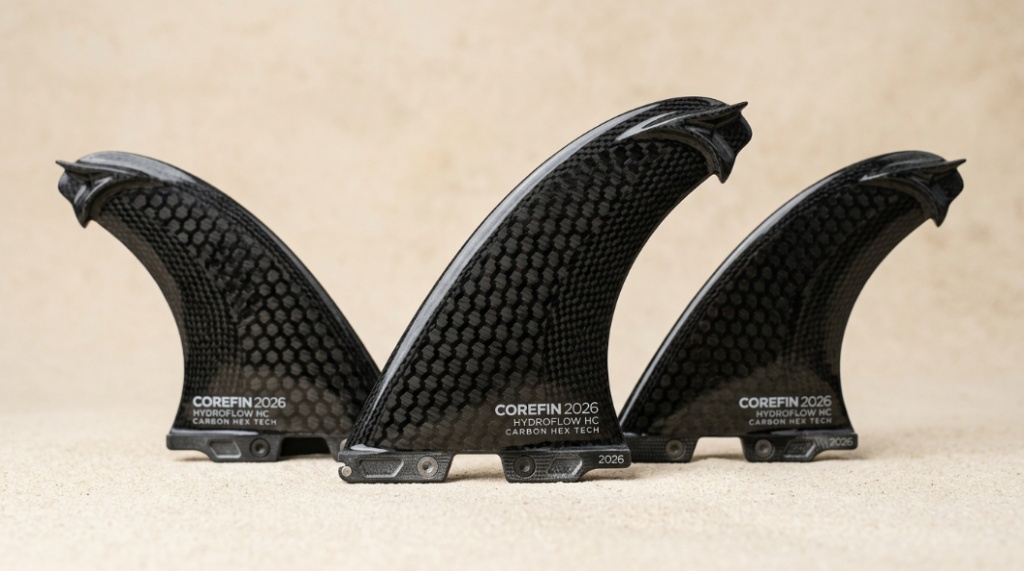
Why Are Modern Surf Fins So Important for Performance?
Modern surf fins directly affect speed, control, turning radius, stability, and energy transfer during surfing.
Many surfers underestimate how much fins influence board behavior. The wrong fin setup can make a premium surfboard feel slow or unstable. The right setup can completely transform performance.
Surf fins work like underwater wings. Their shape, rake, flex pattern, cant angle, and foil determine how water flows around the board. This affects:
- Acceleration
- Drive through turns
- Tail release
- Wave hold
- Pumping efficiency
- Responsiveness
In competitive surfing, these details matter significantly. Modern fin technology now allows surfers to fine-tune equipment with incredible precision.
For example:
- Stiffer carbon fins generate more drive and speed
- Flexible tip fins improve responsiveness and release
- Larger fins increase hold in powerful surf
- Smaller fins improve looseness and maneuverability
Professional surfers often adjust fins before every heat depending on conditions.
What Modern Fin Technology Is Changing Surfing in 2026?
The biggest innovations in 2026 include carbon fiber layups, AI-designed foils, sustainable materials, and interchangeable modular fin systems.
Surf hardware companies are using aerospace-inspired engineering to improve fin performance. Several innovations are now dominating the market.
Carbon Fiber Flex Control
Carbon fiber remains one of the biggest upgrades in pro surf gear. It allows manufacturers to create fins with controlled flex patterns.
Benefits include:
- Faster acceleration
- Improved projection out of turns
- Better responsiveness at high speed
- Reduced energy loss
Many professional surfers prefer carbon-enhanced fins in hollow or powerful waves because they maintain stability under pressure.
AI-Assisted Hydrodynamic Design
Several surf brands now use simulation software and fluid dynamics testing to optimize foil design.
These systems analyze:
- Water turbulence
- Drag reduction
- Lift generation
- Rail transition efficiency
- Speed retention
This approach creates fins with more predictable performance across different conditions.
Eco-Friendly Fin Materials
Sustainability is becoming a major factor in surf manufacturing.
In 2026, many companies are using:
- Bio-resins
- Recycled carbon fibers
- Ocean plastic composites
- Plant-based polymers
These materials reduce environmental impact without sacrificing performance.
Modular Fin Systems
Interchangeable fin systems are more refined than ever. Surfers can quickly swap templates depending on wave conditions.
This flexibility is especially important for:
- Travel surfers
- Competitive surfers
- Wave pool riders
- Performance shortboard users
Which Surf Fin Setups Are Professional Surfers Using Most?
Thruster setups still dominate professional surfing, but quad and twin-plus-trailer configurations are growing in popularity.
Different fin setups create different surfing characteristics.
| Fin Setup | Best For | Main Advantage | Common Use in 2026 |
|---|---|---|---|
| Thruster | All-around performance | Balanced control | Competition surfing |
| Quad | Fast waves and barrels | Maximum speed | Tube riding |
| Twin Fin | Small playful surf | Loose feel | Retro performance |
| Twin + Trailer | Modern hybrids | Blend of speed and control | Progressive surfing |
| Single Fin | Longboarding | Smooth flow | Classic style riding |
Most professional shortboard surfers still rely on thrusters because they provide predictable turning and stability during critical maneuvers.
However, quad setups are increasingly popular in fast barrels because they generate exceptional down-the-line speed.
What Surf Fin Materials Are Pros Choosing in 2026?
Professional surfers are mainly choosing carbon fiber, honeycomb composites, fiberglass blends, and eco-performance materials.
Material choice changes how fins flex and respond during turns.
Carbon Fiber
Carbon fiber fins are extremely popular in modern pro surf gear because they provide explosive drive and stiffness.
Best for:
- Power surfing
- Big waves
- Heavy reef breaks
- Advanced surfers
Honeycomb Construction
Honeycomb fins balance flex and lightweight performance.
Benefits include:
- Smoother feel
- Versatility
- Reduced weight
- Good control in varied conditions
Fiberglass
Traditional fiberglass remains respected because it delivers predictable flex and classic feel.
Many experienced surfers still prefer fiberglass for:
- Point breaks
- Long carving turns
- Stylish surfing
Eco Composite Materials
Sustainable fin construction is rapidly improving. Many eco-performance fins now match conventional performance standards.
How Do Pro Surfers Choose the Right Fin Template?
Professional surfers choose fin templates based on wave type, board dimensions, surfing style, and desired responsiveness.
No single fin works perfectly in every condition.
Large Rake Fins
Large rake fins create long drawn-out turns and extra hold.
Ideal for:
- Point breaks
- Powerful waves
- Open-face carving
Upright Fins
Upright fins pivot faster and feel more responsive.
Best for:
- Beach breaks
- Aerial surfing
- Tight pocket turns
Smaller Templates
Smaller fins reduce drag and increase looseness.
Useful for:
- Small waves
- Lightweight surfers
- Fast maneuverability
Larger Templates
Larger fins improve hold and stability.
Preferred in:
- Big surf
- Heavy barrels
- Powerful conditions
Are Wave Pool Surf Fins Different From Ocean Surf Fins?
Yes. Many surfers now use specialized fin setups for artificial wave pools because wave consistency changes performance demands.
Wave pools create repeatable conditions. This allows surfers to optimize fins more precisely.
Wave pool fins often focus on:
- Maximum speed generation
- Fast release for airs
- Controlled responsiveness
- Consistent rail transitions
Some manufacturers now design wave-pool-specific fin templates with unique foil geometry.
As artificial surf parks expand globally, wave-specific fin tuning is becoming a major part of modern fin technology.
Which Surf Fin Brands Are Leading in 2026?
Several brands dominate the high-performance fin market through innovation, athlete testing, and advanced manufacturing.
Top professional surf fin brands in 2026 include:
- FCS
- Futures Fins
- Captain Fin Co.
- NVS Fin Co.
- True Ames
- Firewire accessories division
These companies invest heavily in:
- Team rider feedback
- Hydrodynamic testing
- Sustainable materials
- Custom templates
- Performance engineering
Professional surfers often collaborate directly with brands to create signature fin models.
Do Expensive Surf Fins Actually Improve Performance?
Yes, premium surf fins can noticeably improve performance, especially for intermediate and advanced surfers.
Cheap fins often use low-quality plastic with inconsistent flex characteristics. This can create:
- Poor speed generation
- Weak drive
- Reduced responsiveness
- Unstable turning
Higher-end fins provide:
- Precision flex
- Better energy transfer
- Improved durability
- Predictable performance
However, skill level still matters. Beginners may notice less difference than experienced surfers.
For advanced surfers, fins can feel as important as the surfboard itself.
What Are the Best Surf Fins for Small Waves in 2026?
The best small-wave surf fins are typically smaller, lighter, and more upright to improve speed and maneuverability.
Small waves require rapid acceleration and easy release.
Popular features include:
- Reduced rake
- Lightweight construction
- Medium flex
- Faster pivot response
Quad setups are also common in weak surf because they generate additional speed without requiring large wave power.
Many surfers pair modern groveler boards with hybrid fin setups for maximum performance in poor conditions.
How Is Modern Fin Technology Influencing Competitive Surfing?
Modern fin technology is helping surfers surf faster, land more progressive maneuvers, and adapt more precisely to conditions.
Competitive surfing continues to evolve rapidly.
In recent years, judges have rewarded:
- Progressive aerials
- High-speed combinations
- Critical rail surfing
- Explosive direction changes
Advanced fin engineering supports these maneuvers by improving responsiveness and projection.
Several professional surfers now travel with dozens of fin combinations during events. Equipment refinement has become a major competitive advantage.
Some surf coaches even analyze fin performance using video review and wave data tracking.
Can Intermediate Surfers Benefit From Pro-Level Surf Fins?
Yes. Intermediate surfers can improve control, confidence, and responsiveness with better fin setups.
Many surfers upgrade boards before upgrading fins, even though fins are usually cheaper and easier to test.
A properly matched fin setup can help intermediate surfers:
- Generate speed more easily
- Improve turning flow
- Increase stability
- Build confidence in steeper waves
Choosing the right fins often depends more on wave conditions and board compatibility than simply buying the most expensive model.
What Should You Look for When Buying Surf Fins in 2026?
The most important factors are fin size, flex pattern, setup compatibility, wave type, and riding style.
Before buying surf fins, consider:
- Your weight
- Your skill level
- Your surfboard type
- Wave conditions
- Preferred surfing style
Key buying tips:
- Choose medium flex for versatility
- Use carbon fins for powerful surf
- Use upright fins for loose surfing
- Match fin system compatibility carefully
- Experiment with templates gradually
Many surf shops now offer demo fin programs because surfers increasingly recognize how important fin choice has become.
Conclusion
The latest surf fins in 2026 are transforming surfing performance through advanced materials, refined hydrodynamics, and wave-specific customization. Modern fin technology now plays a central role in speed generation, responsiveness, stability, and maneuverability.
Professional surfers are using carbon-enhanced templates, AI-designed foils, and modular systems to gain every possible advantage. The trend is clear: surf fins are no longer simple accessories. They are precision performance tools.
For everyday surfers, understanding fin design can dramatically improve wave performance without buying a new board. Whether you surf small beach breaks, heavy barrels, or artificial wave pools, choosing the right fin setup matters.
As pro surf gear continues evolving, expect even more innovation in sustainability, customization, and hydrodynamic efficiency over the next few years.
If you want better speed, cleaner turns, and improved control, upgrading your surf fins may be the smartest equipment change you can make in 2026.
FAQ: Latest Surf Fins in 2026
What are the best surf fins in 2026?
The best surf fins in 2026 depend on your surfing style and wave conditions, but carbon fiber thruster and quad setups remain the most popular among professionals.
Are carbon fiber surf fins worth it?
Yes. Carbon fiber surf fins improve drive, responsiveness, and speed generation, especially in powerful waves and high-performance surfing.
What fin setup do most professional surfers use?
Most professional surfers still use thruster setups because they provide balanced control, speed, and predictability in competition conditions.
Do surf fins really make a difference?
Yes. Surf fins significantly affect speed, turning, hold, and responsiveness. A good fin setup can completely change how a surfboard performs.
What surf fins are best for small waves?
Smaller upright fins and quad setups are often best for small waves because they generate speed and improve maneuverability.
How often should surf fins be replaced?
Surf fins should be replaced if they become cracked, loose, warped, or damaged. High-performance surfers may replace fins more frequently for optimal performance.
Are eco-friendly surf fins good enough for performance surfing?
Yes. Many eco-friendly surf fins now deliver professional-level performance using recycled composites and bio-resin technology.
📌 Related Reads
Discover: Asian-Inspired Wellness Treatments Trending Across Phoenix, AZ in 2026
Explore: How to Find Affordable Golf Watches That Still Deliver Pro-Level Features
No Comments