

07 May Asian-Inspired Wellness Treatments Trending Across Phoenix, AZ in 2026
Phoenix, Arizona continues to lead wellness trends in the Southwest as residents search for natural ways to manage stress, improve sleep, and recover from the region’s dry desert climate. In fact, the Global Wellness Institute reported that the wellness economy surpassed $6 trillion globally, while the spa and holistic treatment sector experienced strong growth entering 2026. Many Phoenix locals now explore eastern healing traditions because these methods combine relaxation with long-term health support. Additionally, interest in traditional asian massage methods has increased as more wellness centers offer customized therapies inspired by Japanese, Thai, Korean, and Chinese practices. This growing movement reflects a shift toward balanced lifestyles that support both physical recovery and emotional wellness.
Why Asian-Inspired Wellness Treatments Are Growing in Phoenix
Phoenix residents deal with unique environmental challenges throughout the year. The intense heat, dry air, and active outdoor culture often lead to dehydration, muscle fatigue, and skin irritation. As a result, people increasingly seek treatments that focus on circulation, hydration, and stress relief. Asian wellness traditions naturally align with these needs because many therapies emphasize balance and full-body recovery. Moreover, local wellness studios now combine ancient practices with modern spa technology to create customized experiences.
Many professionals in Phoenix also face long work hours and digital fatigue. Therefore, wellness treatments that encourage mindfulness and relaxation continue gaining popularity across the city. Eastern-inspired therapies often include breathing exercises, herbal elements, and guided relaxation techniques that reduce mental tension. Furthermore, wellness businesses report growing demand from younger adults who prioritize preventative health care. This shift has encouraged spas and wellness clinics to expand their Asian-inspired treatment menus significantly in 2026.
Tourism also plays a major role in the rise of these wellness services. Visitors traveling to Phoenix frequently book spa experiences to recover from hiking, golfing, or desert excursions. Consequently, hotels and luxury resorts have invested heavily in Asian-inspired wellness programs. Many resorts now offer meditation gardens, hydrotherapy circuits, and herbal treatments influenced by Eastern traditions. These additions help businesses attract wellness-focused travelers seeking unique relaxation experiences.
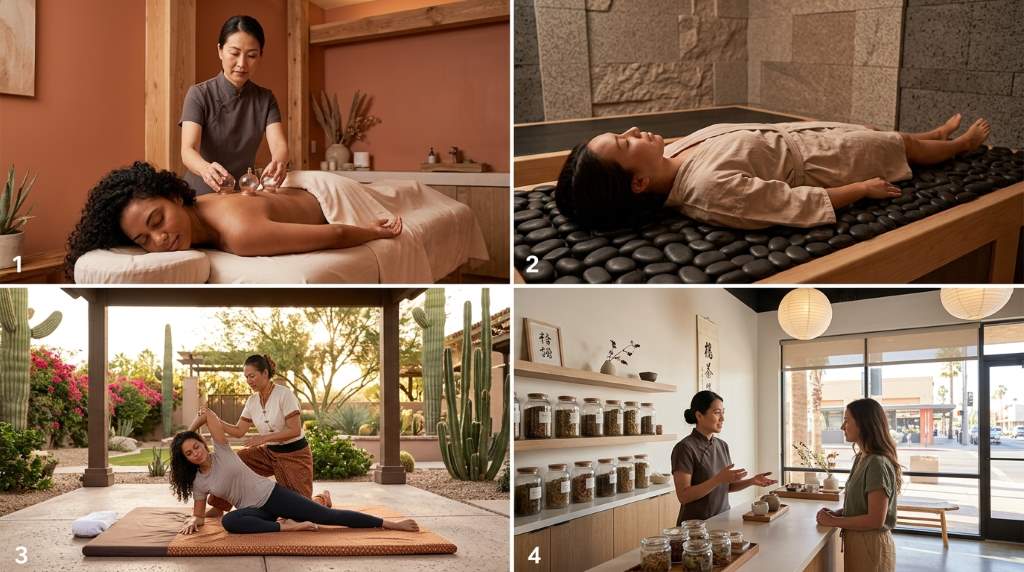
Thai Massage Therapy for Flexibility and Recovery
Why Thai Massage Fits the Phoenix Lifestyle
Thai massage remains one of the most requested wellness treatments in Phoenix during 2026. Unlike standard massage styles, this therapy combines assisted stretching, acupressure, and rhythmic movements to improve flexibility and energy flow. Many active residents appreciate this method because it supports muscle recovery after hiking or gym workouts. Additionally, the treatment works well for people who experience stiffness from desk jobs or long commutes. The therapy usually takes place on a mat rather than a massage table, which creates a more dynamic experience.
Phoenix athletes especially value Thai massage during the hotter months. Extreme heat can cause tight muscles and dehydration, particularly for runners and outdoor fitness enthusiasts. Therefore, wellness practitioners often recommend sessions during summer recovery routines. Many spas also pair Thai massage with cooling herbal compresses to reduce inflammation naturally. This combination helps clients feel refreshed despite Arizona’s intense climate conditions.
Benefits People Notice Most
Clients frequently report several improvements after regular Thai massage sessions, including:
- Better flexibility and posture
- Reduced lower back tension
- Improved circulation
- Increased energy levels
- Faster workout recovery
Moreover, many users appreciate that Thai massage promotes movement rather than passive relaxation alone. This active approach appeals to Phoenix residents who prefer wellness routines that support long-term mobility and physical performance.
Japanese Head Spa Treatments Becoming Mainstream
Japanese head spa treatments have become one of the fastest-growing wellness trends in Phoenix this year. These treatments focus on scalp health, stress reduction, and hair care through deep cleansing and massage techniques. Many people in Arizona struggle with dry scalp conditions because of the desert environment. Consequently, head spa services attract clients seeking hydration and improved scalp circulation. Most sessions combine essential oils, steam therapy, scalp massage, and nutrient-rich products.
The treatment also provides strong mental relaxation benefits. Gentle scalp stimulation encourages stress relief and supports better sleep quality. Furthermore, many wellness centers design calming environments with soft lighting and aromatherapy to enhance the overall experience. Busy professionals often book these treatments after demanding workweeks because they provide mental and physical relaxation simultaneously. As a result, Japanese head spas now appear in both luxury resorts and smaller boutique wellness studios throughout Phoenix.
Many salons have expanded these services by adding personalized scalp analysis technology. Practitioners can now evaluate dryness, oil buildup, and scalp sensitivity before creating customized treatments. This modern approach increases client satisfaction because it addresses specific wellness concerns more accurately. Additionally, customized therapies allow businesses to stand out in Phoenix’s competitive spa market. Consumers increasingly prefer treatments that combine technology with holistic care principles.
Korean Body Scrubs and Hydrotherapy Experiences
The Rise of Korean Spa Culture in Arizona
Korean wellness culture continues gaining attention across Phoenix due to its focus on cleansing and recovery. Korean body scrubs, often called “seshin,” use exfoliation techniques that remove dead skin and improve circulation. This treatment works especially well in Arizona because dry air frequently leaves skin rough and dehydrated. Therefore, many clients schedule body scrub sessions during seasonal weather changes. The results often include smoother skin and improved product absorption afterward.
Hydrotherapy experiences have also become highly popular within Korean-inspired wellness facilities. Many spas include hot pools, cold plunges, steam rooms, and relaxation areas that encourage full-body recovery. Additionally, alternating between hot and cold temperatures may help reduce muscle soreness and improve circulation. These wellness circuits appeal to both athletes and professionals managing chronic stress. Consequently, Korean-inspired wellness centers continue expanding across Phoenix neighborhoods.
Popular Add-On Services
Many Korean wellness spas now offer combination packages that include:
- Herbal steam therapy
- Detox body wraps
- Mineral soaking baths
- Infrared sauna sessions
- Green tea hydration masks
These additions create a more complete wellness experience for guests seeking long-lasting relaxation. Furthermore, bundled services help spas increase customer retention while giving clients better overall value.
Traditional Chinese Wellness Therapies in Modern Clinics
Traditional Chinese wellness methods remain highly respected throughout Phoenix because they focus on balance and preventative care. Acupuncture, cupping therapy, and herbal treatments continue attracting residents seeking natural approaches to pain management and stress relief. Many people choose these services to support recovery from migraines, tension headaches, and chronic muscle discomfort. Moreover, licensed practitioners now operate in both wellness spas and medical clinics across the city. This broader accessibility has helped Eastern wellness methods gain mainstream acceptance.
Cupping therapy has especially gained popularity among fitness enthusiasts and office workers alike. The technique uses suction cups to stimulate blood flow and reduce muscle tightness. Although the temporary circular marks surprise some first-time clients, many users report significant tension relief afterward. Additionally, wellness clinics often combine cupping with acupuncture sessions for more comprehensive results. This integrated approach aligns well with Phoenix consumers who value personalized wellness plans.
Chinese herbal therapy has also evolved in modern wellness settings. Practitioners frequently recommend herbal teas and topical remedies designed for Arizona’s dry climate conditions. These products often support hydration, skin health, and respiratory comfort during dust-heavy seasons. Furthermore, many clinics educate clients about lifestyle habits alongside treatment plans. This educational approach encourages long-term wellness rather than temporary symptom relief alone.
Sound Healing and Meditation Inspired by Eastern Traditions
Sound healing has become increasingly common in Phoenix wellness spaces during 2026. This practice uses instruments such as singing bowls, gongs, and chimes to promote relaxation and mindfulness. Many sessions draw inspiration from Tibetan and other Eastern meditation traditions. Participants often describe the experience as calming and mentally refreshing after stressful workdays. Additionally, guided breathing exercises usually accompany the sound therapy process.
Meditation classes influenced by Buddhist and Zen philosophies have also expanded rapidly. Wellness studios now offer beginner-friendly sessions focused on stress reduction and emotional balance. Many Phoenix residents appreciate these practices because they require minimal equipment and fit easily into busy schedules. Furthermore, meditation supports better sleep quality, which remains important during hot Arizona summers. Consistent mindfulness routines may also improve focus and emotional resilience over time.
Several wellness centers now combine meditation with immersive sensory environments. Soft lighting, aromatherapy, and cooling temperatures create peaceful spaces that contrast with Phoenix’s intense outdoor heat. This carefully designed atmosphere enhances the relaxation process significantly. Consequently, many clients treat sound healing and meditation as regular self-care practices rather than occasional luxuries. The growing demand suggests mindfulness-based wellness will continue expanding across Arizona in the coming years.
Herbal Wellness and Tea Therapy Trends
Herbal wellness therapies inspired by Asian traditions continue growing in popularity across Phoenix. Many wellness centers now serve functional teas designed to support hydration, digestion, and relaxation. This trend works particularly well in Arizona because the hot climate increases the need for proper hydration year-round. Ginger tea, jasmine blends, and herbal cooling drinks remain especially popular among spa visitors. Additionally, many clients appreciate natural wellness options that support daily routines gently.
Tea ceremonies inspired by Japanese and Chinese traditions have also appeared in upscale wellness lounges. These experiences encourage mindfulness while promoting calm social interaction. Many participants enjoy the slower pace because it contrasts sharply with modern digital lifestyles. Furthermore, tea-based wellness programs often include educational elements about ingredients and preparation techniques. This interactive approach creates a more memorable wellness experience for guests.
Herbal compress therapies have become another sought-after treatment option. Practitioners apply warm herbal bundles to sore muscles to reduce stiffness and encourage relaxation. These therapies frequently include ingredients such as lemongrass, turmeric, and eucalyptus for additional benefits. Moreover, the warm compresses feel particularly soothing in air-conditioned indoor environments after spending time outdoors in the desert heat. This combination of comfort and recovery continues attracting wellness-focused consumers throughout Phoenix.
How to Choose the Right Wellness Treatment in Phoenix
Selecting the right wellness treatment depends on individual goals and lifestyle needs. People seeking physical recovery may benefit most from Thai massage, hydrotherapy, or cupping sessions. Meanwhile, those managing stress often prefer meditation classes, sound healing, or Japanese head spa treatments. Understanding personal wellness priorities helps narrow down the best options effectively. Additionally, clients should always choose licensed professionals with strong local reviews and proper certifications.
Phoenix residents should also consider seasonal wellness needs before booking treatments. During summer, hydration-focused therapies and cooling treatments usually provide the most comfort. In contrast, winter months may increase demand for warming herbal therapies and circulation-focused massages. Furthermore, outdoor athletes often schedule treatments around hiking or training routines for maximum recovery support. Timing wellness services strategically can improve long-term results significantly.
Budget and treatment frequency also matter when building a wellness routine. Some clients benefit from monthly maintenance sessions, while others prefer occasional luxury experiences. Many Phoenix wellness centers now offer memberships or bundled packages that reduce overall costs. Additionally, introductory packages allow newcomers to test different services before committing long term. Exploring multiple therapies can help individuals discover which treatments fit their lifestyle best.
Related:
The Unsung Hero: Prioritizing Your Chest Health
How to stay healthy in college?
The Future of Asian-Inspired Wellness in Phoenix
Asian-inspired wellness treatments will likely continue expanding across Phoenix as consumer interest grows. Many wellness businesses already invest in advanced technology and customized therapy programs to meet rising demand. Furthermore, younger generations increasingly value preventative care and holistic wellness approaches. This shift encourages spas and clinics to blend traditional healing methods with modern health science. As a result, Phoenix continues evolving into a major wellness destination in the Southwest.
The city’s climate and active culture also support ongoing demand for restorative therapies. Residents consistently seek treatments that address dehydration, stress, muscle recovery, and mental fatigue. Asian-inspired wellness practices naturally align with these health priorities because they emphasize balance and sustainable self-care. Moreover, wellness tourism continues driving innovation within local resorts and luxury spas. Businesses that provide authentic and personalized experiences will likely lead the market moving forward.
If you want to experience these trending therapies yourself, start by exploring reputable wellness centers in Phoenix that specialize in authentic Eastern-inspired treatments. Schedule a consultation, ask about customized options, and build a routine that supports your long-term health goals. Investing in wellness today can improve both physical comfort and mental clarity throughout the year.
FAQs
What is the most popular Asian-inspired wellness treatment in Phoenix in 2026?
Thai massage remains one of the most requested treatments because it supports flexibility, recovery, and stress relief.
Are Japanese head spa treatments good for dry scalp conditions?
Yes, these treatments help hydrate the scalp and improve circulation, especially in Phoenix’s dry climate.
Do Korean body scrubs help with desert-related dry skin?
Yes, they remove dead skin buildup and improve skin smoothness effectively.
Is sound healing suitable for beginners?
Yes, most sound healing sessions welcome beginners and focus on simple relaxation techniques.
How often should someone book wellness treatments?
Many people benefit from monthly sessions, although frequency depends on personal wellness goals and lifestyle needs.
No Comments