
23 Jul 3/0 vs 4/0 Hooks: Key Differences Every Angler Should Know
Choosing the right hook size can make or break your fishing trip. Many anglers struggle with selecting between similar hook sizes, especially when the numbers seem confusing. Understanding hook sizing helps you catch more fish and reduces lost opportunities on the water. Professional anglers and fishing enthusiasts at Fishing Gear Shops recommend learning these differences before your next fishing adventure.
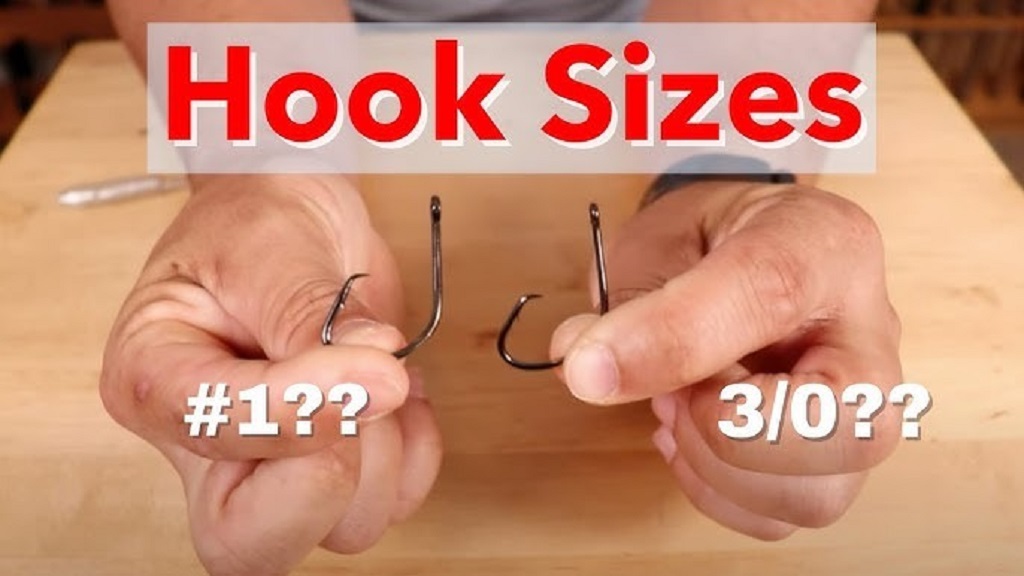
Hook sizes follow a unique numbering system that often confuses beginners. Smaller numbers indicate larger hooks when you see the “/0” designation. Therefore, a 4/0 hook is actually larger than a 3/0 hook. This reverse numbering system originated from traditional wire gauge measurements used in hook manufacturing.
Understanding the difference between 3/0 and 4/0 hook sizes becomes crucial when targeting specific fish species. The size difference affects your bait presentation, hook-setting ability, and overall fishing success. Additionally, choosing the wrong size can result in missed strikes or lost fish.
Physical Dimensions and Specifications

The gap width represents the most noticeable difference between these two hook sizes. A 3/0 hook typically measures approximately 0.65 inches in gap width, while a 4/0 hook measures around 0.75 inches. This seemingly small difference significantly impacts your fishing effectiveness.
Hook length also varies between these sizes. The 3/0 hook measures roughly 1.2 inches from eye to point, whereas the 4/0 extends to about 1.4 inches. These measurements can vary slightly between manufacturers, but the proportional differences remain consistent.
Wire thickness increases with hook size as well. The 4/0 hook uses thicker wire gauge, making it stronger but potentially more visible to fish. However, this increased strength proves essential when fighting larger fish species.
Target Fish Species for Each Size
3/0 Hook Applications
Medium-sized saltwater fish respond well to 3/0 hooks. Redfish, snook, and smaller striped bass commonly fall into this category. These species have mouth sizes that accommodate the 3/0 gap width without being overwhelming.
Freshwater applications include largemouth bass, northern pike, and catfish in the 2-5 pound range. The 3/0 size provides adequate holding power without being too large for these fish to take naturally.
Bait fishing with live minnows, small crabs, or cut bait works exceptionally well with 3/0 hooks. The size allows for proper bait presentation while maintaining strong hookset capabilities.
4/0 Hook Applications
Larger saltwater species require the increased strength and gap width of 4/0 hooks. Tarpon, large striped bass, bull redfish, and smaller sharks benefit from this size. The additional holding power proves crucial when fighting these powerful fish.
Big freshwater predators like muskie, large northern pike, and trophy catfish also warrant 4/0 hooks. These fish possess strong jaws and aggressive fighting styles that demand robust tackle.
Chunk bait fishing, large live baits, and heavy cover fishing situations often call for 4/0 hooks. The increased size handles larger bait presentations and provides better penetration through tough jaw structures.
Bait Compatibility and Presentation
Bait size correlation plays a vital role in hook selection. Smaller baits pair better with 3/0 hooks to maintain natural presentation. Large baits require 4/0 hooks to provide adequate support and proper hook exposure.
Live bait fishing demands careful consideration of hook size relative to bait size. A 3/0 hook works well with 4-6 inch baitfish, while 4/0 hooks accommodate 6-8 inch baitfish more effectively. Proper sizing ensures the bait swims naturally and attracts strikes.
Cut bait presentations also benefit from appropriate hook sizing. Smaller chunks work better on 3/0 hooks, while larger pieces require 4/0 hooks for proper presentation. The hook should support the bait without overwhelming its natural appearance.
Fishing Conditions and Techniques
Structure fishing often determines hook size selection. Heavy cover situations may require 4/0 hooks for their increased strength and better penetration capabilities. Light cover or open water fishing allows for 3/0 hooks without sacrifice in performance.
Current strength affects hook choice as well. Strong currents can pull baits away from fish, making larger 4/0 hooks more visible and potentially less effective. Moderate currents allow for either size depending on target species.
Bottom fishing techniques often favor 4/0 hooks due to their strength and ability to handle larger baits. However, finicky bottom feeders may require the subtlety of 3/0 hooks for consistent strikes.
Hookset Effectiveness and Fighting Fish
Hook penetration differs between these sizes due to point design and wire thickness. The 3/0 hook penetrates easier due to its thinner wire, while the 4/0 requires more force but provides greater holding power once set.
Fighting characteristics change with hook size selection. Smaller hooks may straighten under extreme pressure, while larger hooks maintain their shape but can tear free from soft mouth tissues. Understanding your target species’ mouth structure helps determine the best choice.
According to fishing industry research from Field & Stream, proper hook size selection can improve catch rates by up to 30%. This statistic emphasizes the importance of matching hook size to fishing conditions and target species.
Cost and Availability Considerations
Price differences between 3/0 and 4/0 hooks remain minimal across most brands. However, 4/0 hooks may cost slightly more due to increased material usage. Quality hooks justify their cost through improved performance and durability.
Availability varies by location and supplier. Popular sizes like 3/0 and 4/0 typically remain well-stocked at tackle shops. However, specialized hook styles in these sizes may require advance ordering or online purchasing.
Brand selection affects both price and performance. Premium manufacturers offer superior materials and construction but command higher prices. Budget options work adequately for casual fishing but may lack the strength needed for serious angling.
Making the Right Choice
Consider your primary target species when choosing between 3/0 and 4/0 hooks. Medium-sized fish generally prefer 3/0 hooks, while larger species require 4/0 hooks for optimal results. Multiple hook sizes in your tackle box ensure preparedness for various situations.
Fishing location influences hook selection significantly. Pressured waters with educated fish may require downsizing to 3/0 hooks for better acceptance. Remote areas with aggressive fish can handle 4/0 hooks without reducing strike frequency.
Experience level also plays a role in hook selection. Beginning anglers benefit from starting with 3/0 hooks to develop proper hookset techniques. Advanced anglers can maximize 4/0 hook effectiveness through refined presentation methods.
Read More Also: Best Nail Guns for Every Project: Top Picks and Buying Guide
Conclusion
The difference between 3/0 and 4/0 hooks extends beyond simple size measurements. Gap width, wire thickness, target species compatibility, and fishing applications all factor into making the right choice. The 3/0 hook excels with medium-sized fish and finesse presentations, while the 4/0 hook handles larger species and heavy-duty applications.
Successful anglers carry both sizes and select based on specific fishing conditions. Understanding these differences improves your catch rates and reduces lost fish opportunities. Therefore, invest time in learning proper hook selection to enhance your overall fishing success.
Read More Also: Top Ways to Cover Arms in a Sleeveless Dress for Every Occasion
Frequently Asked Questions
Can I use a 4/0 hook for smaller fish species?
Yes, but it may reduce your catch rate. Smaller fish often struggle to take larger hooks naturally, resulting in fewer strikes. However, 4/0 hooks work when targeting mixed species where larger fish are present.
Do hook brands affect the actual size differences between 3/0 and 4/0?
Yes, slight variations exist between manufacturers. However, the proportional differences remain consistent. Quality brands maintain stricter tolerances, ensuring more predictable sizing across their product lines.
Which hook size works better for surf fishing?
Both sizes work for surf fishing, depending on target species and bait size. Use 3/0 hooks for smaller surf species like whiting or pompano, and 4/0 hooks for larger species like red drum or striped bass.
How does hook size affect my fishing line choice?
Larger hooks generally require stronger fishing line due to increased fighting leverage. Use 15-25 lb line with 3/0 hooks and 20-30 lb line with 4/0 hooks, adjusting based on target species and fishing conditions.
Should I sharpen 3/0 and 4/0 hooks differently?
Hook sharpening techniques remain the same regardless of size. However, larger 4/0 hooks may require more filing strokes to achieve optimal sharpness due to their thicker wire construction. Always maintain the original point angle during sharpening.
No Comments