

22 Sep How Humidity and Temperature Affect Pillow Comfort
You know that feeling—you crawl into bed, lay your head down, and instead of relaxing, you’re already tossing and turning because your pillow feels clammy, overly warm, or somehow both. You might blame the pillow itself, but the real culprit is often the environment around it. The temperature and humidity in your bedroom play a massive role in how comfortable your pillow feels, especially if you’re using natural fills like down and feather. If you’re searching for a solution that handles both warmth and breathability, finding the best california goose feather down pillow is a smart place to start, as this specific fill is known for its ability to regulate temperature. But before you buy, it helps to understand the science of how your sleep environment interacts with your pillow.
Quick Answer
Humidity and temperature directly affect pillow comfort by influencing how much heat and moisture the pillow retains. High humidity makes pillows feel damp, heavy, and less supportive, while high temperatures cause pillows to trap body heat, leading to night sweats. The best solution is choosing a breathable pillow with natural materials like goose down or feather, which wick moisture and allow air circulation, and adjusting your bedroom environment to a cooler, drier climate for optimal sleep.
Key Takeaways
- High humidity makes pillows feel damp and heavy, reducing their loft and support.
- Warm temperatures cause synthetic and memory foam pillows to retain body heat, leading to restless sleep.
- Natural fills like goose down and feather are inherently breathable and better at regulating temperature than synthetic alternatives.
- Adjusting your bedroom to a cooler temperature (around 65°F) and using a dehumidifier can dramatically improve pillow comfort.
- Proper pillow maintenance, including regular fluffing and airing out, helps mitigate the effects of humidity.
The Science of Sleep Temperature and Moisture
Your body temperature naturally drops slightly as you fall asleep and continues to regulate throughout the night. When your pillow traps too much heat or moisture, it disrupts this process, signaling to your brain that something is wrong and making it harder to stay in deep sleep. The material of your pillow determines how well it handles this heat and moisture transfer.
How Humidity Affects Pillow Fill Materials
Humidity is essentially water vapor in the air. When humidity is high, that moisture gets absorbed by your pillow. For down and feather pillows, this is a significant issue because these natural materials are highly absorbent. A down cluster can absorb up to 30% of its weight in moisture without feeling wet to the touch. However, as it absorbs moisture, the down clumps together, losing its loft and support. This makes the pillow feel flat, hard, and uncomfortable.
Synthetic fills like polyester are less absorbent, but they are also less breathable. They trap moisture and heat against your skin, creating a sweaty, uncomfortable sleep surface. Memory foam is even worse in humid conditions, as it is essentially a dense sponge that holds onto both heat and moisture, making it feel like it’s radiating warmth back at you all night.
Temperature and Heat Retention
Temperature affects how your pillow feels in two ways: the ambient room temperature and the heat your body generates. If your room is warm, a pillow that retains heat will make you feel even hotter. Materials like memory foam and gel-infused foams are notorious for this. They conform to your head and neck, but they also trap body heat, making you feel like your head is resting on a heating pad.
In contrast, natural fills like goose down and feathers have a unique structure with millions of tiny air pockets. These pockets trap warm air when it’s cold, but they also allow excess heat to escape when you’re warm. This is why down is celebrated for its temperature-regulating properties—it adapts to your body, keeping you comfortable in both summer and winter.
Why Goose Down and Feather Pillows Excel in Variable Climates
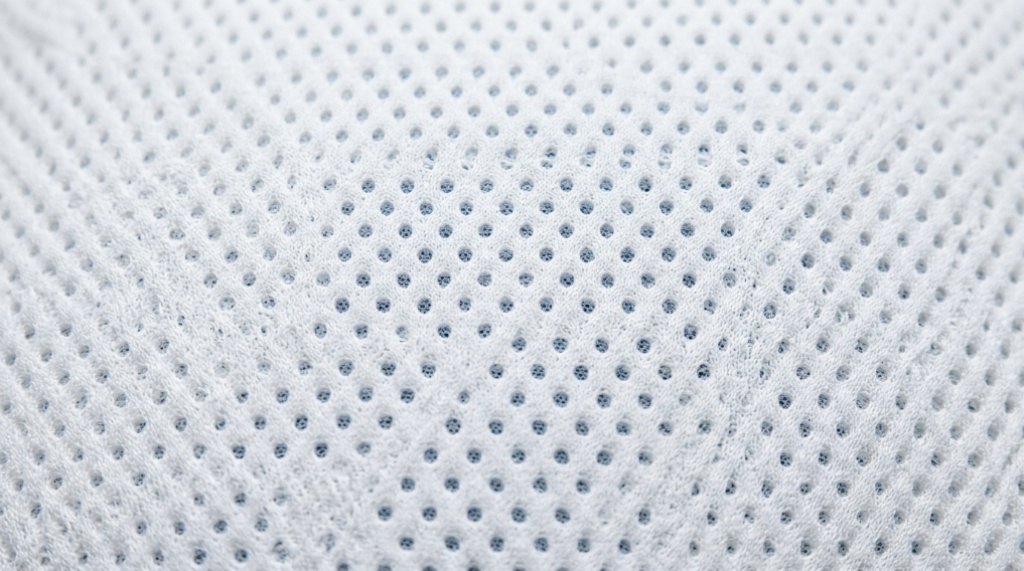
If you live in an area with distinct seasons or high humidity, the type of pillow fill you choose matters more than almost any other factor. Goose down and feather pillows offer a distinct advantage because they are derived from natural materials that are designed to regulate temperature for the bird. This translates directly to your sleep comfort.
The Breathability Advantage
Down clusters are three-dimensional structures with a central core and radiating filaments. This structure creates millions of tiny air spaces that allow for excellent airflow. When your head heats up, the warm air escapes through these spaces, and cooler air is drawn in. This natural ventilation prevents heat from building up around your head, which is a common complaint with synthetic fills, If you are planning an outdoor trip or looking for portable options, check out this guide on memory foam camping pillow vs inflatable.
Moisture Wicking Properties
Feathers and down are naturally coated with a thin layer of oil that repels water. While this doesn’t make the pillow waterproof, it does help it wick moisture away from your skin. Instead of absorbing your sweat and holding it against your face, a down pillow allows the moisture to evaporate through the fabric and into the air. This is a critical feature in humid climates where sweat doesn’t evaporate easily.
Loft and Support in Changing Conditions
One of the downsides of down is that it can lose loft in high humidity. However, high-quality, well-constructed goose down pillows use a higher fill power, which means the down clusters are larger and more resilient. They are better able to maintain their shape and support even when the air is moist. This is why choosing a high-quality option is crucial if you live in a humid area.
Practical Adjustments for Your Sleep Environment
Even with the best pillow, your environment can work against you. Making a few adjustments to your bedroom can significantly improve how your pillow feels and how well you sleep.
Optimizing Bedroom Temperature
The ideal sleeping temperature is generally considered to be between 60°F and 67°F (15°C and 19°C). At this temperature, your body can easily shed excess heat, and your pillow will not feel overly warm. If your room is warmer than this, consider using a fan or adjusting your thermostat. A cooler room also reduces the amount of sweat your body produces, keeping your pillow drier.
Managing Humidity Levels
Ideal indoor humidity levels for sleep are between 30% and 50%. If your home is consistently above this, particularly in summer or in tropical climates, a dehumidifier can be a game-changer. By removing excess moisture from the air, you prevent your pillow from absorbing it. This helps maintain the loft and support of your down pillow and prevents that damp, clammy feeling.
Pillow Maintenance for Humid Climates
Your pillow needs regular care to perform its best. Fluffing your pillow daily helps redistribute the down and maintain its loft. More importantly, airing it out weekly can help release trapped moisture. If you notice your pillow feels flat or damp, place it in a sunny, dry spot for a few hours. The sun’s UV rays also help kill dust mites, which thrive in humid environments.
Comparing Pillow Fills for Hot and Humid Sleepers
To help you understand the trade-offs, here is a comparison of common pillow fills in relation to temperature and humidity.
| Fill Material | Heat Retention | Moisture Management | Best For |
|---|---|---|---|
| Goose Down | Low (Excellent airflow) | Excellent (wicks and evaporates) | All climates, especially variable ones |
| Feather | Low to Moderate | Good (similar to down) | Those who prefer firmer support |
| Synthetic (Polyester) | Moderate to High | Poor (traps moisture) | Budget-conscious, allergy sufferers |
| Memory Foam | High (traps body heat) | Poor (dense, holds moisture) | Those who sleep in cool, dry rooms |
| Latex | Moderate | Good (open-cell structure) | Those who want a cooler foam alternative |
As the table shows, natural fills like down and feather are superior in managing both heat and moisture. While memory foam offers excellent pressure relief, it often comes at the cost of sleeping hot. If you are a hot sleeper or live in a humid area, prioritizing breathability and moisture wicking is more important than contouring support.
Common Mistakes That Ruin Pillow Comfort
Many people unknowingly sabotage their pillow comfort by making a few common mistakes. Avoiding these can make a significant difference.
- Using a waterproof pillow protector: While these protect against spills, they also trap heat and moisture, negating the breathability of your down pillow. Instead, use a breathable cotton or bamboo protector.
- Washing down pillows too often: Washing strips the natural oils from down and can cause it to clump. Wash your down pillow only every 6-12 months, and always dry it thoroughly on a low heat setting with dryer balls to restore loft.
- Ignoring the pillowcase material: A high-quality down pillow is wasted if you use a non-breathable, polyester pillowcase. Choose natural fabrics like cotton or linen, which allow air to circulate.
- Keeping the bedroom too warm: Trying to save on heating costs by keeping the bedroom warm can ruin your sleep. Your body needs to cool down, and a warm room prevents this, making any pillow feel hotter.
Frequently Asked Questions
Why does my pillow feel damp even though I don’t sweat?
This is likely due to high ambient humidity. The moisture in the air is absorbed by your pillow’s fill, especially if it’s down or feather. Even if you aren’t perspiring, the pillow itself is pulling water vapor from the air, making it feel damp and heavy.
Can a down pillow make you sweat?
No, a high-quality down pillow is designed to be breathable and should not make you sweat. It actually helps regulate temperature by allowing heat to escape. If you are sweating, it is more likely due to your room temperature, bedding, or a low-quality down pillow with poor airflow.
What is the best pillow material for hot sleepers?
Goose down and feather are excellent for hot sleepers due to their natural breathability. Latex is another good option as it has an open-cell structure that promotes airflow. Avoid memory foam unless it is specifically designed with cooling gels or phase-change materials.
How does humidity affect a memory foam pillow?
Humidity can make a memory foam pillow feel warmer and more uncomfortable. Memory foam is dense and does not allow for good airflow. In humid conditions, it can also absorb moisture, which can degrade the foam over time and create an environment for mold or mildew.
Should I use a dehumidifier for better sleep?
Yes, if your bedroom humidity is consistently above 50%, a dehumidifier can significantly improve your sleep comfort. It helps keep your pillow and mattress dry, prevents the growth of allergens like dust mites, and makes the air feel cooler, which helps you fall asleep faster.
Conclusion
Understanding the relationship between humidity, temperature, and your pillow is key to getting a good night’s rest. While no pillow can completely overcome a poorly managed sleep environment, choosing a breathable material like goose down or feather gives you the best chance of staying cool and dry. By managing your bedroom’s temperature and humidity, and avoiding common pitfalls like non-breathable protectors, you can maximize the comfort and lifespan of your pillow. The right combination of a quality pillow and a well-regulated environment will make a noticeable difference in how you feel when you wake up.
No Comments