

12 May How to Choose the Best Golf Balls for Mid Handicappers This Year
Most golfers blame their slice on the driver, but many mid-handicap players lose more strokes because they’re playing the wrong golf ball. Choosing the right mid handicap golf ball can improve distance, control, feel, and consistency faster than changing your swing. For many golf balls for average golfers, the ideal option balances forgiveness, greenside spin, durability, and price without demanding tour-level swing speed.
What Are the Best Golf Balls for Mid Handicappers This Year?
The best golf balls for mid handicappers combine moderate spin, soft feel, reliable distance, and forgiveness. Most average golfers perform best with low-to-mid compression balls that reduce sidespin while still offering short-game control.
If your handicap sits between 10 and 20, you likely need a ball that helps straighten drives, maintains ball speed, and still gives enough touch around the greens. Tour-level golf balls can sometimes hurt performance for average swing speeds because they generate excessive spin and require more compression.
According to data from the USGA and multiple golf equipment studies, amateur golfers lose significant strokes from inconsistent tee shots and poor approach control rather than short-game spin alone. That makes ball optimization critical.
For most mid handicappers, the sweet spot includes:
- Mid compression rating
- Lower driver spin
- Moderate greenside control
- Durable urethane or ionomer cover
- Affordable multi-round performance
Why Does Choosing the Right Golf Ball Matter for Average Golfers?
The right golf ball helps average golfers hit straighter shots, gain distance, and improve consistency without changing mechanics.
Many golfers buy whatever is popular on professional tours. That often leads to using high-compression balls designed for swing speeds above 105 mph. Mid handicappers typically swing slower and benefit from easier compression.
Using the wrong golf ball can create:
- Reduced carry distance
- Too much side spin
- Harsh feel on irons
- Less forgiveness on mishits
- Inconsistent putting feedback
A properly matched ball improves energy transfer at impact. That means more efficient ball speed and more predictable flight patterns.
For example, a golfer with a 90 mph driver swing speed often gains better launch conditions using a softer compression ball like the Titleist Tour Soft or Callaway Supersoft instead of a tour-only model.
What Handicap Range Counts as a Mid Handicapper?
A mid handicap golfer usually falls between a 10 and 20 handicap index. These players often break 90 occasionally but still struggle with consistency.
Mid handicappers typically have:
- Moderate swing speed
- Inconsistent ball striking
- Occasional slices or hooks
- Developing short-game control
- Need for forgiveness and feel balance
This group represents a large portion of recreational golfers worldwide. They need equipment that supports improvement without sacrificing playability.
What Features Should You Look for in a Mid Handicap Golf Ball?
The best mid handicap golf ball should offer balanced distance, forgiveness, soft feel, and manageable spin.
How Important Is Compression in Golf Balls?
Compression affects how the ball reacts at impact. Mid handicappers usually benefit from low-to-mid compression golf balls because they compress more easily with average swing speeds.
| Compression Level | Best For | Typical Swing Speed |
|---|---|---|
| Low (30–60) | Beginners & slower swings | Below 85 mph |
| Mid (60–90) | Mid handicappers | 85–100 mph |
| High (90+) | Low handicappers & pros | 100+ mph |
Lower compression often creates:
- Softer feel
- Higher launch
- Reduced vibration
- Better carry distance for average swings
Should Mid Handicappers Use Soft or Firm Golf Balls?
Most mid handicappers benefit from softer golf balls because they improve feel and reduce harsh impact feedback.
Soft golf balls can help with:
- Putting touch
- Short-game confidence
- Reduced driver spin
- Comfortable impact feel
However, extremely soft balls may sacrifice some durability and wedge spin. The ideal middle ground is often a medium-soft construction.
Does Spin Matter for Average Golfers?
Yes, but too much spin hurts more mid handicappers than too little spin.
High-spin golf balls exaggerate slices and hooks. Most average golfers perform better with reduced driver spin while maintaining moderate greenside control.
That balance creates:
- Straighter drives
- More fairways hit
- Predictable iron flight
- Better approach consistency
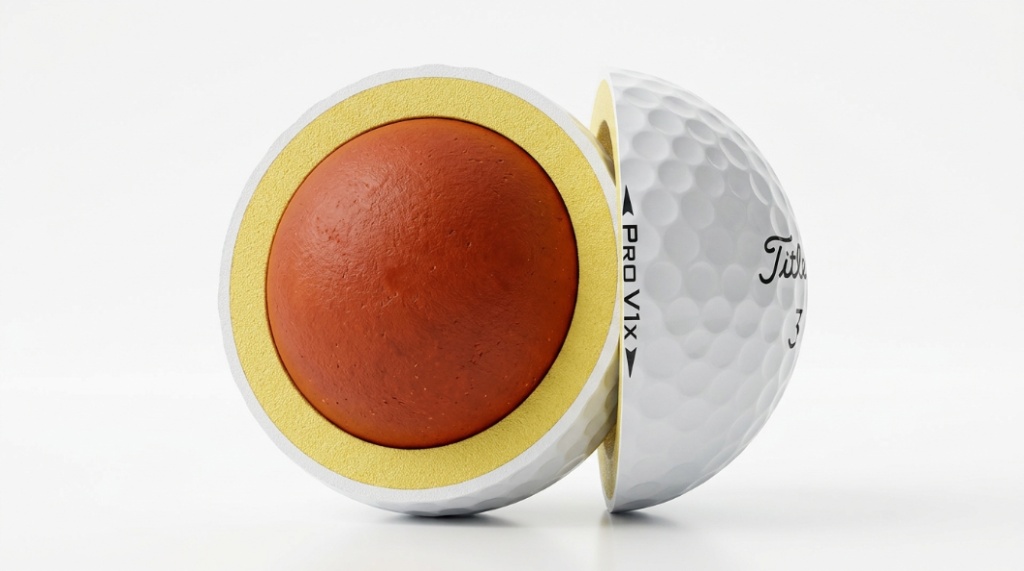
Which Golf Ball Construction Is Best for Mid Handicappers?
Three-piece golf balls usually provide the best mix of distance, feel, and spin control for mid handicappers.
Golf balls generally come in:
- Two-piece construction
- Three-piece construction
- Four or five-piece tour construction
Are Two-Piece Golf Balls Better for Average Golfers?
Two-piece golf balls prioritize forgiveness and distance. They’re ideal for players focused on straighter shots and durability.
Benefits include:
- Lower cost
- High durability
- Reduced spin off the tee
- Longer distance
Examples include:
- Callaway Warbird
- TaylorMade Distance+
- Srixon Soft Feel
Why Do Many Mid Handicappers Prefer Three-Piece Golf Balls?
Three-piece balls provide better control without becoming too demanding for average players.
They offer:
- Balanced spin profile
- Better greenside control
- Softer feel
- Improved shot shaping potential
Popular choices include:
- Titleist AVX
- Bridgestone e12 Contact
- TaylorMade Tour Response
- Vice Pro
What Are the Best Golf Balls for Mid Handicappers This Year?
The best golf balls for average golfers combine value, forgiveness, and all-around performance.
| Golf Ball | Best Feature | Ideal Player Type |
|---|---|---|
| Titleist AVX | Low spin with soft feel | Mid handicap control players |
| Callaway Supersoft | Maximum softness | Slower swing speeds |
| TaylorMade Tour Response | Tour-like feel | Balanced performance seekers |
| Srixon Q-Star Tour | Distance + greenside spin | Improving golfers |
| Bridgestone e12 Contact | Straighter ball flight | Players fighting slices |
| Vice Pro | Premium performance value | Budget-conscious mid handicappers |
Why Is the Titleist AVX Popular Among Mid Handicappers?
The Titleist AVX delivers lower spin and softer feel than the Pro V1, making it more forgiving for average golfers.
Players often notice:
- Lower driver spin
- Penetrating ball flight
- Excellent feel on approach shots
- Consistent putting response
Is the Callaway Supersoft Good for Average Golfers?
Yes. The Callaway Supersoft is one of the most forgiving golf balls for moderate swing speeds.
It works especially well for golfers who:
- Need extra distance
- Prefer softer feel
- Struggle with slices
- Want affordable performance
How Much Should Mid Handicappers Spend on Golf Balls?
Most mid handicappers should spend enough to get consistent quality but avoid overpaying for tour-level features they may not fully use.
A practical range is:
- Budget balls: $20–$30 per dozen
- Mid-tier performance balls: $30–$45 per dozen
- Premium tour balls: $50+ per dozen
For many average golfers, mid-tier balls provide the best value. They offer advanced technology without the ultra-high spin characteristics designed for professionals.
Buying cheaper inconsistent balls can actually increase scoring problems due to unpredictable performance.
Should Mid Handicappers Use the Same Golf Ball Every Round?
Yes. Consistency matters more than constantly switching brands or models.
Using one type of golf ball helps golfers:
- Learn predictable distances
- Understand greenside reactions
- Improve putting feel
- Develop confidence
Many instructors recommend committing to one model for several rounds before evaluating performance.
How Do Swing Speed and Ball Choice Work Together?
Swing speed directly affects compression efficiency, launch angle, and spin rates.
Average golfers usually swing:
- Driver: 85–100 mph
- 7-iron: 70–80 mph
That range generally benefits from mid-compression balls. If compression is too high, golfers lose ball speed and distance because the core doesn’t compress efficiently.
Launch monitor testing repeatedly shows that average golfers often gain more performance from ball fitting than from expensive club upgrades.
Can a Golf Ball Really Reduce a Slice?
A golf ball cannot fix swing mechanics, but low-spin models can reduce slice severity.
Golf balls with lower driver spin help minimize side spin. That creates:
- Straighter drives
- Less curvature
- More fairways hit
- Improved confidence off the tee
Examples of slice-friendly golf balls include:
- Bridgestone e12 Contact
- Callaway ERC Soft
- Titleist Tour Soft
- Srixon Soft Feel
What Mistakes Do Mid Handicappers Make When Choosing Golf Balls?
The biggest mistake is choosing balls based on professional players instead of personal performance needs.
Do Expensive Golf Balls Always Perform Better?
No. Premium balls are designed for elite swing speeds and advanced shot shaping. Average golfers may lose distance and forgiveness using them.
Is Mixing Different Golf Balls a Bad Idea?
Yes. Mixing balls creates inconsistent launch, spin, and feel patterns that make improvement harder.
Should Beginners and Mid Handicappers Use the Same Ball?
Not always. Beginners usually need maximum forgiveness, while mid handicappers often benefit from added control and feel.
How Can You Test Golf Balls Effectively?
The best way to test golf balls is through on-course performance and short-game evaluation.
Focus on:
- Driver distance
- Approach shot stopping power
- Putting feel
- Trajectory consistency
- Durability over multiple rounds
Testing only on the driving range rarely gives the full picture. Real scoring differences appear around the greens and during pressure situations.
Are Premium Direct-to-Consumer Golf Balls Worth It?
Yes, many direct-to-consumer golf brands now offer excellent value for mid handicappers.
Brands like:
- Vice Golf
- Snell Golf
- Kirkland Signature
- Seed Golf
have gained popularity because they deliver premium-style performance at lower prices.
For golfers losing multiple balls per round, these options provide cost-effective consistency.
What Is the Best Overall Strategy for Choosing a Mid Handicap Golf Ball?
The best strategy is matching ball performance to your actual swing speed, shot pattern, and scoring weaknesses.
Most average golfers improve faster when they prioritize:
- Consistency over hype
- Forgiveness over maximum spin
- Reliable feel over tour branding
- Performance fit over marketing claims
A golf ball should support your game, not punish your misses.
Conclusion
Choosing the right golf ball is one of the simplest ways to improve performance without rebuilding your swing. The best mid handicap golf ball delivers balanced distance, forgiveness, feel, and short-game control while matching your swing speed and playing style.
For most golf balls for average golfers, low-to-mid compression models with moderate spin offer the best results. Balls like the Titleist AVX, TaylorMade Tour Response, Srixon Q-Star Tour, and Callaway Supersoft continue to stand out because they help golfers play more consistently across every part of the course.
Instead of chasing tour-level marketing, focus on practical performance. Test a few models, commit to one ball for several rounds, and pay attention to accuracy, approach control, and putting feel. Small equipment changes often create meaningful scoring improvements over time.
If you want lower scores this year, start with the golf ball you put into play on every single shot.
Frequently Asked Questions About Golf Balls for Mid Handicappers
What compression golf ball is best for mid handicappers?
Most mid handicappers perform best with mid-compression golf balls between 60 and 90 compression because they balance distance, feel, and forgiveness.
Should average golfers use Pro V1 golf balls?
Some average golfers can use Pro V1 balls effectively, but many benefit more from lower-spin and softer alternatives that better match moderate swing speeds.
Do softer golf balls go shorter?
Not necessarily. Softer golf balls often produce more distance for slower swing speeds because they compress more efficiently at impact.
How often should mid handicappers change golf balls?
Golf balls should be replaced when they show cuts, cracks, or major scuff marks. Damaged covers can affect spin and flight consistency.
Are expensive golf balls worth it for average golfers?
Premium golf balls can help some players, but many average golfers achieve better value and similar performance from mid-tier options.
Can the wrong golf ball hurt your game?
Yes. Using a ball that creates excessive spin or doesn’t match your swing speed can reduce distance and increase shot inconsistency.
Which golf ball is best for mid handicappers with a slice?
Low-spin balls like the Bridgestone e12 Contact and Callaway ERC Soft can help reduce slice severity and improve accuracy.
No Comments