
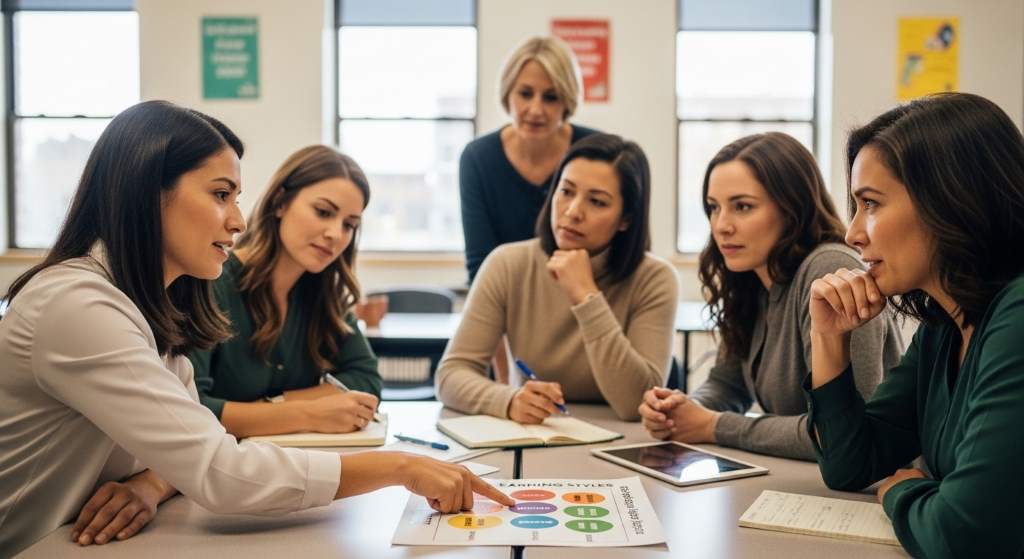
24 May How Denver, CO Teachers Are Supporting Different Learning Styles More Effectively
Teachers across Denver continue to rethink how students learn in modern classrooms. Recent education studies show that nearly 65% of students learn better through visual methods, while many others respond more strongly to hands-on instruction or discussion-based learning. Because of this shift, schools now recognize the problems with one curriculum for all students more clearly than ever before. Educators in Denver, CO have started using flexible strategies that help students feel more included and confident. As a result, classrooms have become more engaging, personalized, and effective for learners with different academic needs.
Denver schools now focus heavily on student-centered learning and classroom adaptability. Teachers understand that every child processes information differently, especially in diverse urban districts. Therefore, many educators combine technology, movement, creativity, and collaboration during lessons. This balanced approach helps students stay focused while improving long-term learning outcomes. Families across the city have also noticed stronger communication and better student motivation.
Why Learning Styles Matter in Denver Classrooms
Students in Denver come from many cultural, economic, and language backgrounds. Because of this diversity, teachers cannot rely on one teaching method for every classroom situation. Instead, schools now encourage flexible instruction that supports visual, auditory, reading, and kinesthetic learners equally. This approach allows students to connect with lessons in ways that feel natural and comfortable. As a result, classrooms become more productive and inclusive for everyone involved.
Technology also plays a major role in personalized education across Denver schools. Many teachers use tablets, interactive screens, and digital assignments to support multiple learning methods at once. In addition, schools educate students about online responsibility through topics like secure your digital identity while using educational platforms safely. This combination of learning flexibility and digital awareness prepares students for modern academic challenges. It also gives teachers more creative freedom during daily instruction.
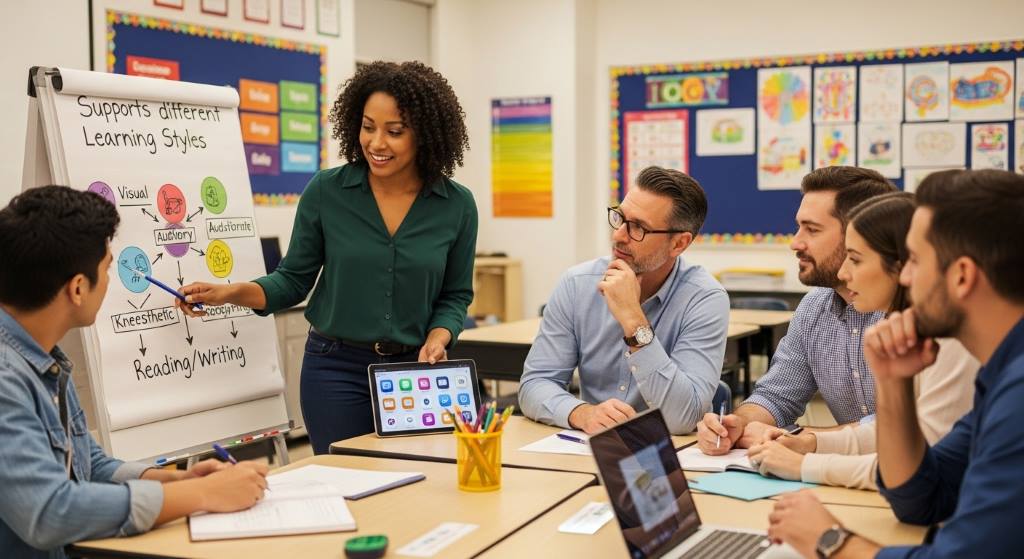
Denver educators often adjust lesson pacing based on student understanding rather than fixed schedules. For example, some classrooms allow extra discussion time for students who process information verbally. Others provide independent reading corners for students who prefer quiet concentration. Teachers also encourage peer collaboration to strengthen social learning skills naturally. These small adjustments help students feel supported instead of pressured.
How Visual Learners Receive Better Support
Visual learners often understand concepts faster when teachers use diagrams, charts, and images during lessons. Denver classrooms now include colorful presentation boards, interactive videos, and digital mapping tools more frequently. Teachers also break large lessons into smaller visual sections to improve concentration. This method reduces confusion and keeps students actively engaged throughout the school day. Consequently, visual learners retain information more effectively.
Science and geography teachers in Denver often use Colorado’s natural landscape as a visual learning resource. Students may study mountain formations, weather patterns, or wildlife habitats through field observations and visual projects. During winter months, teachers also explain snowpack levels and climate effects through charts and local environmental data. These location-specific lessons make learning feel more real and memorable. Students become more curious when they can connect lessons to their surroundings.
Teachers also encourage visual learners to create mind maps and illustrated notes during class activities. This strategy helps students organize information in a simple and structured way. Additionally, many schools allow students to submit presentations instead of traditional written reports in some subjects. That flexibility increases creativity while improving comprehension at the same time. Students often become more confident when they can express ideas visually.
Supporting Auditory Learners Through Communication
Auditory learners perform best when they hear explanations clearly and participate in spoken discussions. Denver teachers now use storytelling, debates, and group conversations more frequently inside classrooms. Many educators also record lessons so students can replay instructions at home later. This method supports students who need extra listening time to understand key ideas. As a result, auditory learners feel less overwhelmed during complex subjects.
Language arts teachers often organize reading circles where students discuss chapters aloud together. This strategy helps students improve vocabulary, listening skills, and emotional understanding simultaneously. In addition, teachers encourage students to explain concepts verbally before writing assignments independently. That extra discussion time strengthens understanding before formal assessments begin. Students usually participate more when conversations feel relaxed and welcoming.
Music and rhythm-based learning have also gained popularity in some Denver elementary schools. Teachers sometimes use songs, clapping patterns, or rhymes to reinforce mathematical formulas and grammar rules. Younger students especially respond well to these memorable teaching techniques. Furthermore, auditory repetition helps many learners improve recall during tests and classroom activities. These methods make education feel more interactive and enjoyable.
Helping Kinesthetic Learners Stay Engaged
Kinesthetic learners often struggle in classrooms that require long periods of sitting still. Because of this challenge, Denver teachers increasingly include movement-based activities throughout the school day. Some classrooms use standing desks, learning stations, or floor-based group projects to encourage physical engagement. Teachers also schedule short movement breaks between lessons to improve focus and energy levels. These changes help active learners stay connected to instruction.
Many schools in Denver use outdoor learning whenever weather conditions allow safe participation. During warmer months, students may complete science experiments, reading activities, or math games outside. Physical activities combined with academic lessons help students absorb information more naturally. Additionally, teachers often discuss future career preparation topics like how employers verify education through interactive classroom exercises and role-playing activities. Students usually remember lessons better when movement becomes part of learning.
Art, drama, and project-based learning also support kinesthetic students effectively across Denver schools. Teachers encourage students to build models, act out historical events, or complete hands-on experiments regularly. These activities improve teamwork while making lessons more memorable and enjoyable. Students who struggle with traditional lectures often perform better during interactive assignments. Therefore, many schools continue expanding experiential learning opportunities.
How Teachers Support Reading and Writing Learners
Some students learn best through reading instructions, taking notes, and completing written assignments independently. Denver teachers now provide multiple reading formats to support these learners more effectively. Students may access printed textbooks, digital reading apps, or audio-supported reading tools based on personal preferences. This flexibility helps students feel more comfortable while improving academic performance steadily. Teachers also monitor reading progress more carefully than before.
Writing-focused learners benefit when teachers provide structured outlines and reflection journals during lessons. Many Denver schools encourage daily writing exercises that help students organize ideas clearly. In addition, teachers offer personalized feedback instead of relying only on final grades. This process helps students improve gradually without feeling discouraged. Strong writing skills also support better communication across all academic subjects.
Libraries and literacy programs continue to play a major role in Denver education as well. Schools frequently host reading challenges, author visits, and peer tutoring sessions for struggling readers. Teachers also recommend books connected to student interests and local community topics. These efforts encourage students to see reading as enjoyable rather than stressful. Consequently, literacy engagement continues growing in many schools.
The Role of Flexible Classroom Design
Modern classroom layouts now support different learning styles more effectively than traditional desk rows. Denver schools increasingly use flexible seating options like bean bags, standing tables, and collaborative workspaces. This setup allows students to choose learning environments that match their comfort levels and attention needs. Teachers also rearrange classrooms depending on lesson goals throughout the week. These small design changes improve classroom participation significantly.
Lighting and noise control have also become important factors in classroom performance. Some students focus better in quiet reading spaces, while others work well in discussion-based settings. Therefore, teachers create separate learning zones inside classrooms whenever possible. Denver schools also use natural lighting and calming color schemes to improve concentration. These environmental details support emotional comfort alongside academic success.
Several Denver educators now include sensory-friendly areas for students who experience stress or overstimulation. These quiet corners may include soft seating, calming visuals, or stress-relief tools. Students can briefly reset before returning to classroom activities more focused and relaxed. Teachers report fewer disruptions when students have healthy ways to manage emotions. This thoughtful approach supports both mental health and learning outcomes.
Teacher Training and Community Involvement
Denver schools continue investing in teacher training programs focused on personalized instruction. Educators attend workshops that explain how different learning styles affect classroom behavior and academic performance. They also learn strategies for adapting lessons quickly without lowering educational standards. This professional development helps teachers feel more prepared for diverse classroom needs. Students benefit from stronger teaching methods across all grade levels.
Parents also play a critical role in supporting learning differences outside school. Many Denver teachers communicate regularly with families through emails, apps, and progress meetings. These conversations help parents understand how children learn best at home and in school settings. Teachers often recommend study techniques that match individual student strengths. Strong family partnerships create more consistent learning experiences overall.
Community organizations in Denver also support personalized education through after-school programs and mentorship opportunities. Some nonprofits offer tutoring focused on creative learning methods and emotional development. Others provide outdoor education programs that connect academic lessons to Colorado’s environment and local culture. These programs give students additional support beyond regular classroom instruction. Communities become stronger when schools and families work together closely.
Unique Approaches Denver Teachers Are Using Today
One uncommon strategy gaining attention in Denver involves weather-responsive teaching methods. Teachers adjust classroom activities based on seasonal energy levels and local climate conditions throughout the year. During snowy months, educators often increase movement activities indoors to maintain student focus. In contrast, warmer seasons allow more outdoor collaboration and environmental learning projects. This climate-aware teaching style feels especially practical in Colorado schools.
Some Denver teachers also use student-led lesson planning to increase engagement and responsibility. Students occasionally help choose project formats, discussion topics, or presentation styles during class units. This method gives learners more ownership over their education while supporting different strengths naturally. Teachers guide the process carefully to maintain educational goals and classroom structure. Students often show stronger motivation when their opinions matter.
Another emerging trend involves cross-grade collaboration between older and younger students. High school students sometimes mentor elementary learners through reading sessions or science activities. Younger students gain confidence while older students strengthen communication and leadership skills. Teachers report that these partnerships improve empathy and classroom behavior across multiple age groups. This community-centered approach creates meaningful learning experiences for everyone involved.
Conclusion
Denver, CO teachers continue proving that personalized education creates stronger classrooms and more confident students. By supporting visual, auditory, kinesthetic, and reading-focused learners equally, schools help students succeed in ways that feel natural and motivating. Flexible teaching methods, climate-aware learning, and stronger community partnerships all contribute to this progress. Parents and educators should continue exploring resources like importance of education to a child to strengthen long-term student growth. Schools that embrace different learning styles today will prepare students more effectively for future success.
FAQs
What are the main learning styles teachers support in Denver schools?
Teachers commonly support visual, auditory, kinesthetic, and reading or writing learning styles.
Why do Denver schools focus on personalized learning?
Personalized learning helps students stay engaged, improve understanding, and build confidence academically.
How does Colorado’s climate affect classroom learning?
Teachers often adjust activities seasonally by using more outdoor learning in warm months and movement indoors during winter.
Do Denver schools use technology to support learning styles?
Yes, many schools use digital tools, recorded lessons, and interactive platforms to support different learners.
How can parents support different learning styles at home?
Parents can use activities that match their child’s strengths, such as visual aids, discussions, or hands-on projects.
No Comments