

12 May How to Secure Your Digital Identity Post-Breach
Imagine waking up to find your email hacked, your social media flooded with spam, or your bank account drained. This happened to me last year when a data breach exposed my login details. My heart sank as I scrambled to regain control. A digital identity breach feels like losing a piece of yourself, but you can fight back. Securing your digital identity post-breach is critical in today’s hyper-connected world, where cybercriminals lurk around every corner. According to a 2024 IBM study, the average data breach costs $4.45 million globally, highlighting the stakes. This blog post will guide you through practical, human-centered steps to reclaim and protect your online presence. Let’s dive into a journey of recovery, resilience, and empowerment.
Understanding the Fallout of a Data Breach
A data breach is like a thief breaking into your digital home. It exposes sensitive information—passwords, emails, or even financial details—to cybercriminals. The aftermath is chaotic: unauthorized transactions, identity theft, or reputational damage. For me, the breach meant hours of resetting accounts and sleepless nights worrying about what else was compromised.
The ripple effects are far-reaching. Cybercriminals can exploit your data for phishing scams or sell it on the dark web. A 2023 Verizon Data Breach Investigations Report found that 74% of breaches involve human error, like weak passwords or clicking malicious links. Recognizing the scope of the damage is the first step. Check for unauthorized activity on your accounts, monitor your credit reports, and stay vigilant for phishing attempts. While you take these precautions, don’t forget to carve out some time to play rog games for a bit of fun and relaxation. Understanding the breach’s impact empowers you to act swiftly and decisively, minimizing further harm while still enjoying your favorite hobbies.
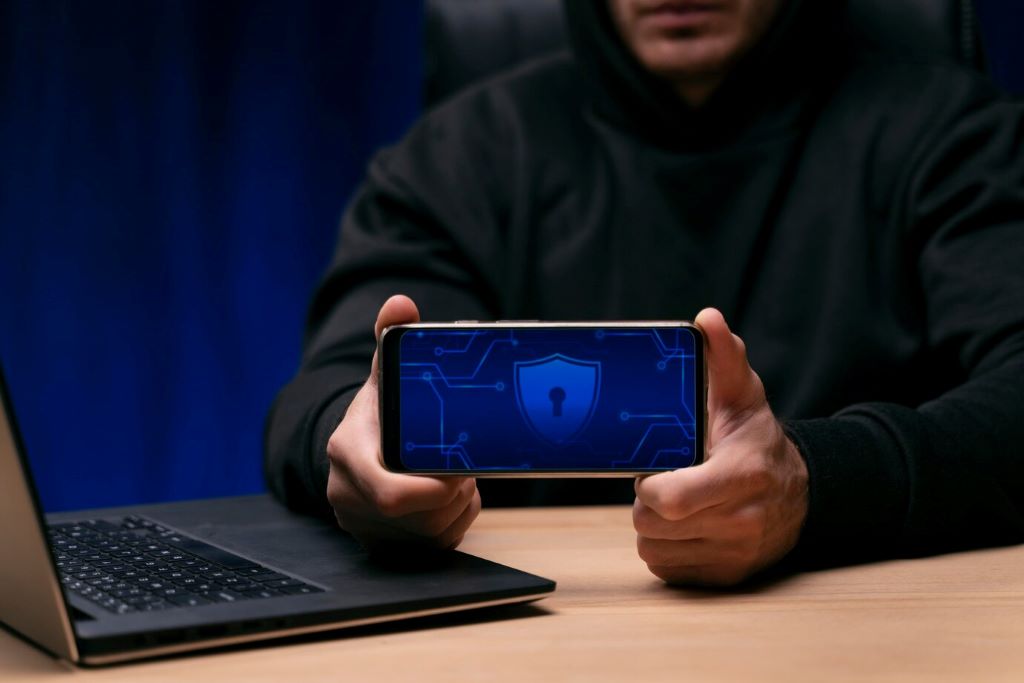
Immediate Steps to Contain the Damage
Time is your enemy after a breach. Acting quickly can limit the damage. When I discovered my breach, I felt overwhelmed but followed a clear plan. Start by identifying compromised accounts. Check your email, banking, and social media for unusual activity. Next, change passwords immediately, prioritizing accounts with sensitive data. Use strong, unique passwords—more on that later.
Freeze your credit with major bureaus like Equifax or Experian to prevent identity theft. Notify your bank or credit card provider about suspicious transactions. Enable two-factor authentication (2FA) on all accounts to add an extra security layer. Additionally, report the breach to the platform or service affected. For example, if your email was hacked, contact the provider’s support team. These steps are like locking your doors after a break-in—they don’t undo the damage but stop further intrusion. Stay calm, methodical, and proactive to regain control.
Creating Strong, Unbreachable Passwords
Weak passwords are a hacker’s best friend. After my breach, I realized my old passwords were embarrassingly simple. Creating strong passwords is your first line of defense. A secure password is at least 12 characters long, mixing letters, numbers, and symbols. Avoid predictable patterns like “Password123” or your birthday.
Consider using a password manager like LastPass or 1Password to generate and store complex passwords. These tools are lifesavers, especially when managing dozens of accounts. Alternatively, create a passphrase—a string of random words like “BlueSky$River9”. It’s easier to remember but tough to crack. Never reuse passwords across platforms; each account needs a unique key. According to a 2024 Google study, 65% of people reuse passwords, making them easy targets. Transitioning to strong, unique passwords significantly reduces your risk. Make this a habit, and you’ll sleep better knowing your accounts are fortified.
Leveraging Two-Factor Authentication for Extra Protection
Two-factor authentication (2FA) is like a deadbolt on your digital door. It requires a second verification step—like a code sent to your phone—beyond your password. After my breach, enabling 2FA on my email and banking apps was a game-changer. Even if a hacker has your password, they can’t get in without that second factor.
Most platforms, from Gmail to Instagram, offer 2FA. Opt for authenticator apps like Google Authenticator over SMS, as texts can be intercepted. Set up 2FA on every account that supports it, especially those with sensitive data. However, don’t rely solely on 2FA; it’s a layer, not a cure-all. Combining it with strong passwords creates a robust defense. The setup takes minutes but offers long-term peace of mind. If I’d used 2FA sooner, my breach might have been less devastating. Don’t wait—enable it today.
Monitoring and Protecting Your Financial Accounts
A breach often targets your wallet. After my incident, I obsessively checked my bank statements for weeks. Monitoring your financial accounts is crucial post-breach. Start by reviewing transactions daily for unauthorized activity. Set up alerts with your bank to notify you of unusual purchases or withdrawals.
Consider enrolling in identity theft protection services like LifeLock, which monitor your credit and alert you to suspicious activity. Freeze your credit to block fraudulent accounts from being opened in your name. Be cautious with phishing emails pretending to be your bank; always verify the sender. Additionally, update payment methods on shopping sites to secure cards. These steps saved me when a hacker tried using my card post-breach. Stay proactive, and you’ll catch issues before they spiral.
Rebuilding Trust in Your Digital Life

A breach shakes your confidence in the digital world. I felt paranoid about every login for months. Rebuilding trust starts with education. Learn to spot phishing emails—hover over links to check their destination. Update your devices with the latest security patches to close vulnerabilities.
Consider using a VPN for secure browsing, especially on public Wi-Fi. Back up important data to an external drive or cloud service with strong encryption. Additionally, review app permissions on your phone or social media; revoke access to unused apps. These habits create a safer digital environment. For me, attending a cybersecurity webinar was eye-opening—it taught me to stay proactive. Rebuilding trust takes time, but each step strengthens your defenses.
Common Mistakes to Avoid Post-Breach
Recovering from a breach is tricky, and mistakes can worsen the situation. Here are pitfalls to dodge:
- Ignoring the breach: Pretending it didn’t happen invites more attacks. Act immediately.
- Reusing old passwords: This is like leaving your door unlocked after a burglary.
- Skipping 2FA: Without it, your accounts remain vulnerable to repeat attacks.
- Falling for phishing scams: Hackers exploit panic with fake emails. Verify before clicking.
- Not monitoring accounts: Delayed detection allows fraud to escalate unnoticed.
- Overlooking software updates: Outdated systems are easy targets for exploits.
- Sharing too much online: Oversharing fuels social engineering attacks.
Avoiding these mistakes keeps you one step ahead of cybercriminals.
Conclusion
Securing your digital identity post-breach is a journey of resilience and action. My breach was a wake-up call, but it taught me to prioritize online safety. By acting quickly, using strong passwords, enabling 2FA, and monitoring accounts, you can reclaim control. The digital world is full of risks, but you’re not powerless. Each step you take builds a stronger, safer online presence. Don’t let a breach define you—let it empower you to protect what matters. Have you faced a breach? Share your story in the comments or pass this article to someone who needs it. Together, we can stay one step ahead of cybercrime.
FAQs
What is a digital identity breach?
A digital identity breach occurs when hackers access your personal data, like passwords or financial details, often through weak security or phishing.
How do I know if my data was breached?
Check for unusual account activity, receive breach notifications from services, or use tools like Have I Been Pwned to verify exposure.
Can I fully recover from a data breach?
Yes, by changing passwords, enabling 2FA, monitoring accounts, and freezing credit, you can minimize damage and secure your identity.
How long does it take to secure my accounts post-breach?
It depends on the breach’s scope, but immediate action—within hours or days—can contain damage. Full recovery may take weeks.
Are password managers safe to use?
Reputable password managers like LastPass or 1Password use strong encryption, making them safe and effective for managing complex passwords.
No Comments