
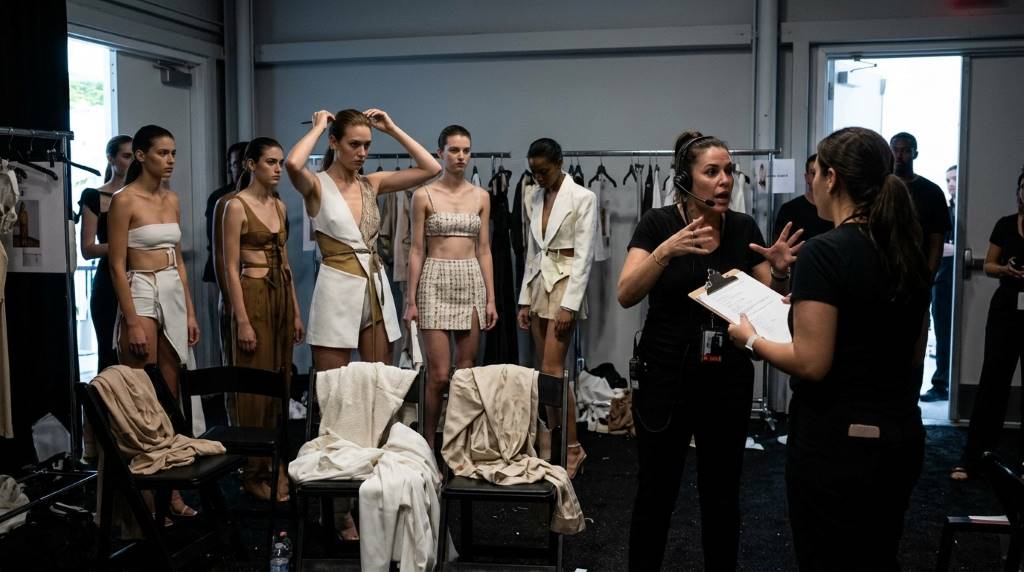
27 Jul Why Miami, FL Fashion Competitions Need Better Coordination
Fashion competitions create exciting opportunities for designers, models, stylists, and creative professionals. However, poor planning often reduces their overall impact and participant satisfaction. Recent industry reports suggest that event attendance continues growing while logistical challenges remain common across fashion events. Better runway competition management helps organizers improve scheduling, communication, and audience experiences. Strong coordination also encourages returning participants while strengthening local fashion communities.
Why Event Coordination Shapes Competition Success
Successful fashion competitions depend on detailed planning before the first model reaches the runway. Every department must understand schedules, responsibilities, and contingency plans. Organizers often study successful industries for operational inspiration, including latest surf fins content that highlights preparation, precision, and continuous performance improvements.
Clear communication reduces confusion among contestants, judges, photographers, sponsors, and production teams. Therefore, every timeline should include realistic preparation windows. Consistent updates also prevent unnecessary delays during important competition moments.
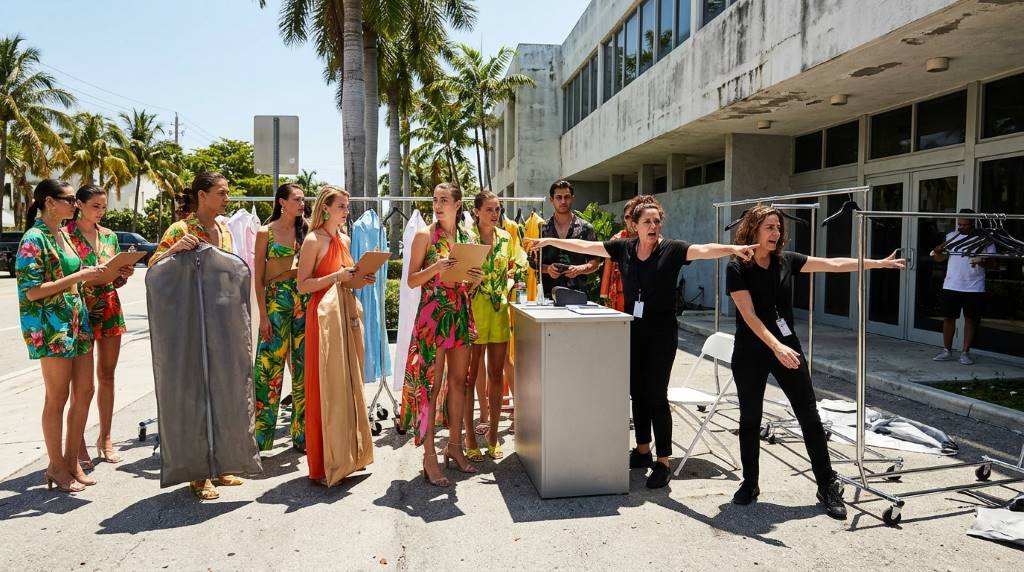
Key Coordination Areas
- Backstage scheduling
- Model lineup management
- Designer preparation timing
- Judge communication
- Audience seating plans
- Vendor coordination
- Media access control
- Emergency response planning
Common Coordination Problems During Fashion Competitions
Many competitions experience avoidable issues because planning starts too late. Small communication gaps quickly become larger operational problems. Likewise, poor documentation creates confusion when schedules change unexpectedly.
Registration errors frequently affect contestant confidence before judging even begins. Some participants receive incorrect rehearsal times or missing event information. Consequently, organizers lose valuable time resolving preventable administrative mistakes.
Backstage congestion creates additional stress for designers and makeup teams. Equipment placement often blocks movement between preparation stations. Better workflow planning helps everyone complete tasks without unnecessary interruptions.
Technology failures also interrupt otherwise successful competitions. Audio systems, lighting controls, and presentation software require advance testing. Backup equipment should remain available throughout every competition day.
Better Team Communication Improves Every Stage
Effective communication connects every department before, during, and after the competition. Shared planning documents help everyone track responsibilities without confusion. Event professionals can even learn collaboration strategies from educational resources discussing Denver teachers support approaches that emphasize organized communication and teamwork.
Regular planning meetings identify risks before they affect contestants or audiences. Furthermore, written updates reduce misunderstandings between production staff and volunteers. Everyone benefits from consistent information throughout the event.
Communication Best Practices
- Create one master event schedule
- Assign clear department leaders
- Share emergency contact lists
- Use real time messaging tools
- Confirm every schedule update immediately
- Conduct final team briefings before opening
Creating a Better Experience for Participants and Guests
Every participant deserves a professional and organized competition environment. Positive experiences encourage future participation and stronger community engagement. Event organizers often improve guest experiences by studying hospitality industries, including guides covering Sonoma CA wine tasting events that focus on seamless visitor journeys.
Contestants appreciate clear instructions before arriving at the venue. Digital checklists simplify preparation while reducing unnecessary questions. Organized arrivals also improve registration efficiency.
Audience satisfaction depends on comfort, visibility, and punctual scheduling. Long delays reduce excitement and engagement throughout the competition. Better coordination keeps every presentation moving smoothly.
Sponsors also notice professional organization during every event activity. Well managed competitions create stronger business relationships and future sponsorship opportunities. Consistent professionalism builds lasting credibility.
Technology Can Simplify Fashion Competition Management
Modern event software reduces manual administrative work across multiple departments. Registration systems automatically organize contestant information and schedules. Digital dashboards also simplify last minute updates.
Mobile communication platforms improve coordination between backstage staff and production managers. Instant notifications help teams respond quickly to schedule adjustments. Faster communication minimizes unnecessary downtime.
Digital judging systems also improve scoring accuracy and transparency. Judges submit results immediately without paper forms. Organizers receive faster calculations and easier reporting.
Helpful Technology Tools
- Online registration platforms
- Digital scheduling software
- Cloud document sharing
- Mobile communication applications
- Electronic judging systems
- Live event dashboards
Building Long Term Trust Through Better Organization
Well coordinated competitions strengthen reputations across the fashion industry. Designers recommend organized events to other creative professionals. Positive experiences naturally increase future registrations.
Reliable scheduling demonstrates respect for participant time and preparation efforts. Every successful event creates stronger confidence among sponsors and attendees. Consistency remains one of the strongest competitive advantages.
Post event reviews also support continuous improvement. Teams should document successful strategies and remaining challenges. Future competitions become stronger when organizers learn from every experience.
Practical Steps Organizers Can Take Today
Organizers should begin planning several months before competition dates. Early preparation creates flexibility when unexpected challenges appear. Strong planning also improves vendor coordination.
Each department should receive written responsibilities before rehearsals begin. Team leaders must review every workflow together before event day. Shared accountability produces better overall execution.
Finally, participant feedback should guide future improvements after every competition. Honest evaluations reveal overlooked issues that planning teams can address. Continuous refinement creates stronger fashion competitions each year.
Conclusion
Fashion competitions thrive when organizers prioritize communication, planning, technology, and participant experiences. Better coordination creates smoother events while strengthening industry credibility. Every improvement benefits contestants, audiences, sponsors, and production teams alike. Start reviewing your current event processes today and build fashion competitions that consistently deliver professional, memorable experiences.
Frequently Asked Questions
Why is coordination important for fashion competitions?
Good coordination prevents delays, improves communication, and creates a better experience for everyone involved.
What causes the biggest event management problems?
Poor communication, unclear schedules, and limited preparation usually create the most common challenges.
How can technology improve fashion competitions?
Technology simplifies scheduling, registration, communication, judging, and overall event management.
Why should organizers collect participant feedback?
Feedback identifies weaknesses and helps improve future competitions.
How does better organization attract sponsors?
Professional events increase sponsor confidence and encourage long term business relationships.
No Comments