

01 Feb Glute Activation Exercises at Home: Wake Up Your Glutes
Unlock your power potential with effective glute activation exercises you can do right at home. In today’s world of prolonged sitting and sedentary lifestyles, many people suffer from weak and inactive glutes, often referred to as “gluteal amnesia.” This condition can lead to various issues, including lower back pain, hip pain, knee pain, and decreased athletic performance. Fortunately, you can combat this modern-day malady with targeted glute activation exercises. This comprehensive guide will provide you with a collection of effective exercises, their benefits, and how to incorporate them into your daily routine, all from the comfort of your home.
Why Glute Activation is Essential
Before diving into the exercises, let’s understand why glute activation is crucial. Your glutes, comprising the gluteus maximus, gluteus medius, and gluteus minimus, are the largest and most powerful muscle group in your body. They play a vital role in:
- Hip extension: Propelling you forward during activities like walking, running, and jumping.
- Hip abduction: Moving your leg away from your body’s midline, crucial for stability and preventing knee collapse.
- Hip external rotation: Rotating your leg outward, essential for proper hip alignment.
When your glutes are weak or inactive, other muscles, like your hamstrings and lower back, compensate, leading to imbalances, tightness, and potential injuries. Glute activation exercises help “wake up” these muscles, improving their function and overall strength.
Benefits of Glute Activation Exercises
Incorporating glute activation exercises into your fitness routine offers a plethora of benefits, but does stretching make you taller? Discover the connection!:
- Enhanced athletic performance: Stronger glutes translate to increased power and speed in sports and activities like running, jumping, and squatting.
- Injury prevention: Activating your glutes helps stabilize your hips and knees, reducing the risk of injuries.
- Improved posture: Strong glutes contribute to better posture by aligning your pelvis and spine.
- Reduced pain: Glute activation can alleviate lower back pain, hip pain, and knee pain caused by weak or inactive glutes.
- Enhanced aesthetics: Well-developed glutes contribute to a toned and sculpted physique.
Glute Activation Exercises at Home
Here’s a selection of effective glute activation exercises you can perform at home with minimal or no equipment:
-
Glute Bridge:
- Lie on your back with knees bent and feet flat on the floor, hip-width apart.
- Engage your core and squeeze your glutes as you lift your hips off 1 the floor.
- Your body should form a straight line from shoulders to knees.
- Hold for a few seconds, then slowly lower your hips back down.
- Repeat for 10-15 repetitions.
-
Hip Thrust:
- Sit on the floor with your upper back resting against a stable surface, such as a couch or bench.
- Place your feet flat on the floor, hip-width apart.
- Drive through your heels and squeeze your glutes to lift your hips off the floor.
- Your body should create a straight line from shoulders to knees.
- Hold for a few seconds, then slowly lower your hips back down.
- Repeat for 10–15 repetitions.
-
Clamshell:
- Lie on your side with knees bent at a 90-degree angle and hips stacked.
- Keeping your feet together, lift your top knee open like a clamshell, engaging your glutes.
- Hold for a few seconds, then slowly lower your knee back down.
- Repeat for 10-15 repetitions on each side.
-
Donkey Kicks:
- Start on your hands and knees, with your wrists under your shoulders and knees under your hips.
- Keeping your core engaged and your back flat, lift one leg back and up, keeping your knee bent at a 90-degree angle.
- Squeeze your glutes at the top of the movement.
- Hold for a few seconds, then slowly lower your leg back down.
- Repeat for 10-15 repetitions on each side.
-
Fire Hydrants:
- Start on your hands and knees, with your wrists under your shoulders and knees under your hips.
- Keeping your core engaged and your back flat, lift one leg out to the side, keeping your knee bent at a 90-degree angle.
- Hold for a few seconds, then slowly lower your leg back down.
- Repeat for 10-15 repetitions on each side.
-
Single-Leg Glute Bridge:
- Lie on your back with knees bent and feet flat on the floor, hip-width apart.
- Extend one leg straight out.
- Engage your core and squeeze your glutes as you lift your hips off the floor, keeping your extended leg straight.
- Hold for a few seconds, then slowly lower your hips back down.
- Repeat for 10-15 repetitions on each side.
-
Side-Lying Hip Abduction:
- Lie on your side with your legs extended straight and stacked on top of each other.
- Keeping your core engaged, lift your top leg up towards the ceiling, keeping it straight.
- Hold for a few seconds, then slowly lower your leg back down.
- Repeat for 10-15 repetitions on each side.
-
Standing Glute Squeeze:
- Stand with your feet hip-width apart.
- Squeeze your glutes as hard as you can, hold for a few seconds, then release.
- Repeat for 10-15 repetitions.
-
Walking Lunges:
- Stand with your feet hip-width apart.
- Take a step forward with one leg, bending both knees to 90 degrees.
- Push off with your front foot to return to standing, then repeat with the other leg.
- Continue alternating legs for 10-15 repetitions per leg.
-
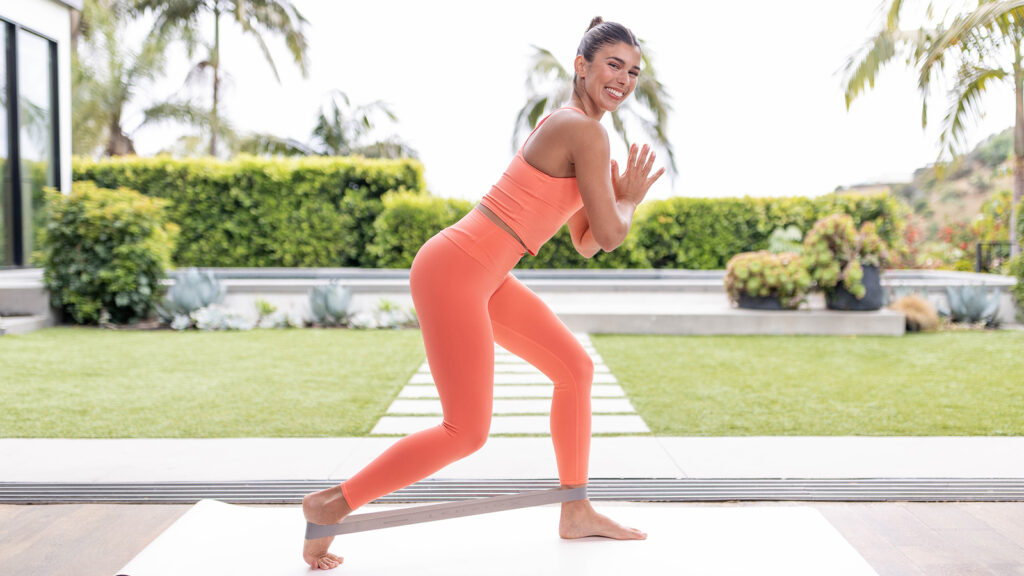
Monster Walks:
- Place a resistance band around your ankles or thighs.
- Stand with your feet hip-width apart, slightly bent at the knees.
- Step to the side, keeping tension on the band, then bring your other foot in.
- Continue stepping sideways for 10-15 repetitions in each direction.
Reviews of Glute Activation Exercises
Many individuals have experienced positive results from incorporating glute activation exercises into their routines. Here are some common observations:
- Improved athletic performance: Athletes report increased power and speed in their respective sports.
- Reduced pain: Individuals with lower back pain, hip pain, or knee pain often find relief through glute activation.
- Enhanced aesthetics: Many people notice a more toned and sculpted appearance in their glutes and legs.
- Increased body awareness: Glute activation exercises promote a better mind-muscle connection, leading to increased awareness of glute engagement during other activities.
Pros and Cons of Glute Activation Exercises
Pros:
- Can be performed at home with minimal or no equipment.
- Requires minimal time commitment.
- Offers numerous benefits, including improved athletic performance, injury prevention, pain reduction, and enhanced aesthetics.
- Suitable for individuals of all fitness levels.
Cons:
- May require patience and consistency to see results.
- Some exercises may be challenging for beginners.
- It’s essential to perform the exercises with proper form to avoid injuries.
Frequently Asked Questions (FAQ)
1. How frequently should I do glute activation exercises?
Ideally, aim to incorporate glute activation exercises into your routine 2-3 times per week. You can perform them as a warm-up before your workouts or as a standalone routine.
2. How long does it take to see results from glute activation exercises?
The time it takes to see results varies depending on individual factors such as consistency, diet, and overall fitness level. However, many people start to notice improvements in glute activation and strength within a few weeks.
3. Can I do glute activation exercises if I have an injury?
If you have any injuries, it’s crucial to consult with a healthcare professional or physical therapist before starting any new exercise program, including glute activation exercises.
4. What are some signs of weak glutes?
Common signs of weak glutes include lower back pain, hip pain, knee pain, difficulty with activities like climbing stairs or standing up from a chair, and a tendency for your knees to cave inward during squats or lunges.
5. Can I use weights for glute activation exercises?
Yes, you can add weight to some glute activation exercises, such as hip thrusts and glute bridges, to increase the challenge and further strengthen your glutes. However, it’s essential to start with lighter weights and gradually increase as you get stronger.
Conclusion
Incorporating glute activation exercises into your fitness routine is a simple yet effective way to unlock your power potential, improve your overall health, and enhance your physique. By dedicating just a few minutes each day to these exercises, you can “wake up” your glutes, improve their function, and reap the numerous benefits they offer. So, start activating your glutes today and experience the difference!
No Comments