
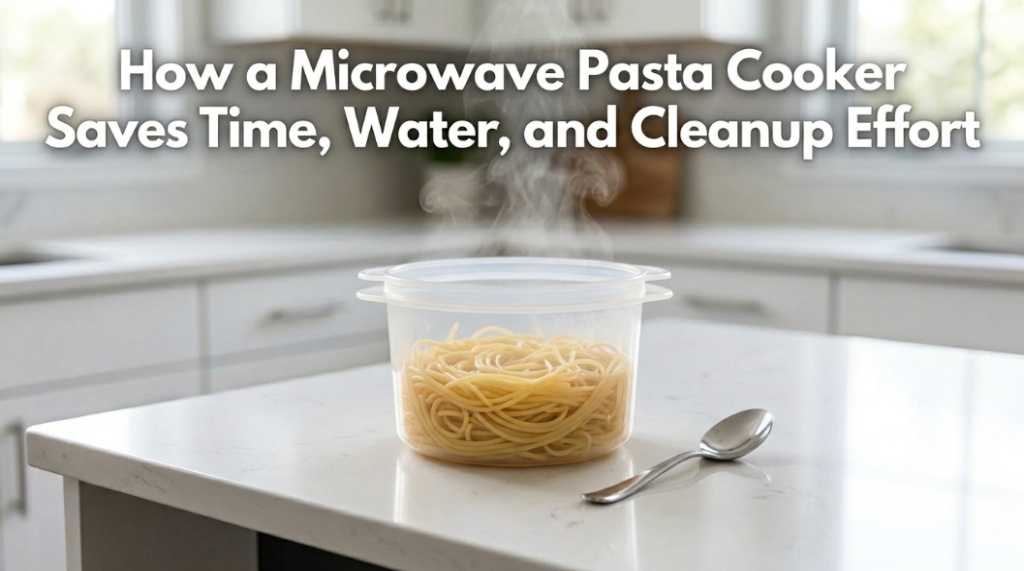
21 May How a Microwave Pasta Cooker Saves Time, Water, and Cleanup Effort
At 8:17 p.m., when a pot of water is still waiting to boil and dinner feels farther away than your next deadline, a microwave pasta cooker quietly solves the problem. The biggest advantage of a microwave pasta cooker is simple: it helps save time cooking by reducing preparation, using less water, minimizing cleanup, and delivering consistently cooked pasta without watching a stovetop. For busy households, students, office workers, and anyone seeking energy-efficient cooking, it offers a practical alternative to traditional boiling methods.
What Is a Microwave Pasta Cooker and Why Is It Becoming So Popular?
A microwave pasta cooker is a specially designed container that cooks pasta directly in the microwave using measured water and controlled steam circulation.
Unlike traditional cooking methods that require a large pot, a burner, and constant monitoring, microwave pasta cookers simplify the process into a single container. You add pasta, pour in water, place the lid on, and microwave according to instructions.
The growing popularity comes from convenience. Modern consumers want meals that fit busy schedules without sacrificing quality. Students in dorms, remote workers, apartment dwellers, and families increasingly choose microwave-friendly kitchen tools because they reduce effort while maintaining reliable results.
For anyone researching the best microwave pasta cooker for everyday meal preparation, understanding these benefits helps explain why demand continues to grow.
Key features typically include:
- Heat-resistant BPA-free construction
- Built-in water measurement guides
- Drainage lids or strainers
- Steam circulation design
- Dishwasher-safe materials
- Compact storage footprint
These features eliminate many steps associated with traditional pasta preparation.
How Does a Microwave Pasta Cooker Save Time Cooking?
A microwave pasta cooker saves time by eliminating lengthy water boiling, reducing preparation steps, and combining cooking and draining into one container.
Traditional pasta preparation usually involves filling a large pot, waiting for water to boil, adding pasta, monitoring cooking progress, draining water, and cleaning multiple utensils. Each step adds minutes to the overall process.
With a microwave pasta cooker:
- No stovetop preheating is required
- Less water reaches cooking temperature faster
- No continuous monitoring is necessary
- Cooking and draining occur in one vessel
- Fewer kitchen tools are involved
For example, boiling a large pot of water often takes 8–12 minutes before pasta cooking even begins. Microwave cooking starts immediately because the appliance heats water directly within the container.
People preparing lunch during work breaks often appreciate the simplicity. Add ingredients, set the timer, continue working, and return when cooking is complete.
If you also prepare homemade pasta, understanding effective pasta drying methods without specialized equipment can complement a streamlined pasta-making routine.
Can You Cook Pasta Faster Than Traditional Boiling?
In many situations, yes. Total preparation time is often shorter because microwave cooking removes the waiting period associated with bringing a large volume of water to a rolling boil.
While exact timing varies based on microwave wattage, pasta shape, and portion size, many users report saving several minutes per meal.
How Does a Microwave Pasta Cooker Use Less Water?
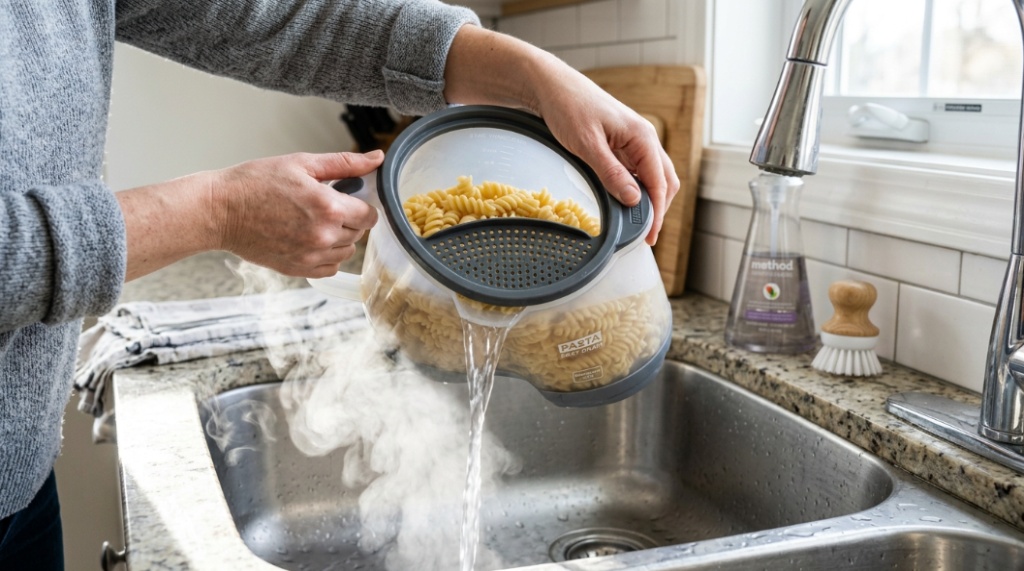
A microwave pasta cooker requires significantly less water because it cooks pasta in a confined environment that retains heat and moisture efficiently.
Traditional pasta cooking often uses four to six quarts of water for a standard batch. Most microwave pasta cookers require only enough water to cover the pasta.
This reduction offers multiple benefits:
- Lower water consumption
- Faster heating times
- Reduced energy demand
- Easier draining
- Less steam released into the kitchen
Water conservation has become increasingly important worldwide. Although saving a few liters per meal may seem small, frequent pasta consumption can create meaningful long-term reductions in household water usage.
For families preparing pasta multiple times per week, the cumulative savings become noticeable over months and years.
Does Less Water Affect Pasta Quality?
No, provided the cooker is used correctly and recommended water levels are followed.
Modern microwave pasta cookers are engineered to maintain adequate hydration during cooking. Proper steam retention and water distribution allow pasta to absorb moisture evenly while achieving the desired texture.
Why Is Microwave Pasta Cooking Considered Energy Efficient Cooking?
Microwave pasta cookers support energy efficient cooking because microwaves heat food and water directly rather than heating an entire burner and cookware system.
Energy efficiency depends on transferring as much energy as possible into food rather than losing it to the surrounding environment.
Traditional stovetop cooking creates heat loss through:
- Burner surfaces
- Escaping steam
- Kitchen air
- Pot exterior surfaces
Microwave ovens concentrate energy within the cooking chamber and directly excite water molecules, reducing waste.
| Factor | Traditional Boiling | Microwave Pasta Cooker |
|---|---|---|
| Water Required | High | Low |
| Preheating Time | Required | Minimal |
| Kitchen Heat Output | Higher | Lower |
| Energy Waste | More Heat Loss | Reduced Heat Loss |
| Cooking Vessel Count | Multiple | Single |
Research from energy-efficiency organizations consistently shows that microwaves can consume less energy than conventional cooking methods for smaller food portions because they shorten cooking duration and reduce unnecessary heat generation.
This advantage becomes especially valuable during warmer months when homeowners want to avoid heating the kitchen.
Can a Microwave Pasta Cooker Lower Utility Costs?
While savings vary by household usage, regularly replacing stovetop cooking with microwave preparation can contribute to lower energy consumption over time.
Individual meals may save only a small amount, but frequent use throughout the year can add up.
How Does a Microwave Pasta Cooker Reduce Cleanup Effort?
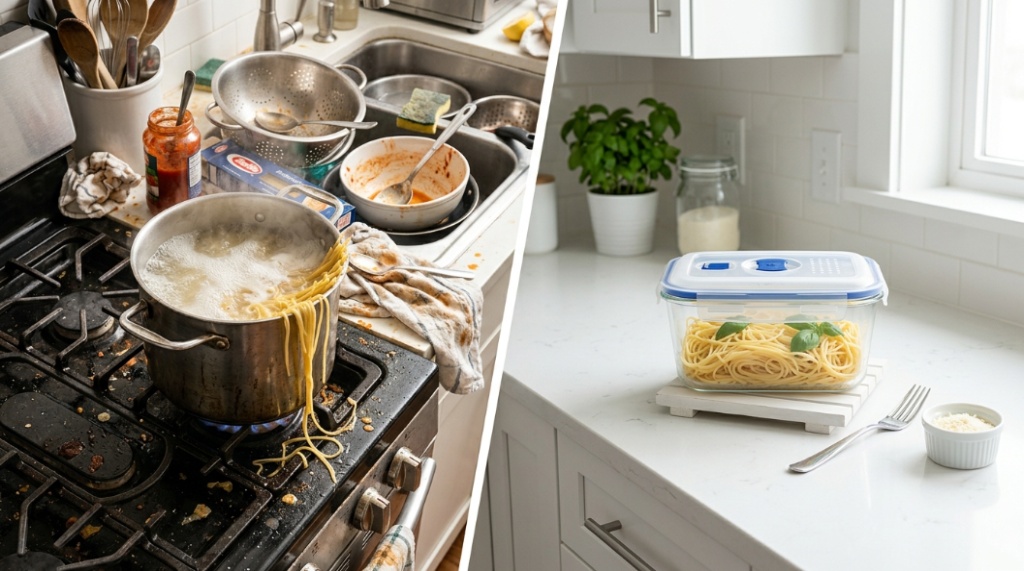
A microwave pasta cooker reduces cleanup because cooking, draining, and serving often happen within the same container.
Traditional pasta preparation commonly requires:
- Large cooking pot
- Colander
- Mixing spoon
- Serving bowl
- Stovetop cleaning
Every additional item creates more washing afterward.
Microwave pasta cookers simplify the workflow by consolidating tasks into one piece of cookware. Many models feature integrated strainers that allow water removal without transferring pasta to a separate colander.
Benefits include:
- Fewer dishes
- Less sink clutter
- Reduced cleanup time
- Lower water usage during washing
- Convenient dishwasher compatibility
Busy parents often identify cleanup reduction as one of the most valuable advantages because post-dinner maintenance becomes much faster.
People who enjoy experimenting with pasta preparation may also find value in learning about tools such as a Marcato electric pasta maker for fresh homemade noodles, which pairs well with efficient cooking methods.
Is Cleanup Easier Than Using Traditional Pots?
Yes. A single microwave-safe container is generally much easier to clean than multiple cookware items used during conventional pasta preparation.
What Types of Pasta Can You Cook in a Microwave Pasta Cooker?
Most microwave pasta cookers can prepare a wide variety of pasta shapes, including spaghetti, penne, fusilli, rotini, macaroni, farfalle, and linguine.
Cooking performance depends on:
- Pasta thickness
- Shape complexity
- Microwave wattage
- Water volume
- Cooking duration
Common pasta options include:
- Spaghetti
- Angel hair pasta
- Penne rigate
- Rotini
- Shell pasta
- Bow tie pasta
- Elbow macaroni
Many users also prepare:
- Vegetable pasta
- Whole wheat pasta
- Protein-enriched pasta
- Gluten-free pasta
Following manufacturer instructions helps achieve optimal texture regardless of pasta variety.
Who Benefits Most From Using a Microwave Pasta Cooker?
Students, busy professionals, seniors, families, travelers, and small-space residents benefit most from microwave pasta cookers.
Different lifestyles create different cooking challenges. Microwave pasta cookers solve many of them.
Students and Dorm Residents
Limited kitchen access makes microwave cooking practical and convenient.
Remote Workers
Quick meal preparation supports productive lunch breaks without lengthy cooking sessions.
Busy Families
Fast preparation and reduced cleanup help simplify weeknight dinners.
Seniors
Lightweight cookware can be easier and safer to handle than large pots filled with boiling water.
Apartment Dwellers
Small kitchens benefit from compact cooking tools that require minimal storage space.
Can a Microwave Pasta Cooker Produce Restaurant-Quality Results?
Yes, when used correctly, a microwave pasta cooker can produce evenly cooked pasta with excellent texture suitable for most home-cooked meals.
The key factors are:
- Correct water measurement
- Proper cooking duration
- Stirring when recommended
- Allowing brief resting time after cooking
Texture preferences vary. Some users prefer firmer al dente pasta, while others enjoy softer textures. Microwave cooking times can usually be adjusted to achieve either result.
Adding quality sauces, vegetables, herbs, olive oil, parmesan cheese, or protein sources further enhances meal quality.
Many home cooks discover that convenience does not necessarily require sacrificing taste.
Are There Any Limitations to Microwave Pasta Cookers?
Microwave pasta cookers are highly effective, but they are not ideal for every cooking scenario.
Potential limitations include:
- Large family-sized batches may exceed capacity
- Cooking times vary between microwave models
- Some specialty pasta shapes may require adjustments
- Results depend on following instructions carefully
However, these limitations rarely outweigh the convenience benefits for typical household use.
For most users, the advantages of speed, efficiency, and simplicity remain the deciding factors.
What Makes a Microwave Pasta Cooker a Smart Kitchen Investment?
A microwave pasta cooker delivers long-term value through convenience, reduced resource consumption, faster meal preparation, and simplified cleanup.
Kitchen tools earn their place when they solve recurring problems. A microwave pasta cooker addresses several daily frustrations at once:
- Waiting for water to boil
- Excessive cleanup
- High water usage
- Energy waste
- Limited cooking time
For individuals seeking practical kitchen efficiency rather than complicated gadgets, it represents a straightforward solution backed by everyday usefulness.
Conclusion: Is a Microwave Pasta Cooker Worth Using?
Yes. A microwave pasta cooker is one of the simplest ways to save time cooking while supporting energy efficient cooking habits. It uses less water, reduces energy consumption, minimizes dishwashing, and streamlines meal preparation into a single container.
Whether you are a student preparing a quick dinner, a professional managing a busy schedule, or a family looking for easier weeknight meals, the benefits are easy to appreciate. Faster preparation, lower resource usage, and less cleanup create a more efficient kitchen experience without compromising pasta quality.
Even when evaluating value-focused purchases in other categories, consumers often prioritize efficiency and practicality—similar to how buyers assess whether budget-friendly equipment delivers real performance benefits. The same principle applies here: a microwave pasta cooker offers meaningful everyday advantages for a relatively small investment.
If you regularly cook pasta and want a faster, cleaner, and more resource-conscious method, a microwave pasta cooker deserves a place in your kitchen.
FAQ: Common Questions About Microwave Pasta Cookers
Do microwave pasta cookers really save time?
Yes. Microwave pasta cookers eliminate the need to wait for a large pot of water to boil, reducing total meal preparation time and simplifying the cooking process.
Can I cook spaghetti in a microwave pasta cooker?
Yes. Most microwave pasta cookers are specifically designed to accommodate spaghetti and other long pasta varieties while ensuring even cooking.
Are microwave pasta cookers safe to use?
Yes. Quality microwave pasta cookers are manufactured from microwave-safe, heat-resistant materials and are designed for repeated cooking use when instructions are followed properly.
Do microwave pasta cookers use less water than traditional methods?
Yes. They typically require only enough water to cover the pasta, which is significantly less than the amount commonly used in stovetop boiling.
Can microwave pasta cookers help reduce energy consumption?
Yes. Because microwaves heat food directly and require less water heating, they often consume less energy than traditional stovetop cooking for comparable pasta portions.
Can I cook gluten-free pasta in a microwave pasta cooker?
Yes. Many gluten-free pasta varieties cook successfully in microwave pasta cookers, though cooking times and water amounts may need adjustment based on manufacturer recommendations.
Are microwave pasta cookers dishwasher safe?
Most modern models are dishwasher safe, making cleanup even easier. Always verify care instructions provided by the manufacturer.
No Comments