
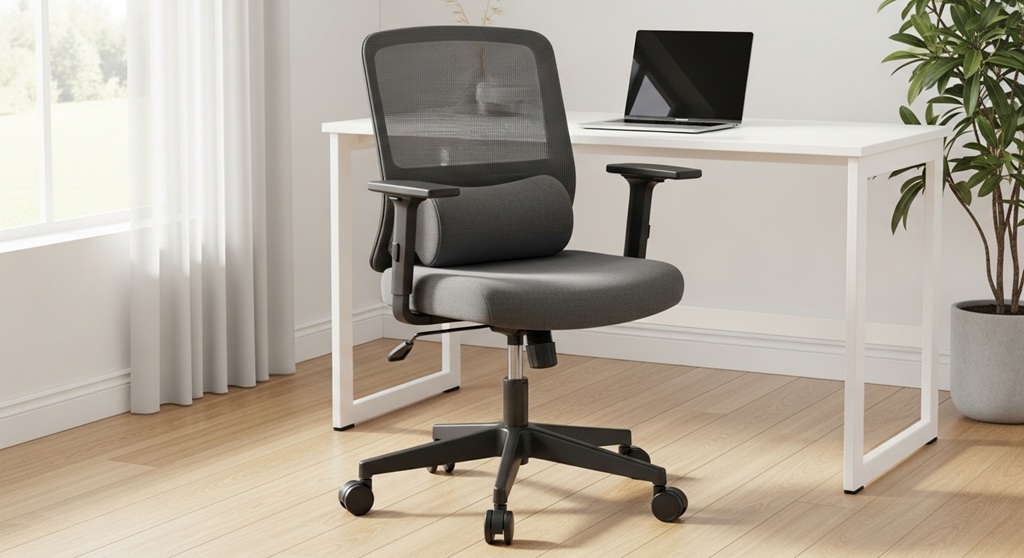
04 Mar How to Choose an Ergonomic Office Chair for Small Spaces
Working from home has changed how people design their workspace. Many professionals now work from apartments, studio flats, or small home offices. The challenge is simple: you need a chair that supports your posture without occupying too much space.
An ergonomic office chair for small spaces is a chair designed to provide proper spinal support, adjustability, and comfort while maintaining a compact footprint. These chairs focus on space efficiency without sacrificing ergonomics.
According to a study by the Occupational Safety and Health Administration (OSHA), poor workstation ergonomics contributes to musculoskeletal disorders, which account for nearly 33% of all workplace injury cases. This means your chair matters more than you think.
However, choosing the right chair becomes difficult when you live in a small apartment or work in a tight home office setup. Bulky executive chairs can overwhelm a room and reduce mobility.
This guide explains how to choose the right compact ergonomic chair that fits your space, supports your body, and improves your productivity.
Why Is Choosing the Right Chair Important for Small Workspaces?
Short Answer: The right chair improves posture, prevents pain, and maximizes space efficiency in small home offices.
Small workspaces require smart furniture choices. Unlike large corporate offices, apartments often combine living, working, and relaxing areas.
A poorly chosen chair can cause several issues:
- Back pain due to improper lumbar support
- Limited movement around your desk
- Visual clutter in small rooms
- Reduced productivity during long work sessions
Research from Cornell University’s Human Factors and Ergonomics Lab found that adjustable ergonomic chairs can reduce spinal compression and back discomfort by up to 17% during long desk sessions.
This is why selecting the right apartment office furniture is not just about design. It directly affects your health and daily performance.
What Features Should a Compact Ergonomic Chair Have?
Short Answer: A good compact ergonomic chair should include adjustable height, lumbar support, breathable material, and a small base footprint.
When choosing a chair for small spaces, prioritize ergonomic features over size alone. A compact chair should still support your spine and allow posture adjustments.
1. Adjustable Seat Height
Your feet should rest flat on the floor, with knees at a 90-degree angle. Most ergonomic chairs offer seat height adjustment between 16 and 21 inches.
This adjustment allows different users to maintain proper alignment between hips, knees, and ankles.
2. Lumbar Support
Lumbar support maintains the natural curve of your lower back.
Without this support, prolonged sitting leads to slouching and lower back stress.
Many compact chairs include built-in lumbar cushions or adjustable lumbar pads.
3. Seat Depth and Width
Small chairs should still provide adequate seat depth.
A recommended seat depth ranges between 15–18 inches. This allows your back to rest fully against the backrest while leaving 2–3 inches between the seat edge and your knees.
4. Breathable Mesh Back
Mesh materials improve airflow and prevent heat buildup during long working hours.
This is particularly useful in small rooms where ventilation may be limited.
5. Compact Base and Armrests
Look for chairs with:
- Narrow wheel bases
- Foldable or adjustable armrests
- Low-profile frames
These features allow the chair to slide under the desk when not in use.
How Much Space Does a Compact Ergonomic Chair Need?
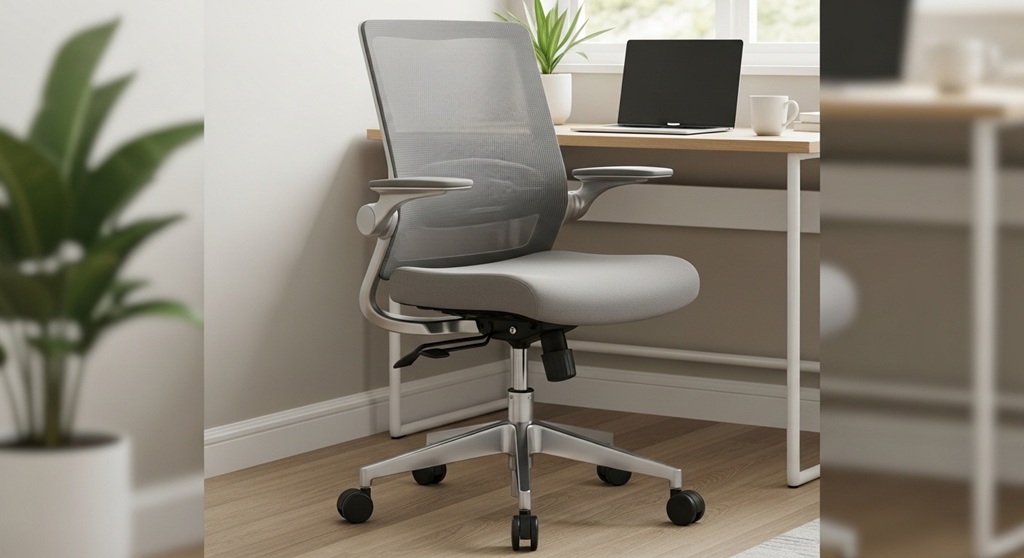
Short Answer: Most compact ergonomic chairs require about 24–28 inches of floor space.
Small workstations require careful measurement before purchasing furniture.
Below is a general space guide:
| Chair Type | Average Width | Recommended Space |
|---|---|---|
| Executive Office Chair | 30–32 inches | Large office |
| Standard Ergonomic Chair | 27–29 inches | Medium workspace |
| Compact Ergonomic Chair | 22–26 inches | Small rooms or apartments |
Choosing a chair that fits your layout prevents tight movement areas and improves workflow.
Are Compact Ergonomic Chairs Comfortable for Long Work Hours?
Short Answer: Yes, if the chair includes ergonomic adjustments and proper lumbar support.
Some people assume smaller chairs are less comfortable. In reality, comfort depends on design rather than size.
Studies from the Journal of Physical Therapy Science show that ergonomic seating significantly reduces muscle fatigue during long computer sessions.
A well-designed compact chair can support 6–8 hours of work if it includes:
- Adjustable tilt mechanism
- Breathable back support
- High-density seat foam
- Adjustable armrests
If you are comparing models, you can explore options such as compact ergonomic chair solutions designed specifically for smaller workspaces.
What Type of Apartment Office Furniture Works Best with Compact Chairs?
Short Answer: Minimalist desks, wall-mounted shelves, and foldable workstations pair best with compact chairs.
In small apartments, furniture should serve multiple functions.
When choosing apartment office furniture, prioritize pieces that maximize vertical space.
Examples include:
- Wall-mounted desks
- Floating shelves
- Foldable desks
- Corner desks
- Storage ottomans
This combination creates a productive workspace without overcrowding the room.
How Do You Measure Your Workspace Before Buying a Chair?
Short Answer: Measure desk height, available floor width, and movement clearance.
Before buying any chair, measure the space around your desk.
Follow this quick method:
- Measure desk height from floor to underside
- Measure desk width and leg clearance
- Measure the walking space behind the chair
- Allow at least 30 inches for movement
This ensures your chair fits properly and remains easy to move.
What Are Common Mistakes People Make When Buying Office Chairs for Small Rooms?
Short Answer: People often choose chairs based on appearance rather than ergonomics or size compatibility.
Here are the most common mistakes:
1. Buying Oversized Executive Chairs
Large leather chairs may look appealing but often overwhelm small rooms.
2. Ignoring Lumbar Support
Many cheap chairs lack proper back support, leading to posture problems.
3. Not Checking Adjustability
Height and tilt adjustments are essential for ergonomic seating.
4. Forgetting Desk Clearance
If armrests cannot slide under the desk, the chair will occupy unnecessary space.
5. Ignoring Weight Capacity
Most ergonomic chairs support between 250–300 lbs. Always verify specifications.
How Does an Ergonomic Chair Improve Productivity?
Short Answer: Proper seating reduces discomfort, allowing longer focus periods.
According to research by the American Journal of Epidemiology, employees experiencing back discomfort report up to 38% lower productivity.
Ergonomic seating helps maintain neutral posture, which reduces fatigue and distraction.
Benefits include:
- Better posture alignment
- Reduced muscle tension
- Improved circulation
- Longer focus periods
For remote workers, freelancers, and students, these improvements can significantly affect daily output.
What Is the Best Budget Range for a Compact Ergonomic Chair?
Short Answer: A reliable compact ergonomic chair typically costs between $120 and $350.
Price varies depending on materials, adjustability, and brand.
| Price Range | Typical Features |
|---|---|
| $80 – $120 | Basic height adjustment, minimal support |
| $120 – $250 | Adjustable lumbar support, breathable mesh |
| $250 – $350 | Full ergonomic features, better durability |
Investing in ergonomic seating can prevent long-term health issues, making it a practical purchase rather than a luxury.
Conclusion: How Can the Right Chair Transform a Small Workspace?
Choosing the right office chair is one of the most important decisions when setting up a home workspace.
In small apartments or compact home offices, the goal is to balance comfort, ergonomics, and space efficiency.
A well-designed compact ergonomic chair provides essential support without overwhelming your workspace. When paired with smart apartment office furniture, it can transform even the smallest corner into a productive workstation.
The key is to focus on adjustability, lumbar support, breathable materials, and compact dimensions.
If you’re upgrading your workspace or building a small home office, start by exploring reliable ergonomic chair options designed for modern work environments.
Ready to improve your workspace comfort? Explore practical seating solutions and choose a chair that supports both your posture and your productivity.
Frequently Asked Questions (FAQs)
What is the best ergonomic chair for a small apartment?
The best ergonomic chair for small apartments is one with adjustable height, lumbar support, and a narrow base. Mesh-backed compact chairs are often ideal because they provide airflow while saving space.
Are ergonomic chairs worth it for home offices?
Yes. Ergonomic chairs help reduce back pain, improve posture, and increase productivity during long work sessions. Studies show they can significantly lower musculoskeletal discomfort.
How much space should an office chair have behind a desk?
Experts recommend at least 30 inches of clearance behind a desk for comfortable chair movement and workspace mobility.
Can compact chairs support long working hours?
Yes. High-quality compact ergonomic chairs are designed for extended use and can support 6–8 hours of daily work if they include proper lumbar support and adjustable features.
Do small office chairs reduce comfort?
No. Comfort depends on ergonomic design rather than chair size. A compact chair with proper adjustments can provide the same comfort as larger models.
What materials are best for ergonomic chairs?
Breathable mesh, high-density foam, and durable nylon frames are commonly used in ergonomic chairs because they provide comfort, airflow, and long-term durability.
Related Topic: How to Choose an Escape-Proof Dog Harness for Active Dogs
Read Next: How to Protect Office Documents from Identity Theft with the Right Shredder
No Comments