
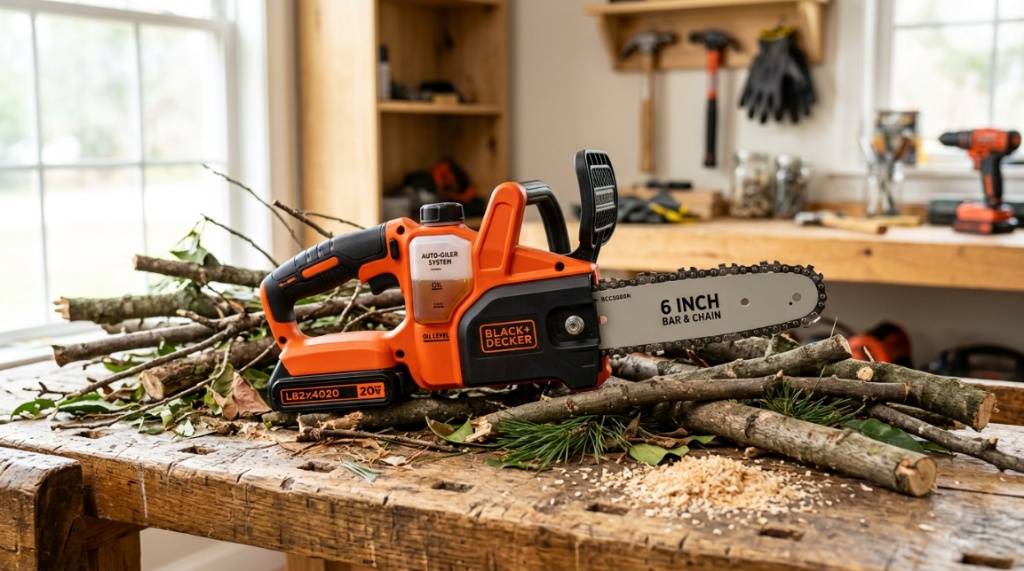
03 Sep What Makes an Affordable Mini Chainsaw with Auto Oiler a Good Choice?
If you have ever wrestled with a heavy gas chainsaw for a small trimming job, you know the frustration. These tools are powerful but often overkill for light pruning or cutting firewood. On the other hand, manual saws demand too much physical effort. An affordable mini chainsaw with auto oiler presents a middle ground that is easy to handle and surprisingly effective. However, stepping into the world of compact cordless saws can be confusing, especially when you are trying to figure out which features matter most and whether the lower price tag means lower quality. This article breaks down exactly what to look for, how automatic oiling helps, and where these tools shine—or fall short—so you can make an informed decision without overspending.
Key Takeaways
- An automatic oiler ensures the bar and chain receive constant lubrication, which reduces friction and prevents premature wear, even if you forget to oil manually.
- A mini chainsaw is designed for limbing, pruning, and small cuts—not for felling large trees or heavy bucking; understanding this limitation prevents frustration.
- Battery voltage and amp-hours matter more than motor size alone, as they determine runtime and cutting torque.
- Look for tool-less chain tensioning and a transparent oil tank, as these features make maintenance significantly easier for beginners.
Understanding the Core Benefits of a Mini Chainsaw
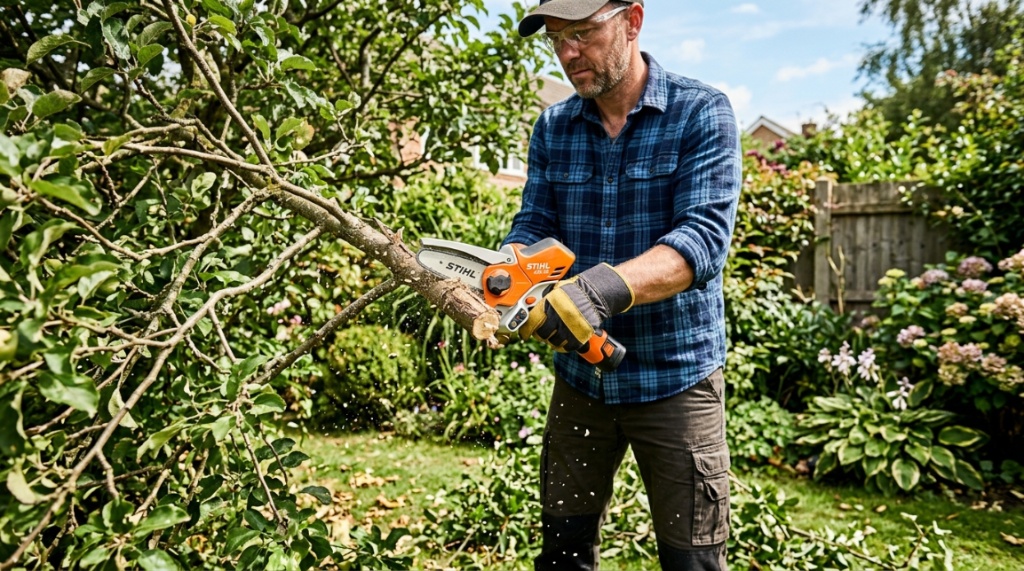
Mini chainsaws, often referred to as pruning saws, have become popular because they put cutting power into a compact frame. Unlike full-size models, these units are typically battery-powered and weigh less than five pounds. This makes them accessible for homeowners and DIY enthusiasts who need to trim branches, cut PVC pipe, or slice through small logs without the physical strain associated with larger equipment.
The primary benefit is convenience. You can grab the saw, make a few cuts, and set it down without mixing fuel or dealing with a pull cord. The reduced vibration also makes them easier to control for precision work. But a regular affordable model is only as good as its maintenance. This is why the auto oiler feature has become a critical selling point.
Why an Auto Oiler Is a Practical Feature
Chain lubrication is not optional. The chain moves at high speed against the guide bar, and without oil, the metal parts generate heat and friction. This leads to a dulling chain, a warped bar, and eventually a seized motor. Manual oiling requires you to press a button or apply lubricant before and during use. With an auto oiler, a small pump delivers oil from a reservoir to the bar and chain continuously while the saw runs.
This is particularly beneficial for an affordable mini chainsaw with auto oiler because many entry-level buyers are not seasoned loggers. They may not know the correct oiling intervals. An automatic system removes the guesswork, ensuring the bar stays cool and the chain moves smoothly, reducing the risk of kickback and binding.
Evaluating Power and Performance
One of the biggest misconceptions is that all mini chainsaws are weak. While they cannot match a professional gas saw, modern brushless motors have changed the game. When looking at specifications, focus on voltage. A 12V model is suitable for light trim work and small branches. A 20V or 21V model approaches the performance of a small gas saw, capable of handling denser wood.
Look beyond just voltage, though. The battery’s amp-hour (Ah) rating determines runtime. A 2.0Ah battery on a 12V saw might last for 30 minutes of intermittent cutting. If you have heavy pruning to do, a 4.0Ah battery is a wiser choice. Additionally, consider the chain speed (measured in feet per second). Faster speeds do not always equate to better cutting; torque is what keeps the chain moving through wood, For alternative garden upgrades, check out our guide on choosing the Right Cordless Tool Instead of a Drill.
Comparing Brushless and Brushed Motors
You will encounter two motor types in this category. Brushed motors are cheaper and found in the lowest-priced models. They work fine for occasional use but generate more heat and lose efficiency over time. Brushless motors are electronically commutated, meaning they have no brushes to wear out. They are more efficient, offer more torque, and extend battery runtime.
If your budget allows, spend a little extra for a brushless model. It will last longer and will not bog down as easily. However, if you are buying a saw for rare tasks, a brushed motor is acceptable, provided you are aware of its limitations.
Safety Features that Matter
Safety is a concern with any cutting tool, but the small size of these units can create a false sense of security. You still need safety features to protect yourself.
Chain Brake and Kickback Protection
A chain brake is essential. This mechanism stops the chain immediately if the saw kicks back—which occurs when the nose of the bar hits an object. While mini saws have lower kickback energy than full-size saws, it is still a risk. Do not purchase a model without a hand guard that doubles as a chain brake.
Low Noise and Vibration Control
One overlooked advantage of mini saws is the lower decibel level. They are quieter than gas saws, which is kind to your ears and your neighbors. Look for models with an anti-vibration handle system. Reduced vibration means less fatigue and better control over extended periods.
Maintenance and Usability: The Auto Oiler Advantage
Maintaining a chainsaw is not difficult, but it requires diligence. The auto oiler significantly reduces the maintenance burden by taking care of the most critical lubrication task automatically. However, you still need to refill the oil tank. A transparent oil reservoir is a thoughtful feature as it lets you see the oil level at a glance.
Always use proper bar and chain oil. Substituting motor oil or household oil is risky. Bar and chain oil is designed to adhere to the chain and resist flinging off, ensuring it stays on the bar where it is needed.
Battery Life and Runtime Management
Battery life is the most common frustration with cordless power tools. One way to maximize runtime is to cut with the full length of the bar and let the saw do the work instead of pushing hard. Also, ensure the chain is sharp; a dull chain makes the motor work harder and drains the battery faster.
Most mini chainsaws come with a charging dock and a battery. Some come with a spare battery in the kit. While a spare battery increases the upfront cost, it effectively doubles your work capacity, allowing you to charge one while actively using the other.
When a Mini Chainsaw Is Not the Right Tool
It is vital to understand the limitations. These are not felling tools. If you need to cut down a tree larger than 6 inches in diameter or split wood for a fireplace, you will be disappointed. The narrow bar length (usually 4 to 6 inches) limits the width of the cut. Attempting to force the saw through thick wood can cause pinching or overheating.
Mini chainsaws excel at high-repetition tasks like trimming hedges, pruning fruit trees, and cutting lumber to size for DIY projects. They are also excellent for camping trips where a hatchet would otherwise be used, though you must always check firewood transportation rules—most prohibit moving wood across state lines, so having a saw on-site is often necessary.
Making the Purchase Decision
When you are narrowing down your options, look at the overall package, not just the saw. Consider the availability of spare parts, the warranty period, and the quality of customer support.
- Bar Length: A 4-inch bar is for tiny branches. A 6-inch bar gives you more leverage and capacity without losing the compact form factor.
- Oil Tank Capacity: A small tank means frequent refills. You usually want a tank that holds enough oil to last roughly as long as a single battery charge.
- Ergonomics: Ensure the handle is comfortable. Some models have a rear handle that angles slightly to reduce wrist strain, similar to a pole saw.
- Chain Type: There are different chain pitches, but low-profile chains are thinner, lighter, and cut with less kickback.
Do not ignore the brand reputation. Some lesser-known brands may offer attractive prices, but they might fail to stock replacement chains or provide a reliable warranty. Reading reviews about the seller’s customer service is as important as reading reviews about the saw itself.
Conclusion
An affordable mini chainsaw with auto oiler is a smart investment for anyone who values practical, efficient yard maintenance without the bulk of heavy machinery. The auto oiler feature is not just a luxury—it protects your equipment and ensures safety by keeping the chain lubricated during crucial cutting sessions. While they are not designed for major logging work, as a primary tool for pruning and trimming or a backup for emergency cleanup, they offer exceptional versatility for the price. Prioritize brushless motors, adequate battery capacity, and transparent oil tanks to get the best value, and these compact powerhouses will serve you reliably for years. Choose the right specifications for your workload, and you will wonder how you ever managed without one.
Frequently Asked Questions
How often do I need to replace the chain?
It depends on usage and encountering dirt, which dulls the chain quickly. A typical hobbyist may need to replace a chain once a year or after around 50 hours of cutting. If you frequently hit dirt or nails, replace the chain when you notice it smokes or produces fine sawdust instead of chips.
Can I use a mini chainsaw to cut down a tree?
You can, but only if the tree has a very small diameter (under 4 inches). For anything larger, you risk pinching the bar or being unable to complete the cut. Felling larger trees requires the longer bar and power of a full-size chainsaw.
How do I know if the auto oiler is working?
Run the saw over a piece of white paper or a light-colored surface for a few seconds. You should see a light splatter of oil forming along the paper trail. If no oil appears, the oil pick-up line may be blocked, or the tank may be empty.
What type of oil should I use in the auto oiler?
Always use purpose-built bar and chain oil. Standard mineral oil is too thin and will fly off the chain, offering no lubrication. In colder environments, opt for non-toxic or bio-based bar oil, as conventional petro-based oils may thicken significantly in low temperatures.
Do mini chainsaws come with a battery and charger?
Most kits include a charger and at least one battery. However, some options sell the tool only, known as “bare tool” units. Always verify the product description to ensure you are getting everything you need in the box, as some bare-tool prices look attractive but require an additional purchase.
No Comments