
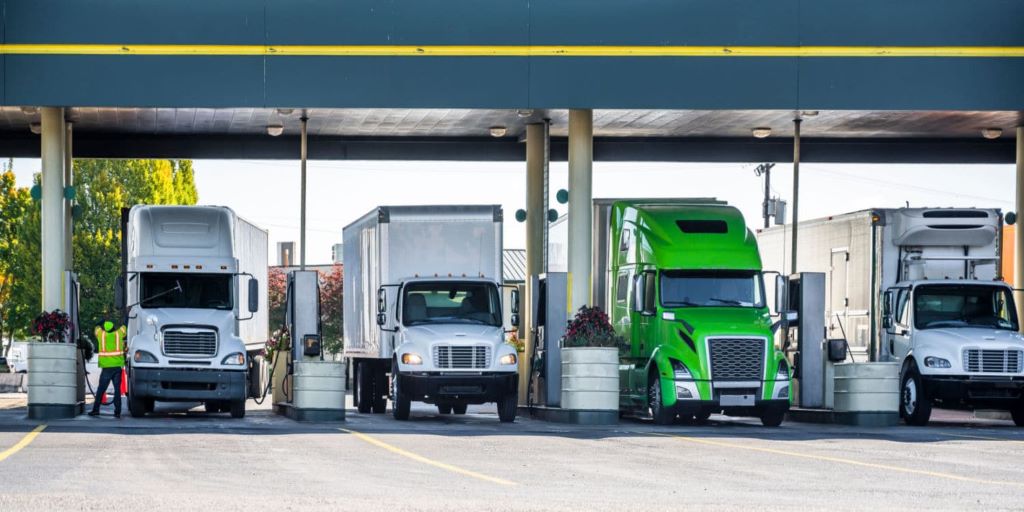
08 Aug Fueling the Beast: Factors Affecting a Semi Truck’s Gas Capacity
Semi-trucks, the behemoths of the highway, play a crucial role in transporting goods across vast distances. Their ability to cover thousands of miles is heavily reliant on their fuel capacity. However, a semi-truck’s gas capacity isn’t a fixed number – it’s influenced by several factors. Let’s delve into the intricacies of what determines how much fuel these road giants can carry.
Standard Fuel Tanks: Semi Truck’s Gas Capacity
The most obvious factor affecting a semi-truck’s gas capacity is the size of its fuel tanks. Standard semi-trucks usually have two fuel tanks, one on each side of the truck, located beneath the cab. The capacity of these tanks can vary significantly depending on the truck’s make, model, and intended use.
On average, a typical semi-truck’s fuel tank can hold around 120-150 gallons of diesel. However, trucks designed for long-haul routes often have larger tanks, with capacities ranging from 200 to 300 gallons per tank. Some specialized trucks might even have tanks holding upwards of 400 gallons each. If you’re curious about how many gallons of gas semi trucks hold, you can read more about it.
Additional Tanks: Expanding the Limits
In addition to the standard tanks, many semi-trucks are equipped with auxiliary or secondary fuel tanks. These tanks are often mounted behind the cab or under the trailer and can add a significant amount of fuel capacity to the truck. Depending on the size and configuration, auxiliary tanks can hold anywhere from 50 to 200 gallons or more.
Truckers who frequently travel long distances without access to refueling stations often opt for auxiliary tanks to extend their range. It’s worth noting that adding auxiliary tanks can increase the truck’s overall weight, which might impact fuel efficiency and maneuverability.
Truck Type and Purpose: Tailoring to the Task
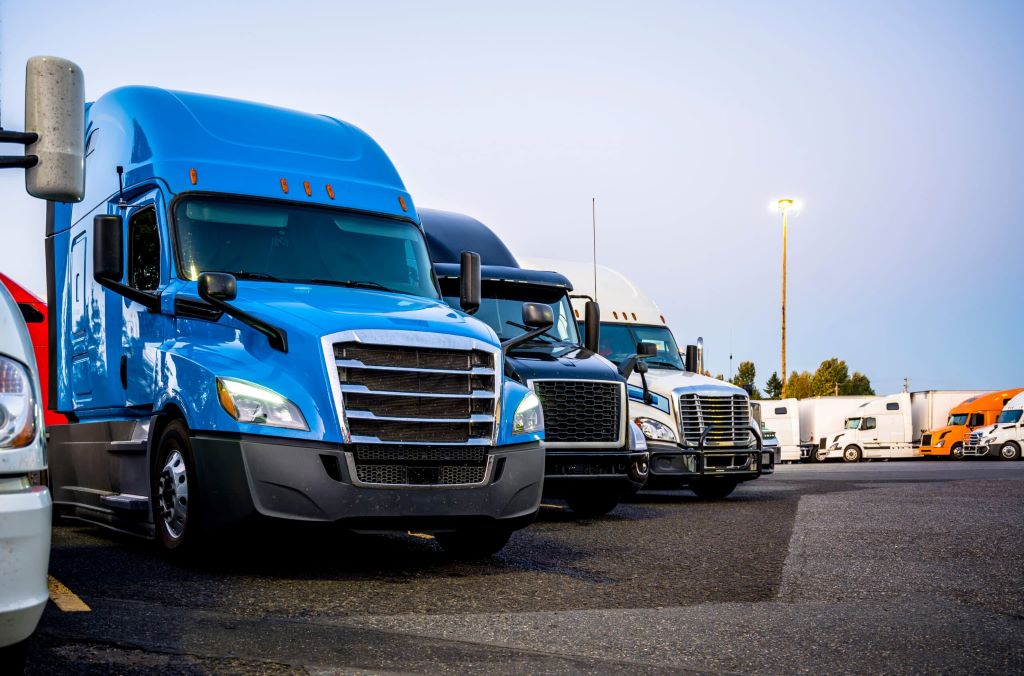
The type of semi-truck and its intended purpose also play a role in determining its gas capacity. For instance, day cab trucks, which are typically used for local deliveries, might have smaller fuel tanks since they don’t need to cover vast distances. On the other hand, sleeper cab trucks, designed for long-haul journeys, often have larger tanks to accommodate their extended range requirements.
Fuel Tank Shape and Placement: Optimization for Efficiency
The shape and placement of fuel tanks can also influence a semi-truck’s overall fuel capacity. Cylindrical tanks are common due to their durability and space efficiency. However, some trucks might have saddle tanks that contour to the shape of the frame, maximizing available space.
Fuel tank placement is crucial for weight distribution. Tanks are usually positioned to maintain a balanced load, preventing the truck from becoming too heavy on one side. This not only improves handling and stability but also helps optimize fuel efficiency.
Weight Considerations: Semi Truck’s Gas Capacity and Efficiency
The weight of the fuel itself is a significant factor in determining a semi-truck’s overall capacity. A gallon of diesel weighs approximately 7 pounds, so a fully loaded fuel tank can add a substantial amount of weight to the truck. This weight impacts fuel efficiency, as heavier trucks require more energy to move.
Truck drivers and fleet managers carefully consider the trade-off between fuel capacity and weight. Carrying too much fuel can reduce fuel efficiency and limit cargo capacity while carrying too little can lead to frequent refueling stops, which can be time-consuming and disruptive.
How to Start a Hybrid Car with a Dead 12V Battery: A Comprehensive Guide
Regulatory Limitations: Semi Truck’s Gas Capacity and Safety
Regulations also play a role in limiting a semi-truck’s fuel capacity. There are restrictions on the maximum weight a truck can carry, including the weight of the fuel. These regulations are in place to ensure road safety and prevent overloading, which can damage roads and bridges.
Fuel Management Systems: Monitoring and Optimization
Modern semi-trucks are often equipped with advanced fuel management systems that monitor fuel levels, consumption, and efficiency. These systems can help drivers optimize their driving habits to maximize fuel economy and extend their range. Some systems even provide real-time data on nearby fuel prices, allowing drivers to plan their refueling stops strategically.
Related: Why My Car Won’t Start but I Have Power
In conclusion, a semi-truck’s gas capacity is a multifaceted issue influenced by various factors. Standard tank sizes, auxiliary tank options, truck type, and purpose, tank shape and placement, weight considerations, regulatory limitations, and fuel management systems all contribute to determining how much fuel a semi-truck can carry. Understanding these factors is essential for truck drivers, fleet managers, and anyone involved in the trucking industry to make informed decisions regarding fuel management, route planning, and overall efficiency.
No Comments