
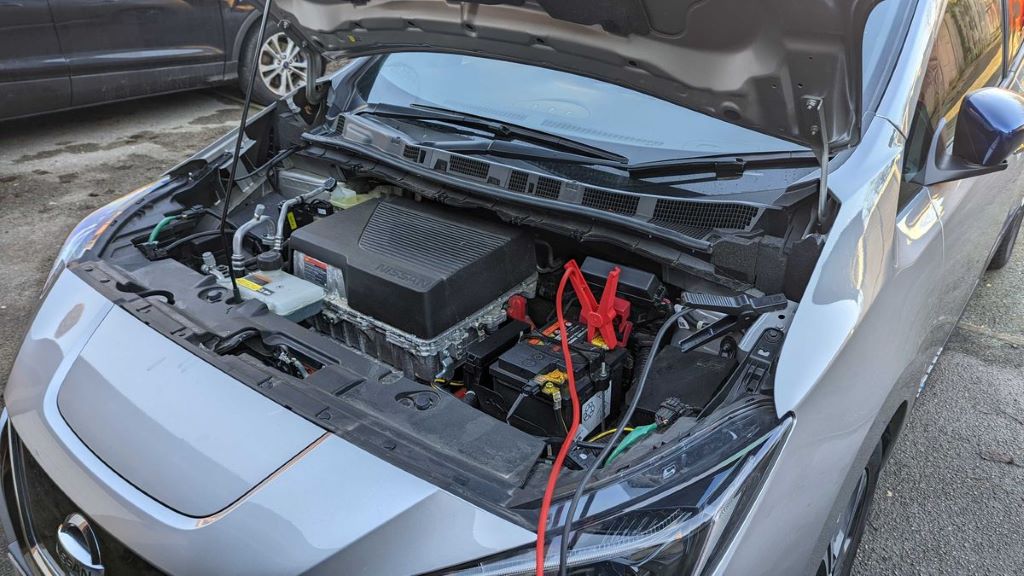
23 Jun How to Start a Hybrid Car with a Dead 12V Battery: A Comprehensive Guide
Hybrid cars have revolutionized the automotive industry, but they haven’t entirely eliminated the classic dead battery scenario. However, jump-starting a hybrid is slightly different than a traditional gasoline vehicle. This guide will walk you through the process safely and effectively, providing insights valuable to both new and experienced hybrid owners.
Understanding Hybrid Batteries
Hybrids have two batteries:
- High-Voltage Battery: This powers the electric motor and is not typically the one that goes dead.
- 12-Volt Battery: This is like a regular car battery and powers the electronics, lights, and accessories. It’s the battery we’ll be focusing on.
Why Does the 12-Volt Battery Go Dead?
- Leaving lights or accessories on: Just like in a conventional car, this drains the battery.
- Infrequent use: If you don’t drive your hybrid regularly, the 12-volt battery might not get adequately charged.
- Age: Batteries naturally degrade over time.
Signs of a Dead 12-Volt Battery
- Clicking sound when trying to start: This indicates insufficient power.
- Dim or flickering dashboard lights: A clear sign of low battery voltage.
- Complete lack of power: No lights, no sound, no response from the car.
Related: Why My Car Won’t Start but I Have Power
How to Jump-Start a Hybrid Car (Using Jumper Cables)
Safety First:
- Read your car’s manual: It will have specific instructions for your model.
- Wear safety glasses and gloves: Batteries contain corrosive acid.
- Avoid touching metal parts: This can cause sparks or shocks.
Tools Needed:
- Jumper cables
- Another car with a good battery
- (Optional) Jump-start box (portable battery)
Steps:
- Locate the 12-volt battery: It’s usually in the engine bay or trunk. Consult your manual for its exact location.
- Park the cars close, but not touching: Ensure the cables can reach easily.
- Turn off both cars: Put both cars in park (or neutral for manuals) and engage the parking brake.
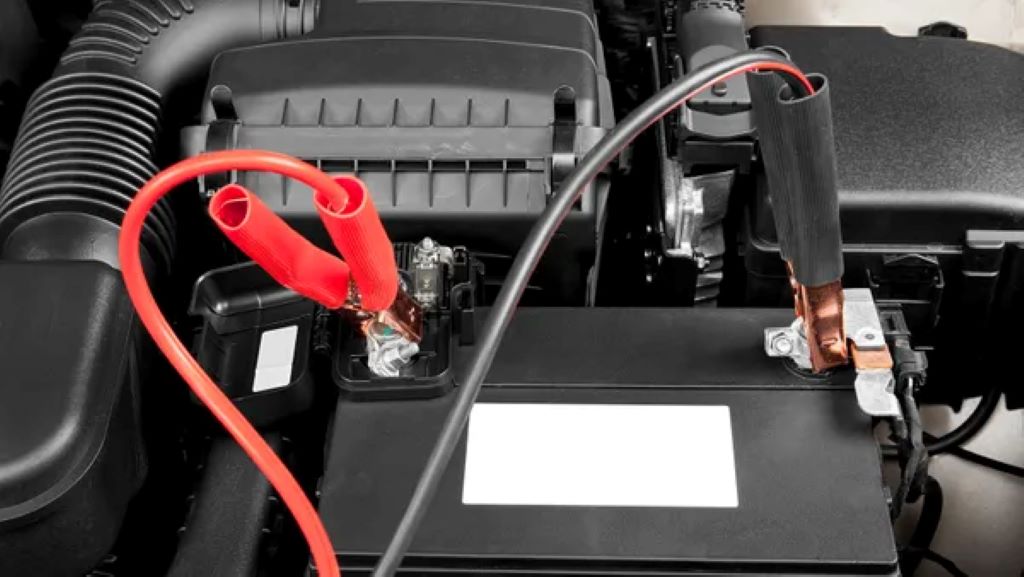
- Connect the positive (red) cable:
- First, connect the positive clamp to the positive (+) terminal of the dead battery.
- Then, connect the other end of the positive cable to the positive (+) terminal of the good battery.
- Connect the negative (black) cable:
- First, connect the negative clamp to a metal grounding point on the dead car’s frame (not the battery).
- Then, connect the other end of the negative cable to the negative (-) terminal of the good battery.
- Start the good car: Let it run for a few minutes to charge the dead battery.
- Start the hybrid car: It should start if the 12-volt battery was the issue.
- Disconnect the cables: In reverse order – negative first, then positive.
Important Notes:
- Don’t connect the negative cable directly to the dead battery’s negative terminal: This can cause sparks.
- If using a jump-start box, follow the manufacturer’s instructions carefully.
- If the car doesn’t start after several tries, the problem might be more than the battery.
After Jump-Starting
- Keep the car running for at least 30 minutes: This will allow the battery to recharge.
- If the battery keeps dying, have it tested and potentially replaced.
Hybrid-Specific Considerations:
- Some hybrids have a jump-start terminal under the hood. This is often marked with a “+” sign.
- If your car has a push-button start, you may need to hold the brake pedal while pressing the start button after jump-starting.
Beyond Jump-Starting: Tips for Hybrid Battery Health
- Regularly drive your hybrid: Even short trips can help maintain the battery.
- Use a battery tender: If your hybrid sits for extended periods, a battery tender can keep the 12-volt battery topped up.
- Have your hybrid serviced regularly: This includes checking the battery health.
Let me know if you’d like any sections expanded or additional details added!
Sources
No Comments