
09 Feb How to Choose Between Sapphire vs Diamond Engagement Rings
Choosing an engagement ring is one of the most exciting decisions you’ll make. While diamonds have long been the traditional choice, sapphire engagement rings have surged in popularity over recent years. This timeless gemstone offers a unique alternative that combines elegance, durability, and affordability.
If you’re torn between these two beautiful options, you’re not alone. Many couples today are exploring alternatives to diamonds, seeking something that reflects their personal style and values. This guide will help you understand the key differences between sapphires and diamonds, making your decision easier and more informed.
Understanding Sapphire Engagement Rings
Sapphires have adorned royal fingers for centuries. The most famous example is Princess Diana’s iconic blue sapphire ring, now worn by Catherine, Princess of Wales. This gemstone belongs to the corundum family and comes in various colors, though blue remains the most popular choice for engagement rings.
What makes sapphires special is their rich history and symbolism. Ancient civilizations believed sapphires represented wisdom, virtue, and good fortune. Today, they symbolize loyalty and trust, making them meaningful choices for engagement rings.
Beyond traditional blue, sapphires are available in pink, yellow, white, and even rare padparadscha orange. This variety allows couples to select a color that truly represents their relationship. Additionally, sapphires offer excellent durability, ranking 9 on the Mohs hardness scale, second only to diamonds.
The Timeless Appeal of Diamond Engagement Rings
Diamonds have dominated the engagement ring market since the 1940s. Their brilliance and fire create an unmatched sparkle that catches light from every angle. This exceptional optical performance results from the diamond’s unique crystal structure and high refractive index.
The tradition of diamond engagement rings stems from successful marketing campaigns, but their popularity also reflects genuine appreciation for their beauty. Diamonds symbolize eternal love and commitment, partly because they’re the hardest natural substance on Earth, rating 10 on the Mohs scale.
Moreover, diamonds hold their value well over time. The established market for diamonds means they’re easier to resell or trade compared to other gemstones. This financial aspect appeals to couples who view their engagement ring as both a symbol of love and an investment.
Comparing Durability and Longevity
When considering sapphire engagement ring pros cons, durability ranks as a top consideration. Both gemstones offer excellent hardness, making them suitable for daily wear. However, diamonds edge ahead slightly with their perfect 10 rating.
Sapphires resist scratching remarkably well. Their hardness means only diamonds can scratch them, which rarely happens in everyday situations. Furthermore, sapphires have no cleavage planes, meaning they’re less likely to chip or break from impact compared to diamonds.
Diamonds, despite being harder, have cleavage planes that make them vulnerable to chipping if struck at certain angles. Therefore, both stones require reasonable care, though neither is particularly fragile. With proper maintenance, both sapphire and diamond rings can last generations.
Evaluating Color Options and Appearance
Color represents one of the most significant differences between these gemstones. Diamonds are typically valued for their lack of color, with colorless stones commanding premium prices. However, fancy colored diamonds in yellow, pink, or blue are rare and expensive.
Sapphires naturally occur in stunning colors. Blue sapphires range from light cornflower to deep royal blue. The most prized shade is a vivid, medium-dark blue with excellent saturation. Meanwhile, pink sapphires offer romantic appeal, while yellow sapphires provide sunny warmth.
The appearance of each stone differs fundamentally. Diamonds display brilliant sparkle and fire, creating rainbow flashes of light. Sapphires, conversely, exhibit a more subtle, velvety appearance with gentle color play. Neither is objectively better; the choice depends on personal aesthetic preferences.
Analyzing Cost and Value
Budget considerations often influence the final decision. Sapphires typically cost significantly less than diamonds of comparable size and quality. This price difference allows couples to purchase larger stones or allocate funds elsewhere.
A one-carat high-quality sapphire might cost between $1,000 and $10,000, depending on color, clarity, and origin. Comparatively, a similar-quality diamond could range from $4,000 to $20,000 or more. Therefore, sapphires offer excellent value for budget-conscious couples.
However, cost shouldn’t be the only factor. Consider long-term value retention as well. Diamonds maintain established resale markets, while sapphires may be harder to resell. Nevertheless, if you’re choosing a ring to keep forever, resale value matters less than personal satisfaction.

Exploring Ethical and Environmental Considerations
Many modern couples prioritize ethical sourcing. The diamond industry has faced scrutiny over conflict diamonds and environmental impact, though significant improvements have occurred through certification programs like the Kimberley Process.
Sapphires generally have a smaller environmental footprint. Many sapphires come from small-scale mines with less environmental disruption than large diamond operations. Additionally, lab-created options exist for both gemstones, offering conflict-free alternatives with minimal environmental impact.
Lab-grown sapphires and diamonds are chemically identical to natural stones but cost considerably less. They provide an ethical choice without compromising quality. Furthermore, lab-created gems ensure complete traceability, giving you peace of mind about your ring’s origins.
Weighing Sapphire Engagement Ring Pros Cons
Let’s examine the specific advantages and disadvantages of sapphire engagement rings. Understanding these points helps clarify whether a sapphire suits your needs and preferences.
Advantages include exceptional value for money. Sapphires allow you to get a larger, higher-quality stone within your budget. Their unique colors offer distinctive beauty that stands out from traditional diamond rings. Sapphires also carry rich symbolism and historical significance, adding depth to your choice.
The durability of sapphires makes them practical for everyday wear. They resist scratching and maintain their beauty with minimal maintenance. Moreover, sapphires appeal to couples seeking something different, expressing individuality through their choice.
Disadvantages include less sparkle compared to diamonds. Sapphires don’t display the same brilliant fire and scintillation. They may also have more visible inclusions, though high-quality sapphires can be very clean. Additionally, sapphires have lower resale value and less established secondary markets.
Some people face social pressure favoring traditional diamond rings. Family expectations or cultural norms might influence your decision. However, this factor varies greatly depending on your personal circumstances and values.
Understanding Diamond Engagement Ring Characteristics
Diamond rings come with their own set of advantages. Their unmatched brilliance creates stunning visual impact. Diamonds also carry strong traditional significance, satisfying those who value conventional symbols.
The established market for diamonds provides confidence in value retention. Additionally, extensive grading systems like those from GIA ensure quality transparency. Diamonds are universally recognized and appreciated, which some couples find important.
However, diamonds cost significantly more than sapphires. This higher price may strain budgets or limit size options. Environmental and ethical concerns also persist, despite industry improvements. Furthermore, diamonds have become common, lacking the uniqueness some couples desire.
Considering Lifestyle and Maintenance
Your daily activities should influence your choice. Both stones suit active lifestyles, but specific considerations apply. Sapphires handle everyday wear excellently, resisting scratching from normal activities. They require simple cleaning with warm soapy water and occasional professional inspection.
Diamonds also withstand daily wear well. However, their cleavage planes mean you should avoid hard impacts. Regular cleaning maintains their sparkle, and professional checks ensure secure settings. Both stones benefit from removing your ring during heavy manual work or sports.
Maintenance costs remain low for both options. Annual professional cleaning and inspection typically costs minimal amounts. Neither stone requires special storage conditions, though separate storage prevents them from scratching other jewelry.
Making Your Personal Decision
Ultimately, choosing between sapphire and diamond engagement rings comes down to personal preference. Consider what matters most to you as a couple. Do you value tradition or uniqueness? Is budget flexibility important, or is resale value a priority?
Think about the recipient’s style. Do they prefer classic elegance or distinctive flair? Would they appreciate a colorful gemstone, or do they love traditional sparkle? These questions guide you toward the right choice.
Don’t feel pressured by conventions. Your engagement ring should reflect your relationship and values. Whether you choose sapphire, diamond, or another gemstone entirely, the most important factor is that it feels right to you both.
Combining Both Gemstones
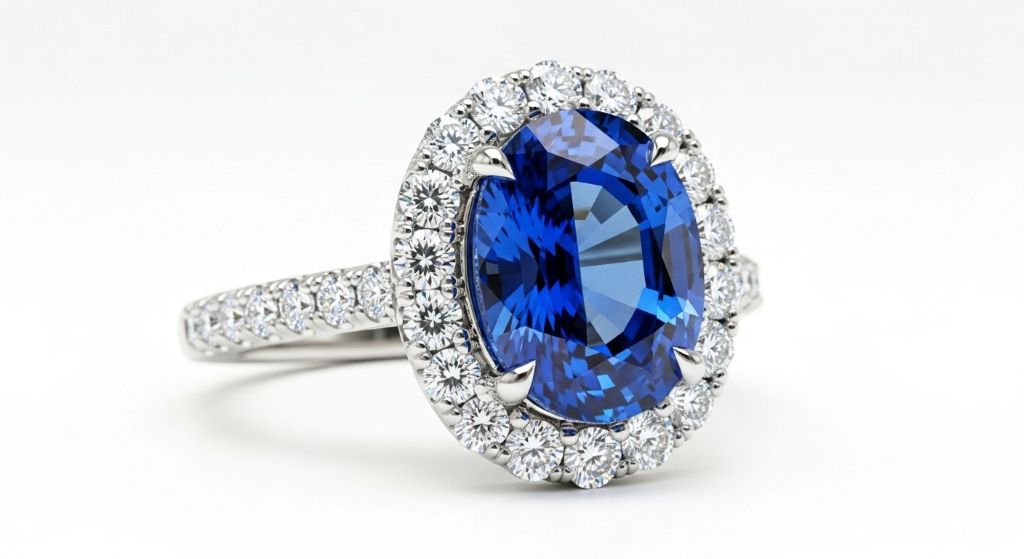
You’re not limited to one or the other. Many stunning designs incorporate both sapphires and diamonds. A sapphire center stone surrounded by diamond accents creates beautiful contrast. Conversely, a diamond center with sapphire side stones offers traditional sparkle with colorful interest.
Three-stone rings can feature both gemstones, symbolizing past, present, and future. Halo settings with alternating stones provide intricate beauty. These combination designs offer the best of both worlds, satisfying multiple preferences simultaneously.
Conclusion
Choosing between sapphire and diamond engagement rings requires weighing multiple factors. Sapphires offer exceptional value, unique colors, and excellent durability at lower price points. Diamonds provide unmatched brilliance, traditional appeal, and established value retention.
Consider your budget, aesthetic preferences, ethical priorities, and lifestyle needs. Both gemstones make beautiful, lasting engagement rings. Neither choice is inherently superior; the right answer depends entirely on what resonates with you personally.
Remember that your engagement ring symbolizes your commitment and love. Whether adorned with sapphire, diamond, or both, choose what makes your heart sing. The perfect ring is the one that you’ll treasure wearing every day for the rest of your life.
Frequently Asked Questions
Are sapphire engagement rings durable enough for everyday wear?
Yes, sapphires are highly durable with a Mohs hardness of 9, making them excellent for daily wear. They resist scratching and maintain their beauty with minimal care, suitable for active lifestyles.
Do sapphire engagement rings hold their value like diamonds?
Sapphires generally have lower resale value than diamonds. However, high-quality sapphires from premium sources like Kashmir or Burma can appreciate over time. If you’re keeping the ring forever, resale value matters less.
What color sapphire is best for an engagement ring?
The best color depends on personal preference. Traditional blue sapphires remain most popular, with vivid medium-dark blue being most prized. Pink, yellow, and white sapphires also make beautiful alternatives.
Can sapphire engagement rings be insured like diamond rings?
Absolutely. Most jewelry insurance policies cover sapphire rings. You’ll need a professional appraisal documenting the stone’s quality, origin, and value, just as you would for a diamond ring.
Are lab-created sapphires a good alternative to natural ones?
Lab-created sapphires are chemically identical to natural sapphires and cost significantly less. They offer excellent value, guaranteed ethical sourcing, and same durability. The choice between natural and lab-created depends on personal preferences regarding origin.
Related Topics:
How To Travel With A Wedding Dress
How to Make Haldi for Haldi Ceremony
No Comments