

21 Feb How to Pick Sustainable Surfboard Fins Made from Recycled Ocean Plastic
Surfers share a deep connection with the ocean. This bond drives many wave riders to seek eco-friendly alternatives for their equipment. Choosing fins made from recovered marine debris helps protect the waters you love while maintaining peak performance. This guide explores everything you need to know about selecting sustainable fin options for your board.
Why Sustainable Surfing Matters
The surfing industry has historically relied on petroleum-based materials. Traditional fins use plastics derived from fossil fuels, which contribute to environmental damage. However, a shift is happening. More brands now offer alternatives that reduce environmental impact without sacrificing quality.
Marine pollution affects surf breaks worldwide. Plastic waste harms marine life and damages ecosystems. Therefore, choosing eco-conscious equipment creates positive change. Every purchase decision matters when protecting our beaches and waves.
Understanding Ocean Plastic Fins
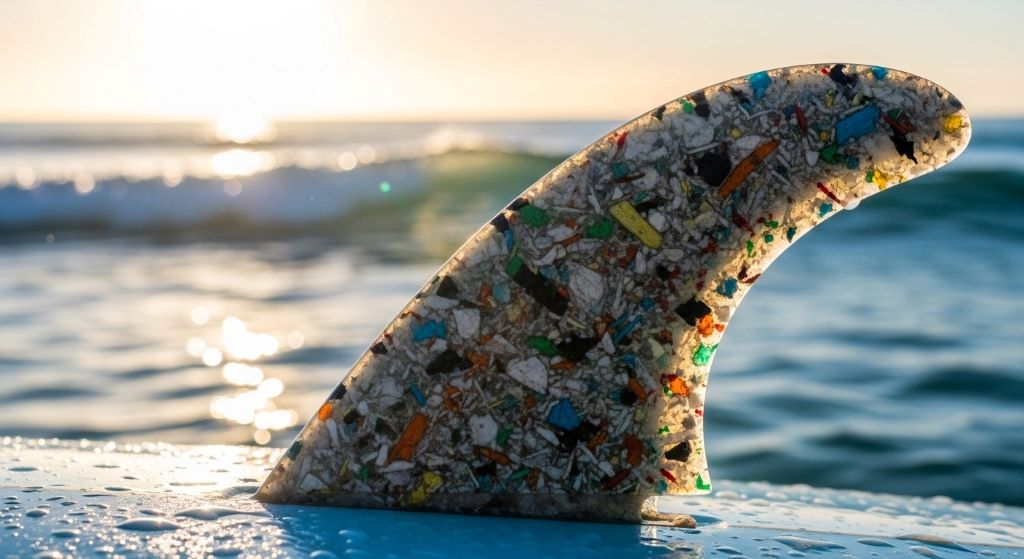
These innovative products transform marine waste into functional surf equipment. Companies collect plastic from beaches, waterways, and fishing operations. The material undergoes cleaning, sorting, and processing. Finally, manufacturers mold it into high-performance fins that work just as well as conventional options.
The technology has advanced significantly in recent years. Early versions sometimes lacked durability or flex patterns. Today’s products match or exceed traditional standards. Additionally, they come in various sizes, shapes, and configurations to suit different surfing styles.
Benefits of Choosing Recycled Materials Surf Gear
Environmental advantages extend beyond waste removal. Manufacturing with recovered materials typically uses less energy than creating virgin plastic. This reduces carbon emissions associated with production. Furthermore, supporting these products encourages industry-wide change.
Performance benefits surprise many surfers. Modern sustainable fins offer excellent flex, drive, and responsiveness. They maintain these characteristics across various wave conditions. Moreover, many riders report no noticeable difference from conventional alternatives.
Economic considerations also play a role. Prices have become competitive as production scales up. You can find options at various price points to match your budget. Meanwhile, investing in quality sustainable gear often means longer-lasting equipment.
Key Features to Evaluate
Several factors determine whether specific fins suit your needs. Understanding these elements helps you make informed decisions. Let’s explore the most important characteristics to consider.
Material Composition and Source
Check what percentage of recovered material each product contains. Some fins use 100% reclaimed content, while others blend it with other materials. Higher percentages generally indicate stronger environmental commitment. However, performance should remain the priority.
Transparency matters when evaluating brands. Reputable companies provide details about their sourcing practices. They explain where materials come from and how collection happens. This information helps you assess authenticity and impact.
Flex Pattern and Performance
Flex determines how fins respond to pressure during turns. Stiffer options provide more drive and stability. Softer versions offer looser, more playful movement. Your surfing style and typical wave conditions should guide this choice.
Test different flex patterns if possible. Many surf shops allow demo sessions or have return policies. Real-world experience beats theoretical knowledge. Additionally, online reviews from other surfers provide valuable insights.
Size and Configuration
Fin size affects speed, control, and maneuverability. Larger fins create more resistance and stability. Smaller versions allow quicker direction changes. Your weight, board size, and skill level influence the ideal dimensions.
Configuration refers to how many fins your board uses. Single fins suit classic longboards and offer smooth, flowing rides. Twin setups provide speed and looseness. Thrusters balance control with maneuverability. Quads add drive without a center fin’s drag.
Compatibility with Your Board
Check your board’s fin box system before purchasing. Common types include FCS, Futures, and US Box configurations. Each uses different attachment methods. Buying incompatible fins wastes money and creates frustration.
Some sustainable brands offer multiple base options. This flexibility lets you use the same fins across different boards. Conversely, certain specialty designs only work with specific systems. Always verify compatibility during the selection process.
How to Identify Quality Construction
Durability ensures your investment lasts multiple seasons. Examine the manufacturing quality carefully. Look for smooth edges, consistent color, and solid construction. Poor quality control indicates potential problems.
Reinforcement in high-stress areas extends lifespan. Many premium options feature additional material at the base and tips. These zones experience the most pressure during surfing. Therefore, extra strength prevents premature wear or breakage.
Finish quality affects both performance and longevity. Smooth surfaces reduce drag through water. They also resist damage better than rough finishes. Run your hand along the fin to check for imperfections.
Reputable Brands Leading the Movement
Several companies pioneer sustainable surf equipment. They invest in research, development, and responsible sourcing. Supporting these innovators accelerates industry transformation.
Research brand histories and commitments. Long-term dedication matters more than recent marketing campaigns. Look for third-party certifications and independent verification of environmental claims. Authenticity separates genuine efforts from greenwashing.
Read customer reviews and professional assessments. Real users provide honest feedback about performance and durability. Professional surfers and industry experts offer technical insights. Combined, these sources paint a complete picture.
Installation and Maintenance Tips
Proper installation ensures optimal performance and safety. Follow manufacturer instructions carefully. Use appropriate tools and avoid forcing fins into boxes. Damaged attachment points compromise function and may cause injury.
Regular maintenance extends fin lifespan. Rinse with fresh water after each session to remove salt and sand. Inspect for cracks or damage periodically. Small issues become major problems if ignored. Therefore, address concerns promptly.
Store fins properly between uses. Keep them away from extreme heat or direct sunlight. Temperature fluctuations can warp plastic materials. Use protective cases during transport to prevent impacts.
Price Considerations and Value
Sustainable options span various price ranges. Entry-level choices start around forty dollars. Premium versions can exceed two hundred dollars. Your budget and performance needs determine appropriate spending.
Consider cost per use rather than upfront price. Quality fins lasting several years provide better value than cheap options requiring frequent replacement. Calculate long-term expenses when comparing alternatives.
Watch for sales and package deals. Many retailers offer discounts during off-season periods. Bundle purchases sometimes reduce overall costs. However, never compromise on quality just to save money.
Where to Purchase Sustainable Fins
Specialty surf shops often carry eco-friendly options. Staff knowledge helps match products to your needs. Additionally, you can see and feel items before buying. This hands-on experience proves valuable for first-time purchasers.
Online retailers provide broader selection and competitive pricing. However, you sacrifice physical inspection. Read return policies carefully before ordering. Ensure you can exchange items if they don’t meet expectations.
Direct purchasing from manufacturers sometimes offers advantages. You access complete product lines and latest releases. Some companies provide customization options unavailable through retailers. Furthermore, buying direct maximizes support for sustainable brands.
Environmental Certifications to Look For
Third-party verification confirms environmental claims. Organizations like Ocean Bound Plastic and Plastic Bank certify material sources. These stamps indicate rigorous standards and independent auditing.
B Corp certification demonstrates overall company commitment. This designation examines social and environmental performance comprehensively. Companies meeting these standards prioritize planet and people alongside profits.
Carbon neutral certifications address manufacturing impacts. Some brands offset emissions through verified programs. While not perfect, these efforts show climate consciousness. They represent steps toward complete sustainability.
Matching Fins to Your Surfing Style
Longboarders benefit from different characteristics than shortboarders. Single fin setups complement classic styling and nose riding. They provide smooth, predictable turns. Meanwhile, modern longboards sometimes use thruster configurations for more progressive maneuvers.
Shortboard surfers typically prefer thrusters or quads. These setups deliver responsiveness needed for critical surfing. Fin size and flex should match wave conditions. Powerful breaks demand more hold. Smaller surf allows experimentation with looser setups.
Intermediate surfers should prioritize forgiveness and versatility. All-around fins work across various conditions. They help develop skills without requiring frequent changes. As abilities progress, specialized options make more sense.
Common Misconceptions About Eco-Friendly Fins
Some surfers assume sustainable products compromise performance. This outdated belief stems from early generation limitations. Current technology eliminates these concerns. Blind testing often reveals no detectable difference.
Cost misconceptions also persist. While premium sustainable options exist, affordable choices abound. Prices generally align with conventional equivalents. Shopping smart reveals accessible eco-friendly alternatives at every price point.
Durability questions arise frequently. Properly manufactured recycled materials surf gear withstand demanding conditions. They endure the same stresses as traditional fins. Warranty terms often match or exceed conventional products.
Making the Switch: Getting Started
Transitioning to sustainable equipment happens gradually. Start with one set of fins rather than replacing everything immediately. This approach lets you evaluate performance and make informed future choices.
Research before purchasing. Spend time understanding available options. Compare specifications across brands. Read reviews from surfers with similar styles and conditions.
Connect with like-minded surfers. Local communities often share experiences and recommendations. Online forums provide broader perspectives. Learning from others shortcuts your journey toward sustainability.
The Broader Impact of Your Choice
Individual decisions create collective change. Supporting sustainable brands encourages industry transformation. Companies respond to consumer demand. Therefore, your purchases influence future product development.
Educational opportunities emerge from using eco-friendly gear. Conversations on the beach spread awareness. Other surfers become curious about your equipment. These interactions multiply positive impacts.
Future generations benefit from today’s choices. Protecting oceans ensures surf breaks remain healthy. Reducing pollution preserves marine ecosystems. Your actions today shape tomorrow’s surfing world.
Conclusion
Selecting ocean plastic fins represents more than equipment upgrade. It demonstrates commitment to environmental stewardship while maintaining performance standards. Modern options deliver excellent functionality across all surfing styles and conditions.
Consider material composition, performance characteristics, and brand authenticity during selection. Match fin size and configuration to your board and abilities. Verify compatibility before purchasing to avoid frustration.
Support companies genuinely committed to sustainability. Look for certifications and transparency regarding sourcing practices. Read reviews and gather multiple perspectives before deciding.
The transition to eco-friendly equipment creates positive ripple effects. Your choice influences industry direction and inspires other surfers. Together, these decisions protect the oceans we love while enjoying incredible waves.
Start your sustainable surfing journey today. Research available options, ask questions, and make informed choices. The perfect set of environmentally conscious fins awaits your discovery.
Frequently Asked Questions
Do fins made from recovered marine materials perform as well as traditional options?
Yes, modern manufacturing techniques create products that match or exceed conventional performance standards. Blind testing often reveals no detectable difference between sustainable and traditional fins. The technology has advanced significantly in recent years, eliminating early generation limitations.
How much do eco-friendly surfboard fins typically cost?
Prices range from approximately forty dollars for entry-level options to over two hundred dollars for premium versions. This spectrum mirrors conventional fin pricing. Many quality sustainable choices fall in the seventy to one hundred twenty dollar range, making them accessible to most surfers.
Can I use these fins in all wave conditions?
Absolutely. Sustainable fins come in various sizes, flex patterns, and configurations suitable for any conditions. Choose specifications based on your typical surf breaks, just as you would with conventional equipment. Options exist for everything from small summer waves to powerful winter swells.
How long do recycled material fins last compared to regular ones?
Properly manufactured sustainable fins offer comparable or superior durability to traditional options. Lifespan depends on usage frequency, storage conditions, and care practices. Many users report multiple seasons of reliable performance. Warranty terms often match conventional products, typically ranging from six months to two years.
What happens to these fins at the end of their useful life?
Many manufacturers now offer recycling programs for worn-out equipment. Some brands accept returned fins for reprocessing into new products. Check with specific companies about end-of-life options. Additionally, creative surfers repurpose old fins into art, keychains, or other items rather than discarding them.
Related Topics:
Best Skateboard Trucks and Wheels Combo for Smooth Riding
How to Start Golf on a Budget with the Right Clubs
No Comments