
13 Nov 8ft Egg Surfboard vs 8ft Funboard: Which One Should You Choose?
Choosing the right surfboard can make or break your surfing experience. Whether you’re a beginner catching your first waves or an intermediate surfer looking to upgrade, understanding the differences between board types is essential. At The Surfing Village, surfers frequently ask about the distinctions between egg surfboards and funboards, particularly in the popular 8-foot size range.
Both the 8ft egg surfboard and 8ft funboard offer excellent stability and wave-catching ability. However, each design serves different purposes and suits different skill levels. The egg surfboard features a rounded nose and tail, creating a distinctive egg-like shape that provides smooth, flowing turns. Meanwhile, the funboard combines elements of longboards and shortboards, offering versatility across various wave conditions.
For surfers exploring their options, a quality surfboard 8ft in length provides the perfect balance between maneuverability and stability. This size has become increasingly popular because it works well for riders of different abilities while remaining easy to transport and store.
Understanding the 8ft Egg Surfboard
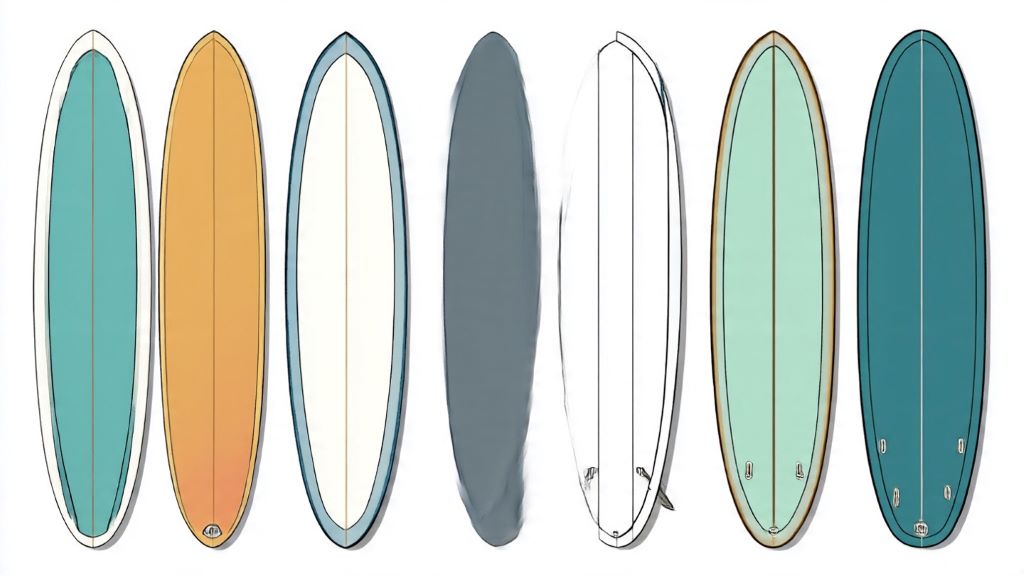
The egg surfboard design dates back to the 1960s and has remained popular for good reason. This classic shape features a wide, rounded nose that tapers to a rounded or pin tail. The outline resembles an egg when viewed from above, hence the name.
Egg surfboards typically measure between 6’6″ and 8’0″ in length. The 8ft version provides extra volume and stability, making it ideal for smaller waves and surfers who want a relaxed riding style. The rounded rails and fuller outline create a smooth, drawn-out turning experience that feels natural and flowing.
Additionally, egg surfboards excel in weak or mushy wave conditions. The extra volume helps maintain speed through flat sections, while the rounded template encourages long, sweeping turns rather than sharp cutbacks. This makes them perfect for point breaks, reef breaks, and beach breaks with mellower waves.
Key Features of 8ft Funboards
Funboards emerged as a hybrid design that bridges the gap between longboards and shortboards. An 8ft funboard typically features a more pointed nose than an egg, with a wider middle section and a narrower tail. This shape creates a different performance profile altogether.
The funboard’s design allows for more aggressive surfing than an egg. The pointed nose cuts through chop more effectively, while the narrower tail enables tighter turns and more radical maneuvers. However, the board maintains enough volume to paddle easily and catch waves without struggle.
Furthermore, funboards often incorporate modern design elements like thruster fin setups and subtle concaves in the bottom. These features enhance performance and responsiveness, particularly in waves with more power. According to Surfline, funboards remain among the most versatile options for progressing surfers who want to develop their skills across different wave types.
Performance Differences in Various Wave Conditions
Wave conditions significantly impact how these boards perform. The 8ft egg surfboard shines in small to medium waves, typically ranging from knee-high to head-high. The rounded template and extra volume help maintain speed in weaker waves, allowing surfers to link sections that might otherwise be unmakeable on smaller boards.
Conversely, the 8ft funboard handles a wider range of conditions. While it performs adequately in small waves, it truly excels when waves reach waist to overhead height. The more refined shape cuts through bumpy conditions better and maintains control when waves have more punch.
In crowded lineups, the egg’s forgiving nature makes it easier to catch waves early. The extra volume and width provide exceptional paddling power, giving you an advantage when competing for waves. Therefore, eggs work particularly well at busy beach breaks where catching waves early matters.
Maneuverability and Turning Characteristics
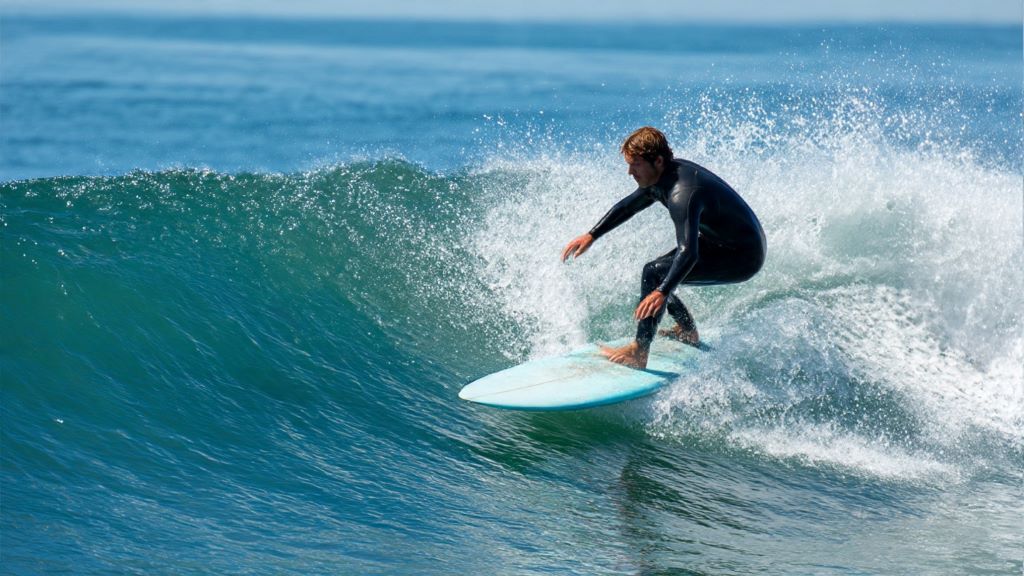
Turning feel differs dramatically between these two board types. The 8ft egg surfboard encourages smooth, flowing turns that follow the wave’s natural contours. The rounded template and fuller rails create a skating sensation, where turns feel drawn out and graceful rather than sharp and aggressive.
The funboard, however, allows for tighter radius turns and more progressive surfing. The narrower tail releases water more quickly, enabling snappier direction changes. Intermediate and advanced surfers often prefer this responsiveness because it allows them to surf more vertically and perform modern maneuvers.
Nevertheless, the egg’s turning style appeals to surfers who appreciate classic surfing aesthetics. The board rewards proper positioning and smooth weight transitions rather than aggressive input. This makes it excellent for learning proper technique and developing style.
Stability and Paddle Power Comparison
Both boards offer excellent stability compared to shorter alternatives. The 8ft egg surfboard provides slightly more stability due to its fuller outline and rounded rails. This makes it particularly forgiving for beginners or surfers returning to the water after a break.
The funboard’s stability comes from its length and volume distribution rather than its outline. While still stable, the more refined shape feels slightly less forgiving than an egg when you’re off balance. This difference becomes most noticeable in choppy conditions or when caught inside by larger sets.
Paddle power remains strong on both designs. The egg’s width and volume create exceptional paddling efficiency, allowing you to catch waves with minimal effort. The funboard paddles well too, though it may require slightly more effort in smaller conditions due to its more streamlined shape.
Which Board Suits Your Skill Level?
Beginners often find the 8ft egg surfboard more approachable. The forgiving nature and stable platform build confidence quickly, allowing new surfers to focus on fundamentals like paddling, positioning, and standing up. The smooth turning characteristics also make learning easier because the board doesn’t respond too sharply to weight shifts.
Intermediate surfers benefit from both designs depending on their goals. If you’re working on style, flow, and classic techniques, the egg provides an ideal platform. However, if you’re pushing toward more progressive surfing with snappier turns and modern maneuvers, the funboard offers better performance potential.
Advanced surfers typically choose based on conditions and desired feel. Many experienced surfers keep both types in their quiver, selecting the egg for smaller days when they want a relaxed session and the funboard for more powerful conditions requiring responsive performance.
Construction Materials and Durability
Modern surfboards come in various construction types that affect performance and longevity. Traditional polyurethane (PU) foam with polyester resin remains popular for both eggs and funboards. This construction provides a classic feel and excellent performance characteristics that many surfers prefer.
Epoxy construction has gained popularity due to increased durability and lighter weight. Epoxy boards typically last longer and resist dings better than traditional PU boards. Additionally, the lighter weight can improve performance, though some surfers find the feel slightly different from traditional construction.
Soft-top versions of both board types offer maximum durability and safety. These boards work particularly well for beginners, surf schools, and surfers who frequently encounter rocky breaks or crowded lineups where collisions might occur.
Price Points and Value Considerations
Pricing varies significantly based on construction, brand, and features. Entry-level 8ft egg surfboards and funboards typically range from three hundred to six hundred dollars. These boards work well for beginners and casual surfers who don’t need premium features.
Mid-range options cost between six hundred and one thousand dollars, offering better construction, improved materials, and refined shapes. These boards suit dedicated surfers who ride regularly and want better performance without breaking the bank.
High-end custom boards can exceed fifteen hundred dollars. These premium options feature custom dimensions, premium materials, and personalized design elements. Serious surfers often invest in custom boards tailored specifically to their size, skill level, and local wave conditions.
Maintenance and Care Requirements
Both board types require similar maintenance. Rinse your board with fresh water after each session to remove salt, sand, and debris. Check regularly for dings or cracks that allow water to enter the foam core, as water damage can ruin a board quickly.
Store your board in a cool, dry place away from direct sunlight. UV exposure degrades foam and resin over time, causing yellowing and weakening the structure. Use a board bag for transport and storage to protect against dings and sun damage.
Repair dings promptly to prevent water infiltration. Small repairs can be done at home with basic ding repair kits, while larger damage may require professional repair. Regular waxing maintains traction, though soft-top boards typically don’t require wax on the deck.
Transportation and Storage Considerations
The 8-foot length makes both boards relatively easy to transport. They fit comfortably on most vehicle roof racks and inside many vans or SUVs. However, they’re too long for most sedan interiors, requiring external storage solutions for transport.
Board bags protect your investment during transport. Padded bags prevent dings from impacts and shield boards from UV damage during extended trips. Day bags work well for local trips, while travel bags with extra padding suit air travel or long road trips.
Storage at home requires adequate space. Wall racks work well for keeping boards off the ground and preventing warping. Freestanding racks accommodate multiple boards if you’re building a quiver. Always store boards horizontally or nose-up to prevent pressure damage to the tail.
Environmental Impact and Sustainable Options
The surfboard industry has made strides toward sustainability. Traditional surfboard construction uses petroleum-based materials that create environmental concerns. However, several companies now offer eco-friendly alternatives that reduce environmental impact without sacrificing performance.
Recycled foam cores reduce waste and use fewer virgin materials. Some manufacturers use bio-based resins derived from plant materials rather than petroleum. These alternatives often perform comparably to traditional materials while reducing the carbon footprint of board production.
Supporting brands committed to sustainable practices helps drive industry change. Research manufacturers’ environmental policies before purchasing. Many companies now transparently share their sustainability efforts, making it easier to make informed choices that align with your values.
Conclusion
Choosing between an 8ft egg surfboard and an 8ft funboard depends on your skill level, preferred surfing style, and typical wave conditions. The egg excels in smaller waves and offers a smooth, flowing ride that appeals to surfers seeking classic style and relaxed sessions. Meanwhile, the funboard provides versatility across various conditions and allows for more progressive, modern surfing techniques.
Beginners often start with eggs due to their forgiving nature and stability. Intermediate surfers might choose based on their progression goals, while advanced surfers may keep both in their quiver for different conditions. Ultimately, both designs offer excellent performance in the popular 8-foot size range, making either choice worthwhile depending on your specific needs and preferences.
Frequently Asked Questions
Can beginners use an 8ft funboard instead of an egg surfboard?
Yes, beginners can successfully use an 8ft funboard. While eggs offer slightly more stability and forgiveness, funboards in this size range still provide enough volume and stability for learning. The funboard may accelerate skill development for motivated beginners who want to progress toward more modern surfing styles.
How much volume should an 8ft egg surfboard have for my weight?
Volume recommendations depend on skill level and weight. Generally, beginners should aim for their body weight in pounds divided by 2 (e.g., 160 lbs = 80 liters). Intermediate surfers can use their weight divided by 2.5, while advanced surfers may prefer their weight divided by 3. However, individual preferences vary.
Which board is better for small summer waves?
The 8ft egg surfboard typically performs better in small, weak summer waves. The extra volume and rounded template maintain speed through flat sections and help you catch waves earlier. The funboard can work in small waves but may feel slightly less efficient when conditions are particularly weak.
Can I use these boards for larger overhead waves?
While possible, neither board is ideal for consistently large overhead waves. The 8ft funboard handles bigger conditions better due to its more refined shape and narrower tail. However, dedicated surfers riding large waves regularly should consider shorter, more performance-oriented boards or longer guns depending on wave size.
How do fin setups differ between egg surfboards and funboards?
Egg surfboards traditionally use single fin or 2+1 (single fin with small side bites) setups that complement the smooth turning style. Funboards typically use thruster (three fin) or quad setups that provide more drive and maneuverability. Some modern eggs also accommodate thruster setups for added versatility.
Related Topics:
Storing bicycles on the terrace: Tips and things to avoid
How to Fit Bike Size Correctly Top Guideline
No Comments