

14 Apr Easy Zero Waste Swaps for Bathroom Products to Go Green
The bathroom is a hub for daily routines, but it’s also a hotspot for waste. Single-use plastics, like shampoo bottles and disposable razors, pile up fast. According to the Environmental Protection Agency, Americans generate about 4.9 pounds of trash per person daily, with bathroom products contributing significantly. Switching to zero waste alternatives can shrink your environmental footprint while keeping your routine intact.
These swaps are simple, affordable, and impactful. Years ago, I struggled with plastic waste cluttering my bathroom. After researching sustainable options, I made small changes that transformed my space into an eco-friendly haven. This guide shares practical tips to help you do the same. Whether you’re a beginner or a seasoned eco-warrior, these ideas will inspire you to rethink your bathroom habits. Let’s dive into easy swaps that make a big difference.
Why Zero Waste Swaps Matter
Adopting zero waste swaps isn’t just trendy; it’s essential. Bathrooms generate tons of plastic waste yearly. The Ocean Conservancy reports that 8 million metric tons of plastic enter oceans annually, harming marine life. Many bathroom products, like toothpaste tubes, aren’t recyclable due to mixed materials. Zero waste swaps reduce landfill contributions and conserve resources. For example, replacing plastic bottles with bars saves packaging and shipping emissions. Personally, switching to shampoo bars opened my eyes to how small changes add up.
My bathroom trash dwindled, and I felt empowered knowing I was helping the planet. These swaps also save money over time. Refillable products or durable items, like bamboo toothbrushes, cut long-term costs. Plus, sustainable brands often prioritize natural ingredients, benefiting your health. By choosing zero waste, you’re voting for a cleaner Earth with every purchase. To keep things organized, I store my eco-friendly products in a stylish box for decorations, adding both function and charm to my bathroom. Let’s explore specific swaps to get started.
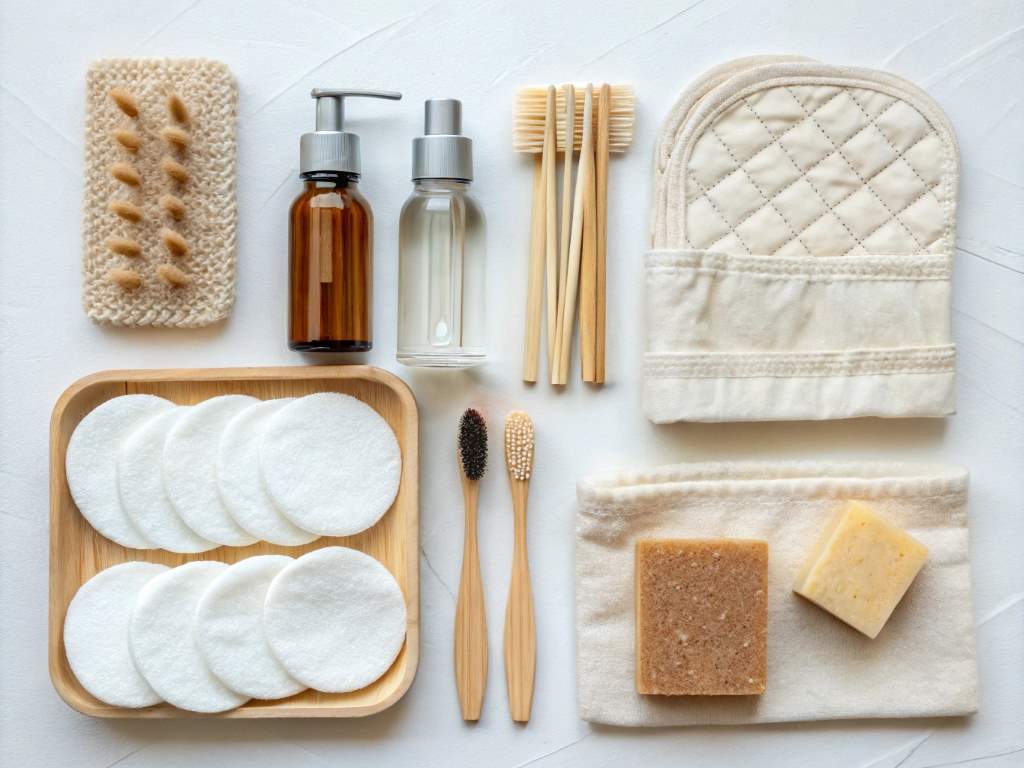
Swap Plastic Toothbrushes for Bamboo
Plastic toothbrushes are a recycling nightmare. Most end up in landfills, taking centuries to break down. Bamboo toothbrushes are a fantastic alternative. They’re biodegradable, and many brands offer compostable bristles. A study by the National Geographic Society notes that 1 billion plastic toothbrushes are discarded yearly in the U.S. alone. Switching to bamboo cuts this number significantly. I made this swap two years ago and love how lightweight they feel. Look for FSC-certified bamboo to ensure sustainable sourcing. Some brands, like Brush with Bamboo, even provide recycling programs for bristles.
To maintain hygiene, store them in a dry, ventilated holder. Replace every three months, just like plastic ones. Composting the handle is easy—just snap off the bristles. This swap is affordable, with bamboo brushes costing $3–$5 each. Pair with toothpaste tablets for a fully zero waste oral care routine. Your smile and the planet will thank you.
Ditch Disposable Razors for Safety Razors
Disposable razors are convenient but wasteful. Americans toss out 2 billion razors annually, per the EPA. Safety razors, made of stainless steel, are durable and eco-friendly. They use replaceable blades, reducing plastic waste. Initially, I was nervous about the learning curve, but after a few tries, shaving became smoother than ever. Safety razors cost $20–$50 upfront, but blades are pennies each, saving money long-term. Brands like Rockwell offer adjustable settings for beginners. To use, hold at a 30-degree angle and let the razor’s weight guide you.
Store in a dry case to prevent rust. Recycle used blades at scrap metal facilities. Pair with a shaving soap bar to eliminate plastic cans. This swap feels luxurious and cuts waste dramatically. For extra sustainability, choose brands with plastic-free packaging. Safety razors prove that eco-friendly choices can elevate your routine without sacrifice.
Replace Shampoo Bottles with Bars
Shampoo bottles clutter bathrooms and landfills. The Plastic Pollution Coalition estimates 550 million shampoo bottles are discarded yearly in the U.S. Shampoo bars are a game-changer. They’re concentrated, plastic-free, and last longer—often 50–80 washes. I switched to a lavender-scented bar last year, and my hair feels healthier. Bars are made with natural ingredients, avoiding harsh chemicals. To use, rub between wet hands or directly on hair, then lather. Store in a tin or on a draining dish to extend life.
Brands like Ethique offer bars for all hair types, from oily to curly. One bar replaces two to three bottles, saving space and waste. They’re travel-friendly, too—no liquid restrictions. For conditioners, solid bars work just as well. Look for sulfate-free options to protect your scalp. This swap is fun, effective, and slashes plastic use. Try it, and you’ll wonder why you didn’t switch sooner.
Use Reusable Cotton Pads Instead of Disposables
Disposable cotton pads for makeup removal create heaps of waste. A single person can use thousands yearly, most ending in landfills. Reusable cotton pads, made from bamboo or organic cotton, are washable and durable. I started using them last summer and was amazed at how soft they are. A pack of 10–20 costs $10–$15 and lasts years with proper care. To use, apply your usual cleanser, wipe gently, then toss in a mesh laundry bag.
Wash with regular laundry—no special detergents needed. Some brands include a storage tin for convenience. According to Zero Waste Week, swapping to reusables can save 2,000 pads per person annually. They’re gentle on skin and reduce microplastic pollution from synthetic wipes. For tough makeup, pair with a natural oil cleanser. This swap is effortless and feels indulgent. Keep a few by your sink, and you’ll never go back to disposables.
Switch to Bar Soap for Body and Hands
Liquid soap in plastic pumps is convenient but wasteful. Bar soap is a classic zero waste option. It’s versatile, affordable, and widely available in plastic-free packaging. The Soap and Detergent Association notes that bar soaps have a lower environmental impact due to minimal packaging. I switched to unscented bars for sensitive skin and noticed less irritation.
Choose bars with natural ingredients, like olive oil or shea butter, for hydration. To extend life, use a soap dish with drainage. One bar lasts weeks, even with daily use. For handwashing, keep a small bar by the sink. Brands like Dr. Bronner’s offer multipurpose bars for body, hands, and even shaving. If you prefer liquid, refillable glass dispensers work with bulk soap from zero waste stores. This swap saves money and space while cutting plastic waste. Experiment with scents to make your routine enjoyable.
Try Menstrual Cups or Reusable Pads
Menstrual products generate massive waste. The Women’s Environmental Network states that one person uses 11,000 disposable pads or tampons in a lifetime. Menstrual cups, made of medical-grade silicone, are reusable for up to 10 years. I was hesitant at first but found cups comfortable after practice. They cost $20–$40 and hold more than tampons, reducing leaks. To use, fold, insert, and empty every 4–12 hours, depending on flow. Boil between cycles for hygiene. Reusable cloth pads are another option, offering comfort and easy washing.
A set of 5–10 costs $15–$30 and lasts years. Both options save money and reduce landfill waste. For teens or beginners, brands like Saalt offer smaller cups. Always follow cleaning instructions to avoid infections. These swaps empower you to manage periods sustainably.
Opt for Refillable Dental Floss
Traditional floss comes in plastic cases, often non-recyclable. Refillable dental floss, housed in glass or metal containers, is a smart swap. Floss refills are biodegradable, often made from silk or bamboo fiber. I started using a stainless steel dispenser last year, and it feels sleek and sturdy. A starter kit costs $8–$15, with refills at $5–$7. To use, pull a strand, wrap around fingers, and floss as usual. Store in a dry spot to prevent mold.
According to the American Dental Association, flossing daily prevents cavities, so don’t skip it. Biodegradable floss breaks down naturally, unlike nylon, which lingers in landfills. Some brands, like Dental Lace, offer vegan options. This swap is simple and elevates your oral care routine. Pair with a bamboo toothbrush for a fully sustainable smile. Small changes like this prove eco-friendly habits are achievable.
Conclusion
Zero waste swaps transform your bathroom into a sustainable sanctuary. From bamboo toothbrushes to shampoo bars, each change reduces waste and supports a healthier planet. My journey began with one swap—shampoo bars—and snowballed into a lifestyle I love. You don’t need to overhaul everything at once. Pick one swap, like reusable pads or safety razors, and build from there. These choices save money, cut clutter, and align with eco-conscious values. The EPA highlights that reducing waste at home can lower global emissions significantly. Every step counts. Explore brands, experiment with products, and share your progress.
FAQs
Why should I switch to zero waste bathroom products?
Zero waste products reduce plastic pollution, save money, and promote healthier ingredients for you and the environment.
Are zero waste swaps expensive?
Most swaps, like bamboo toothbrushes or bar soap, cost less over time compared to single-use items.
How do I clean reusable cotton pads?
Toss them in a mesh bag and wash with regular laundry. No special detergents are needed.
Are menstrual cups safe for beginners?
Yes, with practice, cups are safe and comfortable. Start with a smaller size for ease.
Where can I buy zero waste bathroom products?
Check local zero waste stores, online retailers like Package Free Shop, or brands’ websites.
No Comments