
09 Nov How to Stop Basement Flooding During the Spring Thaw
basement flooding spring thaw arrives quietly: the snowbank beside your foundation shrinks, the driveway turns to slush, and water starts seeping under the basement door. The ground is still frozen a few inches down, so meltwater has nowhere to go but toward your walls. That short window, usually a few weeks, causes more wet basements than any summer storm.
Quick answer: clear snow and ice away from the foundation, make sure the ground slopes away from the house, and check that your sump pump and floor drain are working before the melt peaks. Most spring seepage comes from water pooling against the walls, not from a failed foundation.
This guide explains what the spring thaw does to your basement, which fixes matter most, and which mistakes turn a damp corner into a flooded room.
What is basement flooding spring thaw?
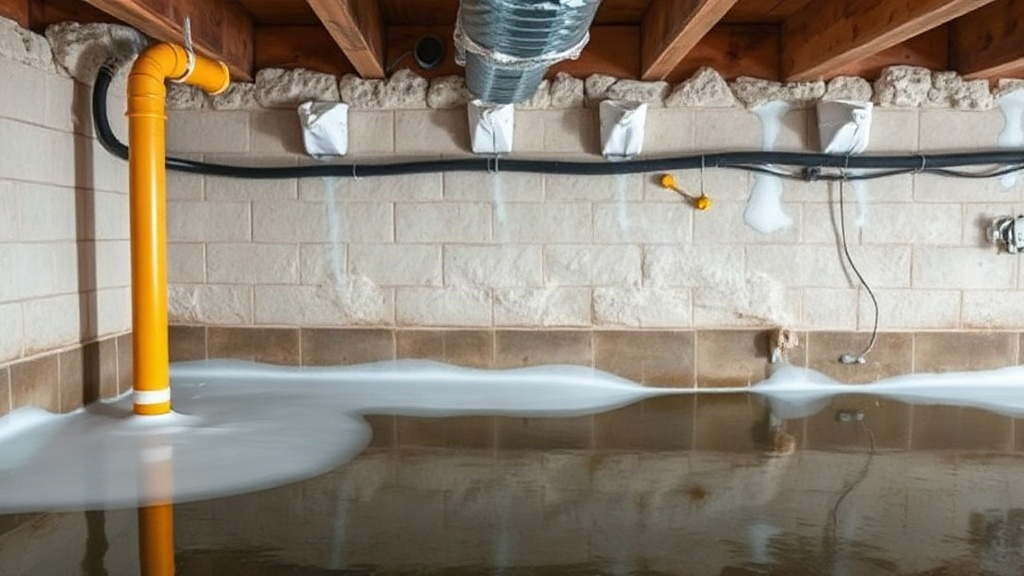
Spring thaw flooding is water entering a basement because melting snow and rain cannot drain away fast enough. The trigger is a frozen layer of soil, often called a frost layer, sitting a foot or two below the surface. It acts like a lid. Meltwater from the yard, roof, and street soaks into the top inch or two and then stops.
That water spreads sideways until it reaches the easiest opening. The typical entry points are:
- The joint where the wall meets the floor slab, which is a common seepage path.
- Hairline cracks in poured concrete walls, especially vertical cracks that widen slightly with frost movement.
- Window wells, which fill like small buckets if they lack a cover or drain.
- The base of basement doors and garage steps, where the sill sits below the surrounding grade.
- Weeping tile that has clogged or collapsed, so groundwater has no path to the storm sewer.
Rain adds to the problem. A single spring storm dropping an inch of rain on saturated, still-frozen ground can push more water against a foundation in an hour than a full day of gentle melt. The ground cannot absorb it, so every downspout and every low spot becomes a delivery channel.
Timing matters too. The worst days come when a warm, rainy stretch follows a deep snowpack. Daytime melt feeds the soil, the frost layer blocks the exit, and water collects like a bathtub around the house. Once the frost leaves the ground, the same weather usually causes far less trouble.
Hydrostatic pressure is the force behind most spring seepage. Water-saturated soil pushes against walls and slabs, which is why a basement can leak on a dry, sunny day after heavy melt.
Watch the low corner of your yard and the base of your walls during the first warm week. If puddles linger there for more than a day, the thaw water is already stacking up.
Takeaway: spring thaw flooding is a drainage-timing problem; the ground releases water faster than it can absorb it.
Why basement flooding spring thaw matters

The damage goes well beyond a wet floor. Water that enters through the wall-floor joint often soaks the insulation, drywall, and framing behind it. That hidden moisture feeds mold within roughly 24 to 48 hours in a warm basement. A musty smell in May is often the first sign that February’s melt never fully dried.
Cost is the other reason to care. A shop vac and a fan handle an inch of clean seepage. Sewage backing up through a floor drain is a different category: it requires professional cleanup, and replacing a finished basement can run into tens of thousands of dollars depending on size and materials. Insurance often covers sudden water damage from a burst pipe but excludes gradual seepage, so a slow leak can land entirely on you.
There is a seasonal trap as well. The thaw is short, so people fix the obvious puddle and move on. Months later, warped baseboards, buckled laminate, and cracked floor tiles reveal the water was spreading under the slab the whole time.
The inside of the basement is a lagging indicator. By the time you see water on the floor, the soil outside has likely been saturated for days.
Spring also brings the freeze-thaw cycle. Water in a hairline crack freezes overnight, expands, and widens the crack. Repeat that a dozen times and a pinhole leak becomes a steady trickle. Add road salt and spring runoff to window wells and the concrete spalls a little more each year.
Your home’s resale value feels it too. A basement with a documented history of spring flooding invites hard questions from buyers and inspectors. A basement with a clear record of grading, sump maintenance, and dry walls does not.
Takeaway: spring thaw water does its worst damage out of sight; treat hidden moisture as seriously as visible puddles.
Best practices
Start outside, because that is where the water comes from. The single most effective step is getting meltwater away from the foundation before it can pool. Most of the work fits into one weekend before the first warm spell.
- Shovel snow away from the walls. Clear a strip three to four feet wide around the foundation, and pile snow well away from the house. This one step removes the water source closest to the basement.
- Check the grade. The soil should slope away from the walls at roughly six inches over the first ten feet. If the ground has settled against the foundation, add clean fill and pack it to restore the slope.
- Extend downspouts. Discharge should land at least four to six feet from the wall, ideally onto a splash block or into a buried line that drains downhill.
- Clear window wells and drains. Remove leaves and ice, confirm the well drains, and fit a cover if it does not.
- Test the sump pump. Pour a bucket of water into the pit and watch the float trip. A pump that hesitates in April will fail in the worst downpour.
- Check the floor drain. If it smells or drains slowly, it may be blocked or connected to a backwater valve that needs testing.
Indoors, keep a wet-dry vacuum, a few fans, and a moisture meter on hand. A moisture meter costs less than a dinner out and tells you whether a wall is actually dry after cleanup. Wipe up seepage within a few hours and run a dehumidifier until the reading returns to normal.
A battery backup for the sump pump earns its cost during spring storms, which are also when the power tends to go out. Choose a unit rated for your pump’s run current.
If a floor drain sits below street level, ask a plumber about a backwater valve. It closes automatically when the municipal sewer backs up and stops city water from entering your basement.
Takeaway: most spring thaw flooding is preventable with grading, downspout extensions, and a working sump pump.
Common mistakes to avoid
The biggest error is sealing cracks on a wet wall. Waterproof paint or hydraulic cement applied to damp, cold concrete rarely bonds well. The water pushes it off from behind, and you have spent money on a fix that peels within a season. Dry the wall first, then repair.
Clearing snow at the wrong time is the second trap. People shovel the walk but leave a snowbank pressed against the foundation. That bank is the closest water source. Move it first.
A few more:
- Ignoring the sump discharge line. If it freezes or empties back against the foundation, the pump works against you. Check the outlet before the thaw starts.
- Storing valuables on the floor. Boxes, rugs, and electronics on the slab absorb seepage fast. Use shelves or plastic bins.
- Relying on a dehumidifier alone. A dehumidifier dries air, not standing water. Remove the water first.
- Skipping the insurance call. Many standard policies exclude groundwater seepage. Confirm your coverage, and ask whether a sewer backup rider is available.
One local myth deserves a warning. A trickle of water from the floor is not “the foundation breathing” or something to leave for the season. Any steady entrance point will widen with each freeze-thaw cycle.
Never enter a flooded basement if water is near outlets, appliances, or the panel. Turn off power at the main breaker from a dry location, or call an electrician first.
Keep a calendar note for early March. A fifteen-minute check of the sump pit, downspouts, and window wells before the melt peak prevents most of these mistakes.
Takeaway: fixing cracks and clearing snow in the right order is what separates a dry basement from a costly cleanup.
FAQ
How much does it cost to fix spring thaw basement flooding?
Cost depends on the cause. Extending downspouts and regrading usually run a few hundred dollars in materials. A sump pump replacement typically costs several hundred to over a thousand installed. Full waterproofing with interior drain tile can reach five figures. Diagnose the entry point before budgeting.
When should I call a professional instead of handling it myself?
Call a waterproofing contractor if water enters through multiple points, if the wall shows horizontal cracks or bowing, or if seepage continues weeks after the ground thaws. Those signs suggest structural or drainage problems that patching will not solve.
Does spring thaw flooding smell worse than other water damage?
It often does. Meltwater picks up soil, road salt, and organic debris, then sits in a warm basement. That cocktail smells musty within days. Clean and dry the area quickly, and replace any soaked cardboard or fabric.
Can I prevent spring thaw flooding entirely?
You can prevent most of it, not all of it. Grading, downspout extensions, clear window wells, and a working sump pump handle the common causes. Unusual weather, such as a fast melt after a record snowpack, can still overwhelm a good system.
How long does the spring thaw flooding risk last?
Usually two to four weeks, depending on snowpack, soil type, and how fast temperatures rise. The risk peaks when warm rain follows deep snow. Watch the forecast, and stay alert until puddles stop forming in the yard.
Conclusion
Spring thaw flooding comes down to water with nowhere to go, and the fix is mostly about giving it an exit. Clear snow from the walls, keep the grade sloping away, extend downspouts, and test the sump pump before the first warm week. Fix cracks only when the wall is dry, and check your insurance for seepage and sewer backup coverage.
The thaw is coming whether you are ready or not, so use the next cold weekend. Walk the perimeter of your house with a shovel and a flashlight, and start with the snowbank against the foundation. That small job may keep your basement dry all spring.
No Comments