
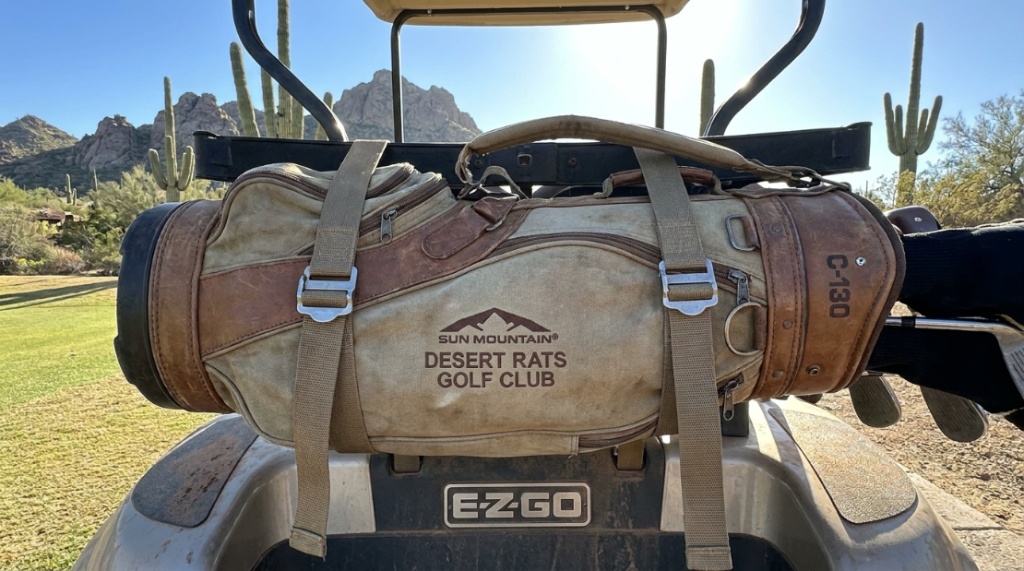
08 Sep How to Get a Secure Golf Cart Bag for Arizona Golf
Arizona golf is a different beast. Between the blazing summer heat, the constant cart-path-only restrictions on desert courses, and the aggressive winds that roll through the Valley, your equipment takes a beating. If you’ve ever rounded a tight dogleg only to find your bag tipped over in the middle of the cart path, or watched your driver slide across the concrete as you hit a bump, you know the frustration. The solution isn’t just any bag—it’s finding a secure golf cart bag that actually locks into place and protects your clubs through 18 holes of rugged desert terrain. This guide breaks down exactly what to look for, how to secure your bag properly, and why the Arizona climate demands more than a standard carry bag.
Key Takeaways
- A secure golf cart bag uses a locking base plate system that clicks into a cart-mounted cradle, preventing tipping and sliding on uneven desert terrain.
- Arizona’s extreme heat and UV exposure require bags made with high-denier nylon or synthetic leather that won’t crack or fade after a full season of summer play.
- Cart-path-only rules on many Arizona courses mean your bag will spend more time on the cart than on your shoulder, making secure locking mechanisms a priority over lightweight materials.
- Look for bags with reinforced bases and molded tops to prevent club tangle and bag distortion when riding over rough cart paths.
- Before buying, verify compatibility with your specific cart model—not all locking systems fit every cart brand used at Arizona resorts and municipal courses.
Why a Standard Golf Bag Isn’t Enough for Arizona Courses
Most golfers start with a lightweight stand bag or a basic cart bag. In Arizona, that’s a recipe for frustration. Desert courses like Troon North, We-Ko-Pa, and Grayhawk feature dramatic elevation changes, rocky cart paths, and high winds that can knock over an unsecured bag in seconds. A standard bag sits loosely in the cart’s well, shifting with every turn and bump. Over time, this constant movement causes club shafts to rattle against each other, grips to wear prematurely, and the bag’s base to warp from repeated impact.
A secure golf cart bag solves this by integrating a locking mechanism that physically attaches the bag to the cart. This isn’t just about convenience—it’s about protecting your investment. A single hard stop on a hilly cart path can send an unsecured bag flying, potentially snapping a graphite shaft or denting a putter. The locking system eliminates that risk entirely.
What Makes a Golf Cart Bag “Secure”?
Not every bag labeled “cart bag” is actually secure. The term gets thrown around loosely. A truly secure bag has specific design features that distinguish it from a standard cart bag. Understanding these features helps you make an informed purchase rather than relying on marketing buzzwords.
The Locking Base Plate System
The most reliable security feature is a rigid base plate integrated into the bottom of the bag. This plate aligns with a cradle or bracket mounted on the cart’s bag well. When you set the bag down, it clicks into place, holding the bag firmly even on steep inclines. The Echo T-Lock system is one example of this design, but other manufacturers offer similar proprietary locking mechanisms. The key is that the bag doesn’t just sit in the well—it attaches to it.
Strap Pass-Through Design
Some secure bags feature reinforced strap channels that allow the cart’s existing ratchet straps to thread through the bag’s structure rather than around it. This prevents the bag from sliding sideways when the cart turns sharply. Look for bags with molded or reinforced strap tunnels that won’t crush or deform over time.
Low Center of Gravity
A secure bag is also a stable bag. Models designed for cart use typically have a wider, flatter base and place heavier pockets lower on the body. This lowers the center of gravity, making the bag less likely to tip even if the locking mechanism isn’t engaged. This is particularly important on Arizona courses where wind gusts can exceed 30 mph during monsoon season.
Key Features to Prioritize for Arizona’s Climate
Arizona’s environment is uniquely harsh on golf equipment. Temperatures routinely exceed 110°F in June and July, and UV radiation at high elevation is intense. The dry air also causes materials to dry out and crack faster than in humid climates. When shopping for a secure cart bag, prioritize features that address these specific conditions.
UV-Resistant, High-Denier Fabric
Look for bags made from 1200D or 1680D nylon. These materials resist UV degradation and won’t fade after a few months in the desert sun. Avoid bags with large panels of cheap vinyl or PVC, which become brittle and crack in extreme heat. A bag with a waterproof or water-resistant coating is also beneficial for the occasional summer thunderstorm that rolls through unexpectedly.
Heat-Resistant Zippers and Hardware
Cheap plastic zippers and buckles fail quickly in Arizona heat. Prioritize bags with metal or high-grade polymer hardware. YKK zippers are a good benchmark for quality. Also, check that the zipper pulls are large enough to grip easily while wearing a golf glove—this is a small detail that makes a big difference in daily use.
Ventilated or Insulated Pockets
Heat damages more than just the bag. Your phone, rangefinder, and snacks can overheat in a closed pocket. A secure cart bag with a dedicated insulated cooler pocket or a ventilated valuables pouch helps protect your gear. Some premium bags include a thermal-lined pocket specifically for electronics, which is worth the extra cost in Arizona.
How to Properly Secure Your Bag to the Cart
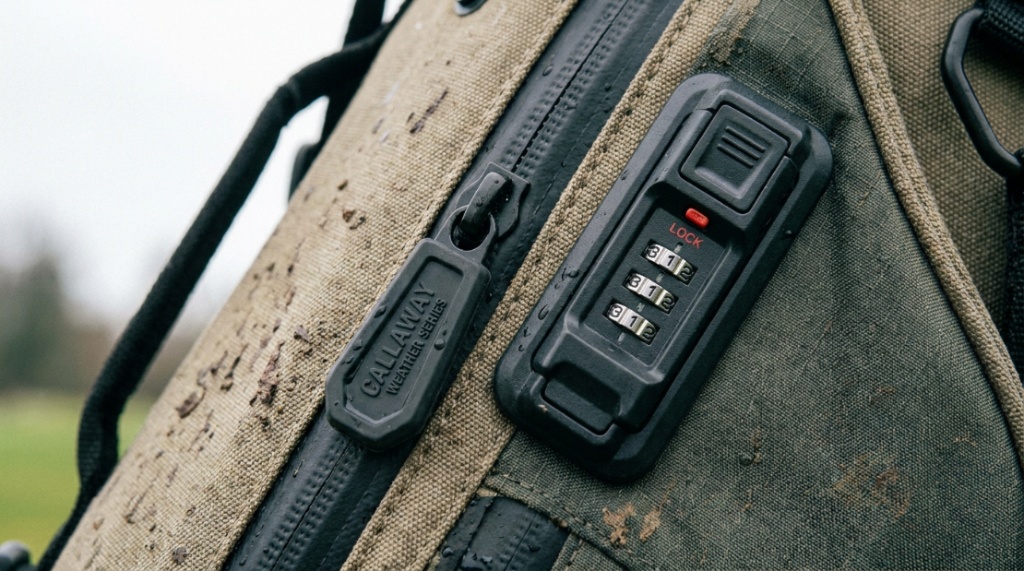
Even the best locking bag won’t protect your clubs if you don’t secure it correctly. Many golfers make simple mistakes that compromise the bag’s stability. Follow these steps every time you load your bag onto a cart.
Step 1: Align the Base Plate
Position the bag in the cart well so the base plate aligns with the cart’s cradle or bracket. Most locking systems require the bag to face a specific direction. Check the alignment marks on the bag’s base or the cart’s well to ensure proper orientation. Forcing the bag into place when misaligned can damage the locking mechanism.
Step 2: Engage the Locking Mechanism
Press down firmly on the bag until you hear or feel a click. Some systems require a slight twist to lock. If your bag uses a strap-based system, thread the cart’s straps through the designated channels and tighten them until the bag is snug but not compressed. Over-tightening can warp the bag’s frame.
Step 3: Test for Movement
Before driving off, grab the top handle and try to shake the bag. It should not move more than an inch in any direction. If it shifts significantly, re-engage the locking mechanism or adjust the straps. A properly secured bag feels like it’s part of the cart.
Step 4: Secure Loose Items
Even with a locked bag, loose items on top of the bag or in open pockets can fly out during the round. Always zip all pockets fully and secure any loose headcovers or gloves under the bag’s straps. This prevents distractions and keeps the cart area clean.
Comparing Locking Systems: Which One Is Right for You?
Not all locking systems are created equal. The right choice depends on your cart usage, budget, and how often you walk versus ride. Here’s a breakdown of the most common secure bag systems available today.
| System Type | How It Works | Best For | Limitations |
|---|---|---|---|
| Base Plate Lock (e.g., Echo T-Lock) | Rigid plate on bag clicks into cart-mounted cradle | Golfers who always ride and want maximum stability | Requires compatible cart cradle; may not fit all cart brands |
| Strap Channel System | Reinforced tunnels guide cart straps through the bag body | Golfers who use various carts and need universal fit | Less rigid than base plate locks; still relies on strap tension |
| Hybrid Locking | Combines base plate with strap channels for dual security | Serious golfers who play multiple courses with different carts | Heavier and more expensive than single-system bags |
If you primarily play at one club with a consistent cart fleet, a base plate lock is the most secure option. If you travel to different courses or play in tournaments where carts vary, a hybrid system offers the best flexibility without sacrificing security.
Common Mistakes Golfers Make with Cart Bags
Even with the right bag, golfers make avoidable errors that reduce security and shorten the bag’s lifespan. Being aware of these mistakes helps you get more value from your purchase,
Before hitting the course with your new gear, consider how upgrading your setup can impact your overall performance; read our guide on what does it mean to upgrade to the latest golf equipment in 2026? to stay ahead of the curve.
Ignoring Cart Compatibility
Not every secure bag fits every cart. Some locking systems are proprietary to specific cart manufacturers like Club Car or Yamaha. Before purchasing, check the bag’s compatibility list or contact the manufacturer. A bag that doesn’t fit your cart is just an expensive standard cart bag.
Overloading the Pockets
Filling every pocket with heavy items—like a full water bottle, 20 extra balls, and a heavy rain suit—shifts the bag’s center of gravity. Even a locked bag can become unstable if it’s excessively heavy on one side. Distribute weight evenly and remove unnecessary items before the round.
Leaving the Bag in the Car
Arizona heat can warp plastic components and weaken adhesives in golf bags. Never leave your bag in a closed car trunk during summer. The interior temperature can exceed 150°F, causing irreversible damage. Store your bag indoors or in a shaded, ventilated area between rounds.
Maintenance Tips to Extend the Life of Your Bag
A secure cart bag is an investment. With proper care, it can last five years or more, even in Arizona’s harsh climate. Simple maintenance routines go a long way.
- Clean after every round: Wipe down the bag with a damp cloth to remove dust, sand, and grass clippings. Pay special attention to zippers and the locking mechanism.
- Lubricate zippers: Apply a silicone-based zipper lubricant every few months to prevent sticking and corrosion from dust.
- Inspect the locking mechanism: Check the base plate and locking tabs for wear or debris. Clean out any sand that accumulates in the locking area.
- Store upright: Never store the bag on its side. This puts pressure on the top and can deform the frame over time.
- Use a rain hood: Even in Arizona, monsoon storms appear quickly. A rain hood protects the bag’s top and your clubs from sudden downpours.
Frequently Asked Questions
Can I use a secure cart bag on a push cart?
Yes, but with limitations. Most secure cart bags are heavier than standard bags, which makes them cumbersome on push carts. The locking base plate may also interfere with the push cart’s straps. If you primarily walk with a push cart, consider a lighter hybrid bag instead of a full locking system.
Are secure cart bags compatible with all golf cart brands?
No. Compatibility varies by manufacturer. Some systems are designed specifically for Club Car, Yamaha, or E-Z-GO carts. Always check the bag’s specifications or contact the manufacturer to confirm compatibility with your course’s cart fleet.
How much heavier is a secure cart bag compared to a standard one?
Secure cart bags typically weigh between 6 and 8 pounds, compared to 4 to 5 pounds for a standard cart bag. The added weight comes from the reinforced base plate, heavier fabric, and additional structural support. The trade-off is significantly better stability and protection.
Will a locking base plate scratch the cart’s finish?
Most locking systems use rubber or plastic contact points that are designed to be non-abrasive. However, sand and dirt can get trapped between the bag and the cart, causing scratches over time. Wipe down the cart’s bag well before loading your bag to minimize this risk.
Do I need a special cart to use a secure bag?
No, but you may need to install a mounting cradle. Some bags come with a universal mounting bracket that attaches to the cart’s existing bag well. Installation typically takes less than five minutes and requires only basic hand tools.
Conclusion
Playing golf in Arizona is a privilege, but it comes with unique challenges that demand the right equipment. A secure golf cart bag isn’t just a luxury—it’s a practical necessity for protecting your clubs, maintaining your pace of play, and avoiding the frustration of a tipped bag on a desert course. Focus on locking mechanisms, UV-resistant materials, and proper cart compatibility when making your choice. Take the time to secure your bag correctly before every round, and maintain it regularly to ensure it lasts through many Arizona summers. With the right bag and a few good habits, you can focus on your game instead of worrying about your equipment.
No Comments