

11 Sep Is Crown Whitening Covered by Dental Insurance?
A bright, white smile can boost confidence and leave a lasting impression. Teeth whitening is a popular cosmetic procedure that can dramatically enhance your appearance. However, many people wonder if their dental insurance covers this treatment. Let’s delve into the world of dental insurance and crown whitening to shed light on this common question.
Understanding Dental Insurance Coverage
Dental insurance is designed to cover essential oral healthcare services, such as routine check-ups, cleanings, fillings, and extractions. These procedures are considered preventive or restorative, meaning they maintain or restore oral health. However, the landscape of dental insurance coverage can be complex, and it’s essential to understand the nuances.
Crown Whitening: The Cosmetic Conundrum
Teeth whitening is primarily categorized as a cosmetic procedure. Unlike restorative treatments that address dental problems, cosmetic procedures aim to improve the appearance of your teeth. While many people desire a whiter smile for aesthetic reasons, dental insurance companies often view these procedures as optional rather than medically necessary.
Consequently, most dental insurance plans do not cover the cost of teeth whitening. This means you’ll typically be responsible for the entire expense out-of-pocket. However, there are a few exceptions to this general rule.
Exceptions to the Rule
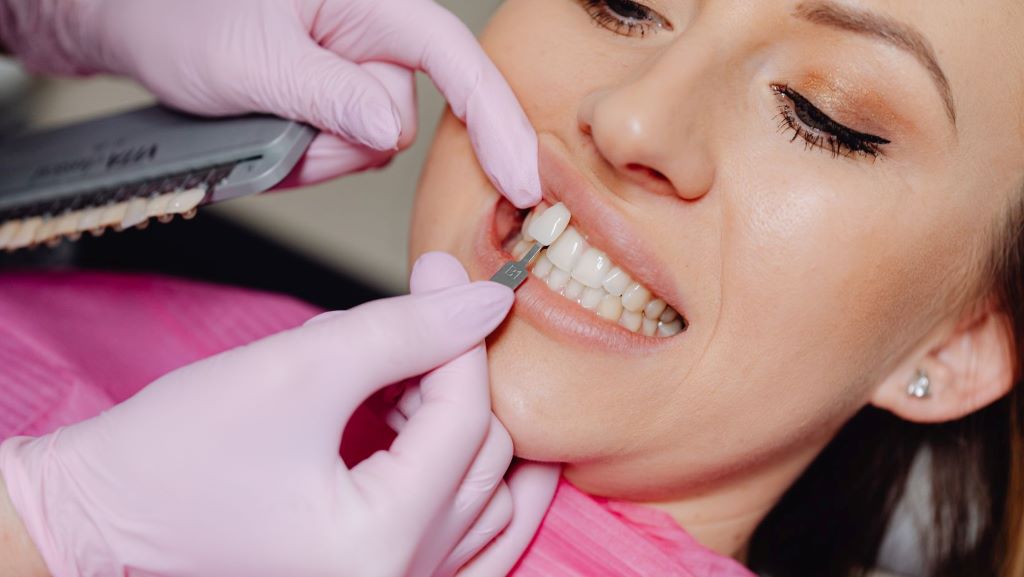
Although rare, some dental insurance plans may offer limited coverage for teeth whitening under specific circumstances. These exceptions usually involve:
- Dental Plans with Comprehensive Coverage: A small percentage of dental plans with extensive coverage might include a modest allowance for cosmetic procedures, including whitening.
- Flexible Spending Accounts (FSAs) or Health Savings Accounts (HSAs): If your employer offers these accounts, you might be able to use pre-tax dollars to cover teeth whitening expenses.
- Dental Insurance with Specific Riders: In some cases, you can purchase additional coverage, or a rider, for cosmetic procedures. This can provide partial or full coverage for teeth whitening.
Factors Affecting Coverage
Even if your dental plan includes some cosmetic coverage, the specific details of your policy will determine the extent of reimbursement. Key factors to consider include:
- Annual Maximum: This is the total amount your insurance will pay for dental care in a given year. If you’ve already used a significant portion of your annual maximum on other procedures, you might have limited funds available for whitening.
- Deductible: You’ll need to meet your deductible before insurance benefits kick in.
- Co-pay: This is a fixed amount you pay for each dental visit or procedure.
- Coinsurance: This is a percentage of the cost you’re responsible for after meeting your deductible.
Alternatives to Dental Insurance Coverage
If your dental insurance doesn’t cover teeth whitening, don’t despair. Several options can help you achieve your desired smile without breaking the bank:
- Over-the-Counter Whitening Products: These products, such as whitening strips and gels, offer a more affordable way to brighten your teeth. However, they may not provide the same dramatic results as professional whitening treatments.
- Dental Practice Promotions: Many dental practices offer special discounts or packages for teeth whitening.
- Payment Plans: Your dentist might provide flexible payment plans to help spread the cost of treatment.
Related: Who is at Risk for Stress Ulcers?
Crown Whitening: Choosing the Right Whitening Method
Whether you opt for professional or at-home whitening, it’s essential to prioritize oral health. Before undergoing any whitening treatment, consult with your dentist to ensure your teeth are healthy and suitable for the procedure. They can also recommend the best whitening method for your specific needs and guide you in maintaining your results. Additionally, if you have dental crowns, you may want to explore Ideascreenplus review on how to whiten crowns, as traditional whitening methods may not be effective for these restorations.
Remember: While teeth whitening can enhance your smile, it’s crucial to maintain good oral hygiene through regular brushing, flossing, and dental check-ups. By combining professional care with proper at-home practices, you can enjoy a dazzling smile that lasts.
By understanding the intricacies of dental insurance coverage and exploring alternative options, you can make informed decisions about teeth whitening and achieve a brighter, more confident smile.
No Comments