

19 Jan How to Cook Meat Into Soft Foods for Braces
Getting braces can completely change how you eat. Tough, chewy meats become difficult to manage. However, you don’t have to give up protein entirely. Learning how to cook meat until it’s tender and braces-friendly makes mealtime much easier.
This guide shows you exactly how to transform different types of meat into soft, easy-to-eat foods. You’ll discover cooking methods, preparation tips, and specific techniques that work perfectly for anyone wearing braces.
Why Meat Becomes Difficult With Braces
Braces create several challenges when eating meat. The brackets and wires make chewing harder. Additionally, tough meat fibers can get stuck between your teeth and braces. This creates discomfort and increases cleaning time.
Hard or chewy meats put pressure on your brackets. This pressure might loosen the brackets or cause pain. Therefore, making meat softer protects your braces and makes eating more comfortable.
Best Cooking Methods for Soft Meat
Different cooking techniques produce different textures. Some methods naturally create tender, braces-friendly results.
Slow Cooking
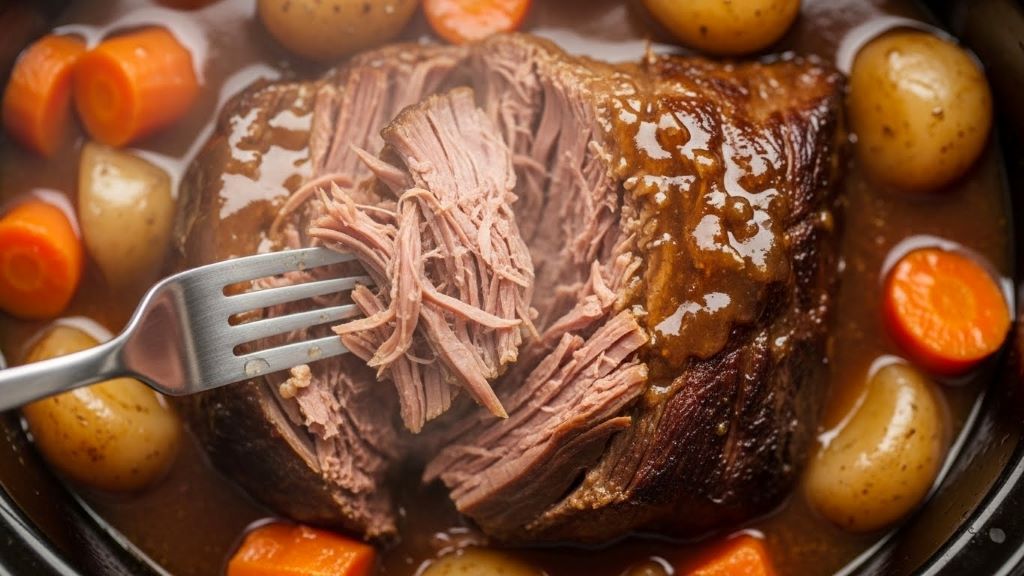
Slow cooking breaks down tough muscle fibers over time. This method works wonderfully for tougher cuts of meat. Place your meat in a slow cooker with liquid and cook on low heat for six to eight hours.
The long cooking time transforms even the toughest cuts into fork-tender pieces. Moreover, slow cooking requires minimal effort. You simply add ingredients and let the cooker do the work.
Pressure Cooking
Pressure cookers speed up the tenderizing process. These appliances use steam and pressure to break down meat fibers quickly. A tough roast becomes tender in about 45 minutes instead of several hours.
This method preserves moisture better than many other techniques. Consequently, your meat stays juicy while becoming soft enough for braces.
Braising
Braising combines searing and slow cooking in liquid. First, brown your meat in a hot pan. Then, add liquid and simmer covered for one to three hours.
This technique creates incredibly tender results. The liquid keeps the meat moist throughout cooking. Furthermore, braising develops rich, deep flavors that enhance your meal.
Poaching
Poaching involves cooking meat in barely simmering liquid. This gentle method works especially well for chicken and fish. The low temperature prevents meat from becoming tough or dry.
Poached chicken becomes soft and easy to shred. You can then incorporate it into various dishes. Additionally, poaching is one of the healthiest cooking methods available.
Selecting the Right Cuts of Meat
Some cuts naturally become tender more easily than others. Choosing appropriate cuts saves time and guarantees better results.
Best Beef Cuts
Chuck roast contains connective tissue that breaks down beautifully during slow cooking. Brisket also becomes wonderfully tender with proper preparation. Short ribs fall off the bone after braising.
Avoid tough cuts like sirloin tip or round steak unless you cook them very carefully. These cuts contain less fat and collagen, making them harder to tenderize.
Ideal Chicken Options
Chicken thighs contain more fat than breasts. This extra fat keeps them moist and tender during cooking. Bone-in pieces often stay juicier than boneless options.
Ground chicken provides an excellent alternative to whole pieces. It’s already broken down, making it naturally soft and easy to eat with braces.
Pork Selections
It works perfectly for slow cooking and shredding. Pork tenderloin becomes very soft when cooked properly. However, avoid overcooking tenderloin, as it can become dry.
Pork chops need careful preparation. Choose thicker cuts and cook them with moisture to prevent toughness.
Preparation Techniques That Make Meat Softer
How you prepare meat before cooking significantly affects the final texture. Several techniques help break down tough fibers.
Marinating
Marinades containing acidic ingredients tenderize meat effectively. Ingredients like vinegar, lemon juice, or yogurt break down proteins. Marinate meat for at least two hours, or overnight for best results.
The acid in marinades penetrates the meat surface. This process starts breaking down fibers before cooking even begins. Therefore, marinated meat cooks up more tender.
Mechanical Tenderizing
Using a meat mallet physically breaks down tough fibers. Pound meat to an even thickness before cooking. This creates a more uniform texture throughout.
Alternatively, use a fork to pierce meat all over. These small holes allow marinades to penetrate deeper. They also create weak points where fibers break down more easily.
Cutting Against the Grain
Always slice cooked meat against the grain. The grain refers to the direction muscle fibers run. Cutting across these fibers creates shorter pieces that are easier to chew.
This simple technique makes a dramatic difference in tenderness. Even slightly tough meat becomes more manageable when sliced correctly.
Step-by-Step Soft Meat Recipes
Here are specific recipes designed for braces-friendly eating.
Slow Cooker Shredded Chicken
Place four chicken breasts in your slow cooker. Add one cup of chicken broth and your favorite seasonings. Cook on low for six hours.
The chicken will shred easily with two forks. Use this tender chicken in tacos, sandwiches, or salads. It’s soft enough to eat comfortably with braces.
Pressure Cooker Pot Roast
Season a three-pound chuck roast with salt and pepper. Brown it in your pressure cooker using the sauté function. Add two cups of beef broth and vegetables.
Cook on high pressure for 45 minutes. Allow natural pressure release for 15 minutes. The meat will be fork-tender and perfect for braces.
Braised Short Ribs
Sear short ribs in a Dutch oven until browned. Remove them and sauté onions and garlic. Return the ribs to the pot with red wine and broth.
Cover and cook in a 325-degree oven for three hours. According to the American Dental Association, soft, well-cooked meats are among the safest protein options for people with braces. The meat will fall off the bone easily.
Additional Tips for Eating Meat With Braces
Beyond cooking methods, several strategies make eating meat easier and safer.
Cut Into Small Pieces
Always cut meat into bite-sized pieces before eating. Small pieces require less chewing force. They also reduce the risk of getting food stuck in your braces.
Use a sharp knife to make clean cuts. This prevents tearing or pulling on tough fibers.
Add Moisture
Serve meat with gravy, sauce, or broth. Extra moisture makes meat easier to chew and swallow. It also adds flavor to your meal.
Dry meat becomes difficult to manage with braces. Therefore, keeping meat moist improves your eating experience significantly.
Chew Carefully
Take your time when eating meat. Chew slowly and thoroughly using your back teeth. Your molars handle the grinding work better than your front teeth.
Rushing increases the chance of discomfort or damage to your braces. Mindful eating protects your orthodontic work.
Foods to Avoid Even When Cooked Soft
Some meat preparations remain problematic for braces regardless of cooking method.
Meat on the Bone
Chicken wings, ribs, and drumsticks require biting and tearing. This action puts stress on brackets and wires. Remove meat from bones before eating.
Tough or Chewy Textures
Beef jerky, dried meat, and certain sausages stay too chewy. Even well-cooked versions of extremely tough cuts might cause problems. Choose naturally tender options instead.
Very Hot or Crispy Exteriors
Extremely hot meat can irritate already-sensitive gums. Very crispy or crunchy coatings might damage brackets. According to Mayo Clinic, avoiding hard and sticky foods helps prevent damage to orthodontic appliances. Let meat cool slightly and avoid super-crispy preparations.
Nutritional Benefits of Properly Cooked Meat
Soft meat doesn’t sacrifice nutritional value. You still get important nutrients your body needs.
Protein for Healing
Braces can cause minor mouth irritation initially. Protein helps tissues heal and stay healthy. Soft, well-cooked meat provides high-quality protein that’s easy to consume.
Essential Vitamins and Minerals
Meat contains iron, zinc, and B vitamins. These nutrients support overall health during orthodontic treatment. Cooking meat properly preserves most of these nutrients.
Maintaining a Balanced Diet
Getting adequate protein helps you maintain energy and strength. Soft meat preparations ensure you don’t avoid this important food group. Therefore, you can maintain a balanced diet throughout your braces journey.
Conclusion
Cooking meat into soft, braces-friendly foods doesn’t have to be complicated. Slow cooking, pressure cooking, braising, and poaching all create tender results. Choosing the right cuts and using proper preparation techniques makes a significant difference.
Remember to cut meat into small pieces and add moisture for easier eating. Avoid meat on the bone and extremely tough textures. With these methods, you can enjoy delicious, nutritious meat throughout your orthodontic treatment without discomfort or damage to your braces.
Frequently Asked Questions
Can I eat steak with braces?
Yes, but choose tender cuts like filet mignon and cook them until very soft. Slice the steak into small pieces and cut against the grain. Avoid tough or chewy steaks that require excessive chewing.
How long should I cook chicken to make it soft for braces?
Cook chicken until it reaches 165 degrees internally and becomes easy to shred with a fork. Slow cooking for six hours or pressure cooking for 15 minutes typically produces ideal tenderness for braces.
Is ground meat safe for braces?
Yes, ground meat is one of the safest options for braces. It’s already broken down into small pieces that require minimal chewing. Cook it thoroughly and avoid forming it into hard, dense patties.
What’s the fastest way to make tough meat tender?
Pressure cooking is the fastest method, tenderizing tough cuts in 30 to 60 minutes. Alternatively, pounding meat thin with a mallet before cooking reduces cooking time and improves tenderness quickly.
Should I avoid red meat entirely with braces?
No, you don’t need to avoid red meat. Choose tender cuts and use proper cooking methods like braising or slow cooking. Red meat provides important nutrients, so include it in your diet when prepared correctly.
Related Topics:
Mexican vegan pozole verde recipe with preparation steps
No Comments