
10 Feb How to Find a Safe and Stable Skateboard for Young Children
Skateboarding is one of the most exciting activities a child can enjoy. It builds balance, coordination, and confidence. However, choosing the right board for a young child is not as simple as picking the brightest color on the shelf. Parents need to consider safety, size, and quality before making a purchase.
Many parents feel overwhelmed when they walk into a skate shop or browse online. There are dozens of options at different price points, and it can be hard to know what actually matters. This guide will help you cut through the confusion and find a board that keeps your child safe while making learning fun.
Why the Right Skateboard Matters for Young Children
Not all skateboards are created equal. Boards designed for teenagers or adults are often too large, too heavy, and too fast for small children. Using the wrong board increases the risk of falls and injuries. It also makes learning much harder than it needs to be.
Young children are still developing their motor skills and balance. They need equipment that works with their bodies, not against them. A board that is the right size and weight gives children better control. This control helps them build skills faster and enjoy the experience more.
Additionally, cheap toy-store boards can break easily or have poor-quality wheels that make riding unpredictable. These boards may cost less upfront, but they can lead to costly injuries. Investing in a quality board from the start is always the smarter choice.
Understanding the Key Parts of a Skateboard
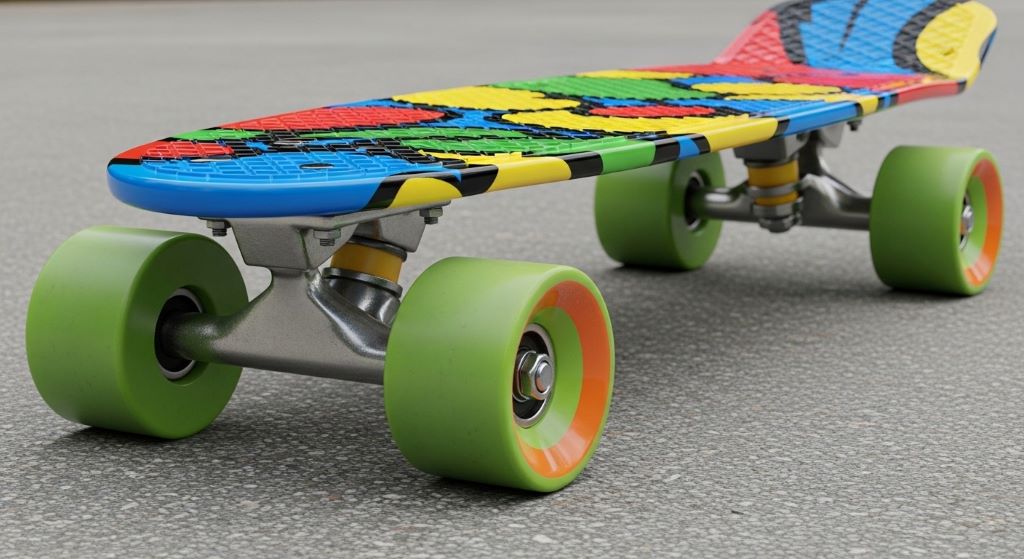
Before you can choose the right board, it helps to understand what each part does. A skateboard has three main components: the deck, the trucks, and the wheels. Each part plays a role in how safe and comfortable the board is to ride.
The deck is the flat wooden board that the child stands on. Decks come in different widths and lengths. Wider decks offer more surface area for the child’s feet, which generally means more stability. For young children, a wider and shorter deck is usually the best starting point.
The trucks are the metal T-shaped pieces attached to the bottom of the deck. They connect the wheels to the board and control turning. Trucks that are too loose make the board hard to control and increase wobbling. Trucks that are too tight make turning difficult. The right balance is crucial for beginners.
The wheels determine how smoothly and quickly the board rolls. Softer wheels absorb bumps better and provide a smoother ride on rough surfaces. Harder wheels are faster but less forgiving on uneven ground. For young children learning on sidewalks and driveways, softer wheels are usually the better choice.
The Right Size Makes All the Difference
Choosing the correct size is one of the most important steps in finding a safe board. A deck that is too wide will be awkward and hard to control. A deck that is too narrow reduces the amount of standing surface, which makes balancing more difficult.
For children between the ages of three and five, a micro deck measuring between 6.5 and 7 inches wide is generally appropriate. Children between five and seven years old typically do well on a mini deck measuring around 7 inches wide. Older children between seven and ten years old can usually handle a mid-size deck between 7.25 and 7.5 inches wide.
These are general guidelines rather than strict rules. Every child is different, and foot size matters too. A good way to judge fit is to have the child stand on the board. Their feet should fit comfortably on the deck without hanging too far over the edges.
The length of the board also matters. Shorter boards are easier for young children to maneuver and carry. They are lighter and feel less intimidating for beginners who are still finding their footing.
What to Look for When Evaluating Kids Skateboard Safety
When shopping for a child’s first board, kids skateboard safety should be the top priority. There are several specific features to look for that can significantly reduce the risk of injury.
First, check the quality of the materials. The deck should be made from maple wood, which is the industry standard for durability. Decks made from cheaper materials can crack or split unexpectedly, which is dangerous. Press down on the deck to check its stiffness. A quality deck should feel solid with no flex in the middle.
Next, examine the wheels. They should spin freely and smoothly. Give each wheel a flick and watch it spin. It should rotate for several seconds without wobbling. Wobbly or slow-spinning wheels indicate poor quality bearings, which can cause the board to behave unpredictably.
Check all the hardware to ensure nothing is loose. Bolts should be tight, and the trucks should be firmly attached to the deck. Run your hand along the underside of the board to check for anything sharp that could injure a child if they fall and slide.
Look for boards that have been safety tested and certified. Some manufacturers voluntarily have their products tested by independent organizations. This testing checks for things like toxic materials, structural integrity, and overall quality. Boards with certifications give parents greater peace of mind.
Finding Stable Skateboards Built for Beginners
For beginners, stable skateboards are far more important than flashy designs or trendy features. Stability helps children learn faster and reduces the chance of unexpected falls during those early lessons.
Several features contribute to stability in a beginner’s board. A wider deck provides more room for the child’s feet. This extra space allows them to find a comfortable stance more easily. Wide trucks that match the width of the deck also add stability by creating a balanced base.
Lower trucks reduce the center of gravity. A lower center of gravity makes the board feel more grounded and easier to control. This design detail might seem minor, but it makes a noticeable difference for young learners.
Some boards designed for children come with a nose kick that is less pronounced than on standard skateboards. This design reduces the risk of the child accidentally flipping the board when they step on the tail. For a young beginner, this is a genuinely helpful safety feature.
Therefore, when evaluating boards, prioritize stability features over aesthetics. A plain board with excellent stability is far more valuable than a colorful board with poor balance characteristics.
Complete Boards vs. Custom Builds
When buying for a young child, you’ll need to decide between purchasing a complete skateboard and building a custom setup. Each approach has advantages and disadvantages.
A complete skateboard comes with everything already assembled. These boards are convenient and often more affordable. Many reputable brands offer complete boards specifically designed for children. The components are matched and balanced for the rider’s size and skill level. For most parents buying a first board, a quality complete skateboard is the practical choice.
Building a custom setup allows you to select each component individually. This approach works well if you have specific knowledge about skateboarding and want to optimize the setup for your child. However, it requires more research and usually costs more. For a first board, a quality complete setup is typically the better starting point.
If you do choose a complete board, buy from a recognized skate brand rather than a generic toy store. Brands like Enjoi, Powell Peralta, and Santa Cruz offer youth-sized complete boards that use quality components. The price difference between a quality board and a cheap imitation is usually modest, but the safety difference can be significant.
Essential Safety Gear to Pair with the Board
Finding the right skateboard is only half of the safety equation. Protective gear is equally important. No matter how good the board is, falls are part of learning. The right gear minimizes the risk of serious injury when falls happen.
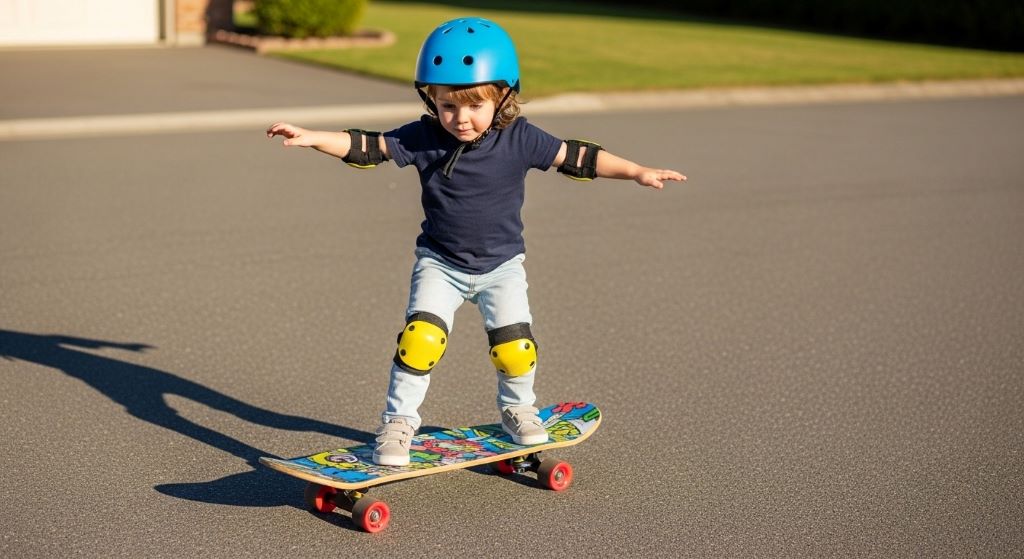
A properly fitted helmet is absolutely non-negotiable. Look for helmets certified by safety standards such as ASTM or CPSC. Multi-sport helmets work well for skateboarding. Make sure the helmet sits level on the child’s head with about two finger-widths above the eyebrows. Straps should form a V shape under each ear and fasten snugly under the chin.
Knee pads protect one of the most vulnerable areas during a fall. Children naturally fall forward, and landing on unprotected knees can cause painful scrapes and serious injuries. Choose knee pads with a hard outer shell and comfortable padding inside.
Elbow pads provide similar protection for the arms. Young children often instinctively put their hands out when they fall. Wrist guards can prevent fractures in these situations. A complete set of pads may feel like a lot of gear, but children adjust quickly and often stop noticing them.
Wearing proper footwear also matters. Closed-toe shoes with flat, grippy soles help children maintain contact with the deck. Sandals, flip-flops, and bare feet significantly increase the risk of injury while skateboarding.
The Best Surfaces for Learning to Skate
Even with the perfect board and all the right gear, the learning environment matters. Young children should start on smooth, flat surfaces. Driveways, empty parking lots, and smooth pathways are ideal.
Avoid starting on rough pavement or concrete with cracks and uneven joints. These surfaces make balancing much harder and increase the chance of the board stopping suddenly. A smooth surface allows the child to focus on balancing rather than fighting the terrain.
Skateparks can be intimidating for young beginners. If you do visit one, go during quieter hours to avoid collisions with faster, more experienced skaters. Many skateparks have beginner zones that are perfect for younger children taking their first steps.
Grass is surprisingly useful for the very first lessons. Placing the board on a patch of firm grass slows the wheels down significantly. This gives the child a chance to practice standing and shifting their weight without the board rolling away. Once they feel comfortable standing on the board, move to a smooth hard surface.
Teaching Your Child to Fall Safely
Falling is inevitable in skateboarding. Teaching your child how to fall correctly is one of the most valuable skills you can give them. Knowing how to fall reduces the risk of serious injury significantly.
The most important rule is to avoid stiffening up when falling. Rigid bodies absorb impact poorly. Teach your child to bend their knees slightly and try to roll with the fall rather than fighting it. Practicing this technique on soft grass before riding helps children internalize the motion.
Teach children to avoid putting their hands straight out to catch themselves. While this instinct is natural, landing with stiff arms can cause wrist fractures. Wrist guards help protect against this, but learning to tuck and roll is a better long-term strategy.
Watching short videos together of professional skaters falling safely can help children understand and mimic the technique. Frame falling as a skill rather than something to fear. This positive approach helps children stay calm and react better when falls happen.
Where to Buy a Quality Children’s Skateboard
Where you buy the board matters as much as what you buy. Specialty skate shops are the best place to start. Staff at these stores typically have skating experience and can offer specific advice for your child’s age and size. They can also help you assess whether a board fits correctly.
Online shopping offers more options and often better prices. However, buying online requires more research since you can’t physically check the board before purchasing. Stick to established skate brands and read reviews carefully. Look for feedback from other parents who bought the board for children of similar age.
Avoid buying skateboards from dollar stores, general toy shops, or online marketplaces that sell unbranded boards at very low prices. These boards rarely meet acceptable quality standards and can be genuinely dangerous.
Additionally, secondhand boards from skate shops or reputable sellers can be a cost-effective option. Have an experienced skater inspect any used board before giving it to your child. Check for cracks in the deck, worn-down wheels, and damaged trucks. A well-maintained used board from a quality brand is far better than a brand-new cheap imitation.
Conclusion
Finding the right skateboard for a young child comes down to prioritizing safety, fit, and quality. Start with the correct deck size for your child’s age and foot size. Choose boards made with quality materials, smooth-spinning wheels, and well-fitted trucks. Prioritize stable skateboards designed specifically for beginners, as stability builds confidence and reduces falls during those early lessons.
Remember that the board is only part of the picture. Pairing a good board with proper safety gear, a smooth learning surface, and basic fall techniques creates the safest possible learning environment. Kids skateboard safety depends on all these factors working together.
Buy from reputable skate brands and trusted retailers rather than opting for cheap alternatives. The small additional investment in a quality board pays off in better experiences and fewer injuries. With the right equipment and approach, skateboarding can be a wonderful activity that your child enjoys for many years.
Frequently Asked Questions
What is the best age to start skateboarding?
Most children are ready to begin skateboarding between the ages of three and five, provided they have developed basic balance skills. However, every child develops differently. Watch for signs that your child can balance on one foot for a few seconds and follow basic instructions before introducing a skateboard.
How do I know if a skateboard is the right size for my child?
Have your child stand on the board. Their feet should rest comfortably on the deck without hanging too far over the edges. The board should feel manageable in size and weight. A child who struggles to carry or control the board is likely using one that is too large.
How much should I spend on a child’s first skateboard?
A quality beginner’s board for a child typically costs between fifty and one hundred dollars. Spending less usually means compromising on materials and safety. Spending significantly more is unnecessary for a beginner. Focus on finding a well-reviewed board from a reputable brand within this price range.
Is a helmet enough, or does my child need full protective gear?
A helmet is the minimum requirement, but full protective gear is strongly recommended for young beginners. Knee pads, elbow pads, and wrist guards protect the areas most commonly injured during falls. As children gain experience and confidence, some parents reduce gear for casual riding while maintaining helmets.
How long does a children’s skateboard last?
With regular use, a quality children’s skateboard typically lasts one to three years before components wear out or the child outgrows it. Wheels and bearings often need replacing first. The deck lasts longer if kept dry and stored properly. Check the board regularly for cracks, worn wheels, and loose hardware.
Related Topics:
How Do You Jump on a Skateboard Without an Ollie
Can I Skateboard if I’m Overweight?
No Comments