
17 Apr How to Stop Aggressive Seagulls from Stealing Your Bait While Beach Fishing
Beach fishing is relaxing—until it turns into a battle against seagulls. These seemingly harmless birds can quickly become aggressive, snatching bait right off your line or cooler. It’s frustrating, especially after spending hours planning your fishing day.
If you’ve ever found yourself yelling at a flock of seagulls as they circle your gear, you’re not alone. Many anglers share the same experience, especially during warmer months when seagulls are most active.
Understanding how to protect your bait and gear can save your fishing trip. With some smart tactics and the right tools, you can outsmart even the boldest birds. To make things easier, you can also explore Crazy Fishing Gear for equipment that helps keep bait secure and birds away.
Let’s break down why seagulls behave this way and, more importantly, what you can do to deal with it.
Why Are Seagulls Attracted to Bait?
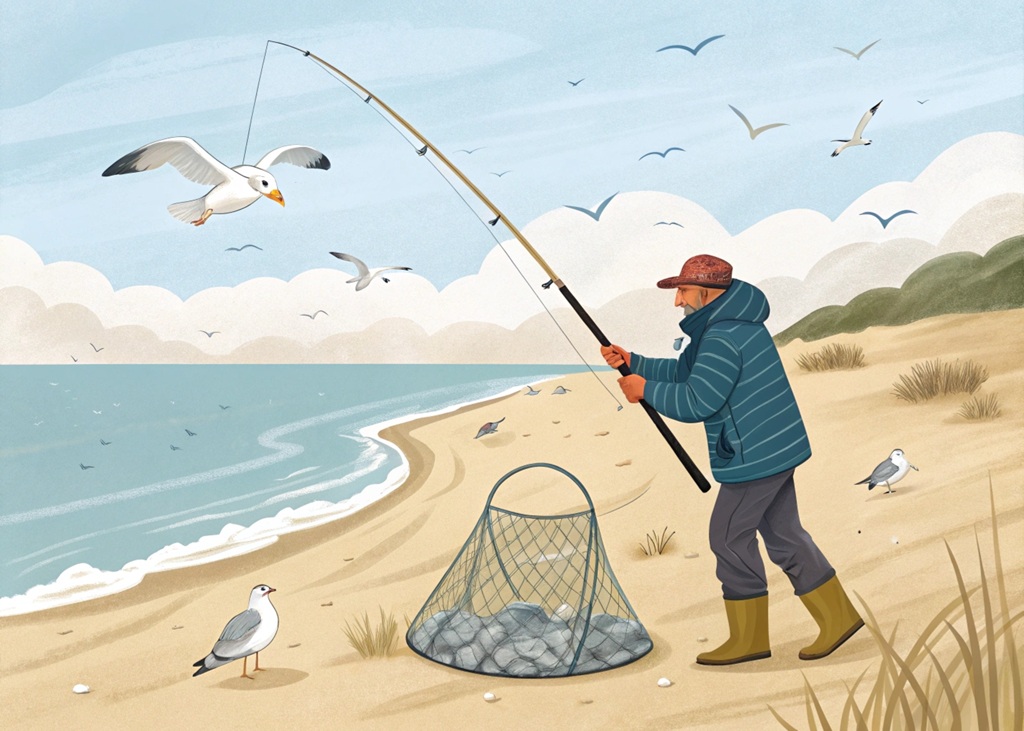
Seagulls are scavengers. They rely on easy food sources, and fishing bait is the perfect snack. Fresh or frozen, it smells strong and draws attention from far away.
When fishing near popular beaches, the problem worsens. Seagulls associate humans with food, especially when tourists feed them. This conditioning makes them bolder around anglers.
They’ve learned to:
- Watch from a distance
- Wait until you’re distracted
- Dive in and grab what they can
According to research published in the journal Animal Behaviour (Kelly et al., 2020), seagulls exhibit “selective boldness”—meaning they observe and choose moments of opportunity rather than act randomly. They’re clever and patient.
You may notice them flying low, circling, or even walking up to your cooler. This isn’t just curiosity—it’s a calculated move.
The challenge increases when fishing with a carry-on fishing pole or minimal gear. Less setup means less protection for your bait, making it an easy target.
Proven Tips to Keep Seagulls Away from Your Bait
To make sure your bait stays safe and your day stays enjoyable, follow these proven tips:
1. Cover Your Bait Properly
Use airtight containers. Avoid leaving bait in plastic bags or open coolers. A locked cooler or bait box with a latch works best.
Why it helps: Seagulls have a keen sense of smell. Locking in the scent reduces the chances of attracting them.
Pro Tip: Use bait bags made from thick, smell-proof materials. These not only contain the scent but also prevent visual detection.
2. Set Up a Fishing Umbrella or Canopy
Seagulls don’t like confined or shaded spaces. An overhead barrier discourages them from swooping down directly.
Advantages:
- Creates visual blockage
- Makes bait and cooler less visible
- Adds shade for your comfort
Make sure the umbrella is firmly anchored, especially on windy days. It should cover your bait area completely.
3. Never Feed Seagulls
This might seem obvious, but many fishers and beachgoers feed seagulls without thinking. Once fed, they stay close and bring more with them.
Important Reminder:
Even tossing scraps from your sandwich can teach them you’re a food source. Avoid it completely.
According to the UK-based RSPB (Royal Society for the Protection of Birds), feeding wild birds at beaches contributes directly to behavioral shifts like aggression and theft.
4. Use Decoys or Scare Tools
Just like scarecrows in fields, visual deterrents can keep birds away. Try the following:
- Owl or hawk decoys: Place near your bait
- Reflective streamers or CDs: The light reflection confuses birds
- Fishing line trap: A simple grid of fishing line a few feet above ground can block flight paths
These tools don’t harm the birds but deter them enough to move on.
Personal Experience:
Once, I brought an inflatable owl to my local beach in Florida. Within 15 minutes, the seagulls that had been circling flew off and didn’t return for hours. It’s a cheap but effective trick.
5. Time Your Bait Setup
Seagulls are most active mid-morning to early afternoon. Plan your baiting and casting earlier or later in the day.
Benefits:
- Fewer birds mean less stress
- You can fish more peacefully
- Less bait loss, more bites
Also, avoid leaving your bait out for long periods. Prepare only what you’ll need in the next 15 minutes. Keep the rest sealed.
6. Keep Moving If Gulls Persist
Some seagulls are more aggressive due to past feeding experiences. If a group keeps returning no matter what you do, consider relocating a short distance down the beach.
Key Signs You Should Move:
- Loud calling
- Landing near your gear repeatedly
- Multiple attempts at bait snatching
Just 100 yards down the beach could make a big difference, especially if fewer people are around. Seagulls often cluster where there’s consistent human traffic.
7. Educate Fellow Beachgoers
Sometimes, the issue isn’t you—it’s others nearby feeding birds. A quick, friendly conversation can help.
Say something like:
“Hey, just a heads-up—feeding those gulls can ruin everyone’s fishing. They keep stealing bait afterward.”
Most people don’t realize the impact until it’s pointed out. If needed, talk to beach staff or rangers. Many beaches have posted signs discouraging bird feeding.
How to Handle a Seagull That Steals Your Catch
In the rare case a seagull flies off with your bait or fish:
- Don’t chase or throw objects
- Let it go—chances are the hook will dislodge or the line will break
- Notify wildlife staff if you suspect the bird is tangled or injured
According to the U.S. Fish and Wildlife Service, seagulls are protected under the Migratory Bird Treaty Act. That means harming them, even in retaliation, is illegal.
Therefore, the best solution is prevention. Stay calm, and don’t risk breaking the law.
Read More Also: 15 Ways Parents Can Bond with Newborns
Final Thoughts
Seagulls don’t have to ruin your fishing trip. With a few proactive steps, you can outsmart even the boldest bait thieves.
From using umbrellas and decoys to keeping your bait sealed and avoiding feeding gulls, every tactic counts. These simple tips not only protect your gear but ensure a more peaceful experience by the water.
Have you dealt with aggressive seagulls while fishing? Share your story in the comments below or pass this guide to a fellow angler!
Read More Also: What Clothes to Wear in Hawaii: A Complete Guide
FAQs
What attracts seagulls to beach fishing spots?
Seagulls are drawn by the smell of bait, food scraps, and frequent feeding by beachgoers.
Are seagulls dangerous to humans?
Not typically, but they can become aggressive when seeking food. They may swoop down or grab items.
Is it legal to scare away seagulls?
Yes, using non-lethal deterrents like decoys or noise is allowed. Harming them, however, is illegal.
What’s the best time to avoid seagulls when fishing?
Early mornings and late afternoons tend to have fewer seagulls around, especially in cooler months.
Can I fish with minimal gear and still avoid seagulls?
Yes, but you need to be extra careful. Use sealed bait containers and avoid leaving anything exposed.
No Comments